

Custom Utility Pouch Tech Pack Checklist for OEM Buyers

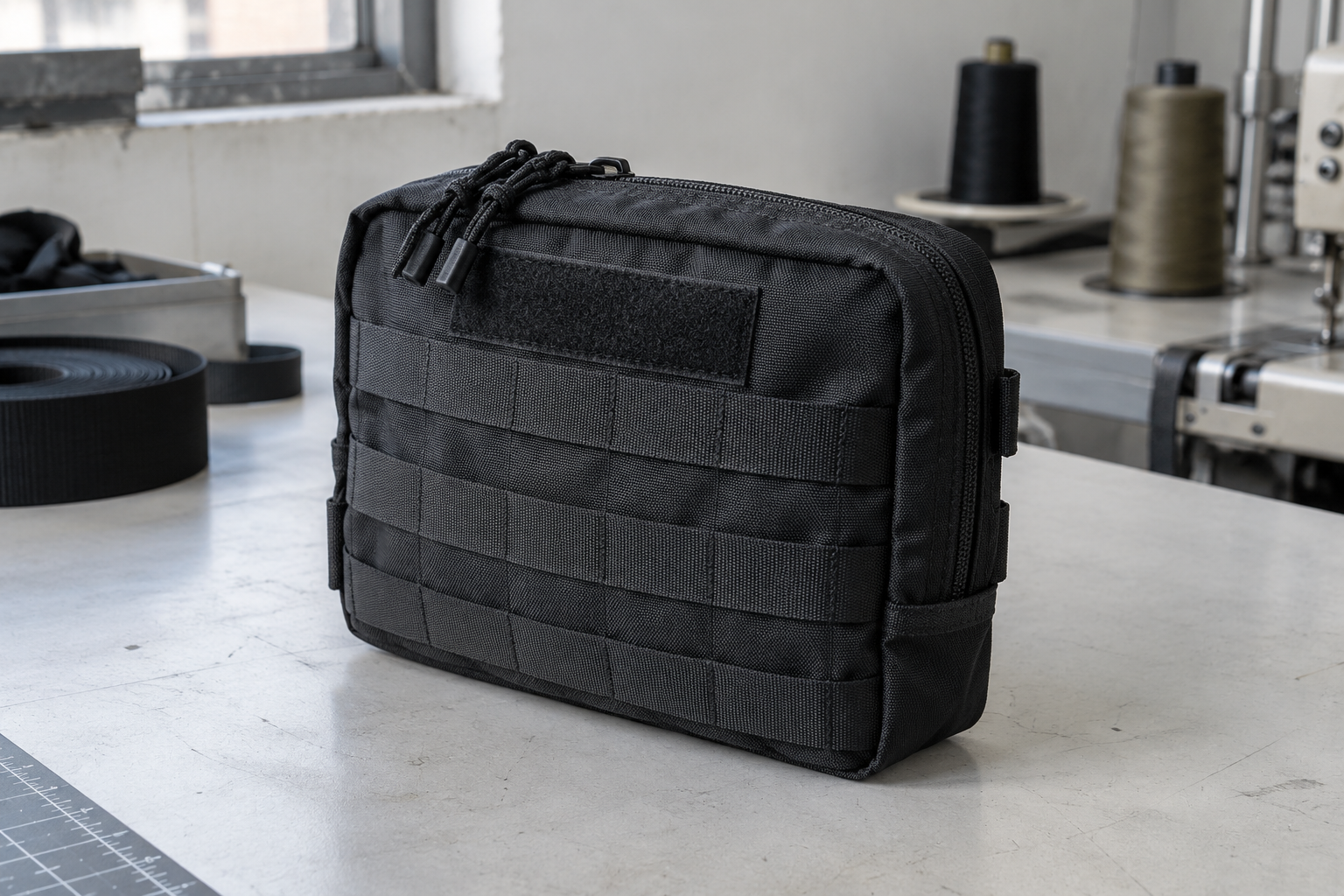
Utility Pouch OEM Tech Pack Guide
A custom utility pouch tech pack checklist helps OEM buyers turn a pouch idea into clear production information before asking for a quote. The goal is to prepare size, fabric, structure, MOLLE or belt attachment, hardware, logo, packaging, sample approval and QC points in a way a factory can actually review.
This page is written for tactical gear brands, importers, distributors and private-label buyers preparing a custom utility pouch RFQ. It should support quotation clarity, sample development and supplier communication instead of acting like a consumer pouch review.
Quick Answer: What Should a Utility Pouch Tech Pack Include?
A practical utility pouch tech pack should include the product type, size, fabric, lining, zipper, hardware, pocket layout, attachment method, logo position, packaging, estimated quantity, sample requirements and inspection points. If a buyer only sends one reference photo, the quotation will usually stay rough because the supplier still has to guess too many details.
Procurement note: this page should own the tech-pack checklist intent only. For pouch style comparison, use the MOLLE pouches for tactical bag sourcing guide. For spacing details, use the MOLLE webbing spacing guide.
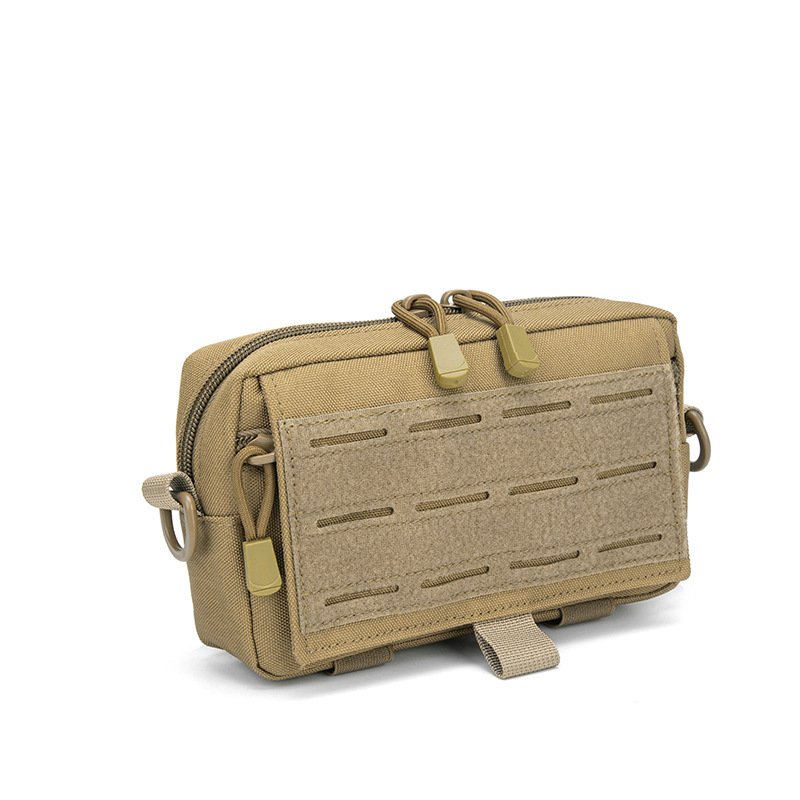
Why a Tech Pack Matters Before a Factory Quote
In custom utility pouch manufacturing, many delays begin before production. The buyer may ask for a unit price, but the factory still needs to know the pouch size, material direction, zipper type, webbing layout, internal pockets, label method, packaging requirement and expected quantity.
A tech pack does not have to be complicated. It simply needs to be clear enough for the supplier to review whether the pouch can be sampled, what materials may be suitable, which details affect cost and what information is still missing before a reliable quotation.
Custom Utility Pouch Tech Pack Checklist
Use this checklist before sending an OEM utility pouch inquiry. It helps keep the discussion focused on real production decisions rather than vague words like “heavy duty”, “premium” or “tactical style” without specifications.
| Tech Pack Section | What to Prepare | Why It Matters for Quotation |
|---|---|---|
| Project information | Product name, target market, estimated quantity, sales channel and expected sample window. | Helps the supplier understand whether the project is a small sample review, private-label program or repeat bulk order plan. |
| Product dimensions | Width, height, depth, tolerance, pocket size, flap size, opening direction and reference item size. | Small measurement changes affect fabric use, cutting, stitching time, packaging and final price. |
| Fabric and lining | 500D nylon, 1000D nylon, polyester, canvas, mesh, lining, coating, reinforcement panels or target hand feel. | Material choice affects durability, weight, appearance, MOQ discussion, sample cost and bulk consistency. |
| Zipper and hardware | Zipper size, zipper puller, buckle, D-ring, snap button, cord lock, elastic, binding tape and color matching. | Hardware choices can change user experience, supplier availability, sampling time and unit cost. |
| Internal layout | Elastic loops, mesh pocket, divider, sleeve, organizer panel, label position and tool-specific storage. | Internal structure often separates a generic pouch from a useful product for a defined buyer channel. |
| Carry or attachment | Belt loop, MOLLE straps, clip attachment, rear webbing panel, shoulder strap, handle or removable strap. | The attachment method affects reinforcement, stitching position and compatibility with bags, belts or plate carriers. |
| Logo and private label | Woven label, rubber patch, embroidery, heat transfer, hang tag, barcode sticker and carton mark. | Branding details should be reviewed early because logo method, position and materials may affect sampling. |
| Packaging | Polybag, insert card, hang tag, retail box, barcode label, carton mark and master carton notes. | Packaging changes unit cost, carton planning and retail readiness. It should not be left until the end. |
| Sample approval | Reference sample, prototype sample, revision notes, pre-production sample and final approval standard. | A clear approval process reduces confusion before bulk production begins. |
| QC checkpoints | Size tolerance, stitching quality, zipper function, color matching, logo position, loose threads and packing accuracy. | Inspection points are easier to discuss before production than after shipment. |
1. Define the Product Type and Use Case
Start by explaining what the pouch is for. A utility pouch may be designed for tactical accessories, tools, travel storage, EDC organization, outdoor kits, medical-adjacent storage or private-label retail sets. The same outside size may need a different internal layout depending on the end use.
If the pouch must attach to a backpack, belt, vest or plate carrier, include that platform in the brief. Attachment compatibility is a production detail, not just a marketing phrase.
2. Provide Size, Shape and Layout Details
Avoid vague phrases such as “medium organizer pouch” or “similar to photo”. A better brief gives the approximate width, height, depth, opening direction, number of compartments and any item that must fit inside.
Example: “220 mm width x 150 mm height x 55 mm depth, front zipper pocket, main compartment with two mesh sleeves and six elastic loops.” The supplier can then review pattern, fabric use and sample feasibility more accurately.
3. Choose Fabric, Webbing and Material Direction
Common pouch materials may include nylon, polyester, canvas, mesh, lining fabric, hook-and-loop panels, elastic webbing and reinforcement layers. If you are unsure whether 500D or 1000D fabric fits your project, review the 500D vs 1000D nylon guide and then confirm the material direction with the actual pouch structure.
Material decisions should match the target use, price level, hand feel and branding direction. A heavy fabric is not automatically better if the pouch needs a softer retail feel or lighter everyday carry positioning.
4. Confirm Zippers, Pullers, Buckles and Hardware
Hardware is one of the most common reasons a quote changes after the first discussion. Include zipper direction, puller style, buckle type, snap button, D-ring, elastic, cord lock, binding tape and color matching requirements where they apply.
If you need a specific hardware brand, submit that requirement clearly. If you only need a functional direction, describe the target feel and let the supplier review available options.
5. Specify Attachment and MOLLE Requirements
Utility pouches may use belt loops, MOLLE straps, rear webbing panels, clips, shoulder straps or removable handles. The attachment method affects reinforcement, stitch placement, pattern design and compatibility with other gear.
For MOLLE-compatible pouches, confirm strap width, row spacing, bartack position and the platform the pouch must attach to. If the pouch is part of a tactical bag line, link the tech pack to the bag’s layout so both products work together.
6. Prepare Logo, Label and Packaging Details
Private-label details should be included from the start. Common options include woven labels, rubber patches, embroidery, heat transfer logos, hang tags, barcode stickers, insert cards, polybags and carton marks. The best option depends on the pouch material, target market and order plan.
For broader customization planning, review custom materials and hardware before finalizing the RFQ. This helps keep material, branding and packaging decisions connected.
7. Plan Sample Approval and QC Points
A custom pouch project may start with a reference review, prototype sample, revision sample or pre-production sample depending on the project scope. Buyers should define what needs approval: outside size, internal layout, stitching, webbing alignment, zipper function, logo position and packaging.
QC standards should be written as practical inspection points. For related pre-shipment thinking, see the tactical gear QC checklist before shipment.
How PANOAR Reviews a Custom Utility Pouch RFQ
PANOAR can review OEM/ODM pouch requirements based on the buyer’s product brief, reference photos, drawing, current sample, material direction, branding needs, packaging notes and estimated quantity. The useful first step is not a loose “best price” request, but a clear project review.
When a buyer sends enough information, PANOAR can discuss sample direction, pouch structure, material and hardware options, attachment details, logo method and RFQ information before quotation. If something important is missing, it should be confirmed before sample development.
This keeps the article from only warning buyers about supplier problems. The checklist gives buyers a practical path, and the next step is to send those details through OEM/ODM manufacturing or the RFQ page.
RFQ Email Template for Custom Utility Pouches
Buyers can copy this structure when requesting a quote. Replace empty fields with confirmed details, and attach reference photos, drawings, logos or a current sample if available.
OEM Supplier Comparison Scorecard
Use this scorecard when comparing suppliers. It should not replace sample review, but it helps buyers judge whether a supplier is asking the right technical questions before quoting.
| Evaluation Point | Questions to Ask | Score |
|---|---|---|
| Relevant pouch experience | Has the supplier reviewed or produced similar utility pouch structures before? | 1-5 |
| Material knowledge | Can they explain fabric, lining, zipper, webbing and hardware options clearly? | 1-5 |
| Sample development | Can they turn a reference photo, sample or tech pack into a practical prototype? | 1-5 |
| Private-label review | Can they discuss labels, patches, hang tags, barcode stickers and carton marks before sampling? | 1-5 |
| Technical communication | Do they ask useful questions about dimensions, hardware, attachment and packaging? | 1-5 |
| QC planning | Can they define inspection points before bulk production begins? | 1-5 |
FAQ
What should be included in a custom utility pouch tech pack?
A utility pouch tech pack should include size, fabric, zipper, hardware, internal layout, attachment method, logo details, packaging, estimated quantity, sample requirements and QC checkpoints.
Can I request a quote without a complete tech pack?
Yes. A buyer can start with reference photos, target size, quantity, material preference and logo requirements. A more complete tech pack usually helps the supplier review feasibility and pricing more accurately.
What affects MOQ for custom utility pouches?
MOQ can be affected by fabric availability, custom color, logo method, hardware selection, packaging and production complexity. It should be confirmed based on the actual project scope.
Can PANOAR review private-label utility pouch requirements?
Yes. Buyers can send pouch references, target size, material direction, estimated quantity, logo artwork and packaging notes. PANOAR can review OEM/ODM feasibility and RFQ information before quotation.
Preparing a Custom Utility Pouch Project?
Send PANOAR your pouch size, estimated quantity, material preference, attachment method, logo plan, packaging requirement and reference images. The team can review your brief and discuss the next step for OEM/ODM quotation.
Request an OEM Quote
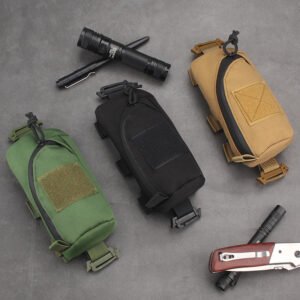
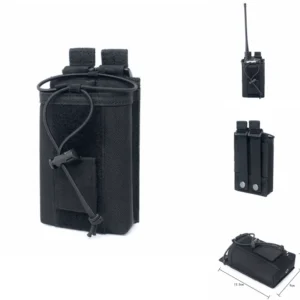

[…] Custom Utility Pouch Tech Pack Checklist for a related soft-goods specification workflow. […]