
Tactical Gear QC Checklist Before Shipment: What B2B Buyers Should Confirm

Tactical Gear QC Checklist Before Shipment: What B2B Buyers Should Confirm
A practical pre-shipment quality control guide for importers, tactical gear brands, distributors, and OEM buyers checking bulk orders before final payment and delivery.
Why a Tactical Gear QC Checklist Matters Before Final Shipment
Tactical gear buyers often focus first on quotation, sample approval, and delivery time. But bulk shipment quality is what determines whether the order can be sold confidently after arrival. A factory can produce a visually good sample and still miss small but expensive issues in mass production: incorrect webbing spacing, weak bartacks, wrong zipper pullers, mixed labels, or cartons packed with the wrong size ratio.
For brands working with a China OEM tactical gear manufacturer, the best approach is to confirm the inspection framework before production ends. That way, quality control becomes part of the process, not an argument after the goods are already boxed and booked for shipment.
Quick QC Snapshot by Inspection Stage
| Inspection Stage | Main Focus | What Buyers Should Verify |
|---|---|---|
| Material Check | Fabric, webbing, trim, foam, hardware | Correct material type, color tone, thickness, and approved component match |
| In-Line Sewing Check | Construction consistency | Seam quality, bartack placement, binding finish, panel alignment |
| Finished Product Check | Function and appearance | Measurements, zipper action, buckle fit, MOLLE alignment, logo placement |
| Packing Check | Labels, carton marks, quantity ratio | SKU labeling, barcode, carton quantity, polybag, and outer carton consistency |
1. Check Material Consistency Against the Approved Sample
The first part of any tactical gear QC checklist is material confirmation. This step should happen before the buyer focuses on sewing quality, because even perfect stitching cannot fix the wrong fabric or trim. For example, a tactical pouch approved in one nylon weight can feel entirely different if the bulk order uses a softer or thinner substitute.
2. Inspect Sewing Quality and Structural Reinforcement
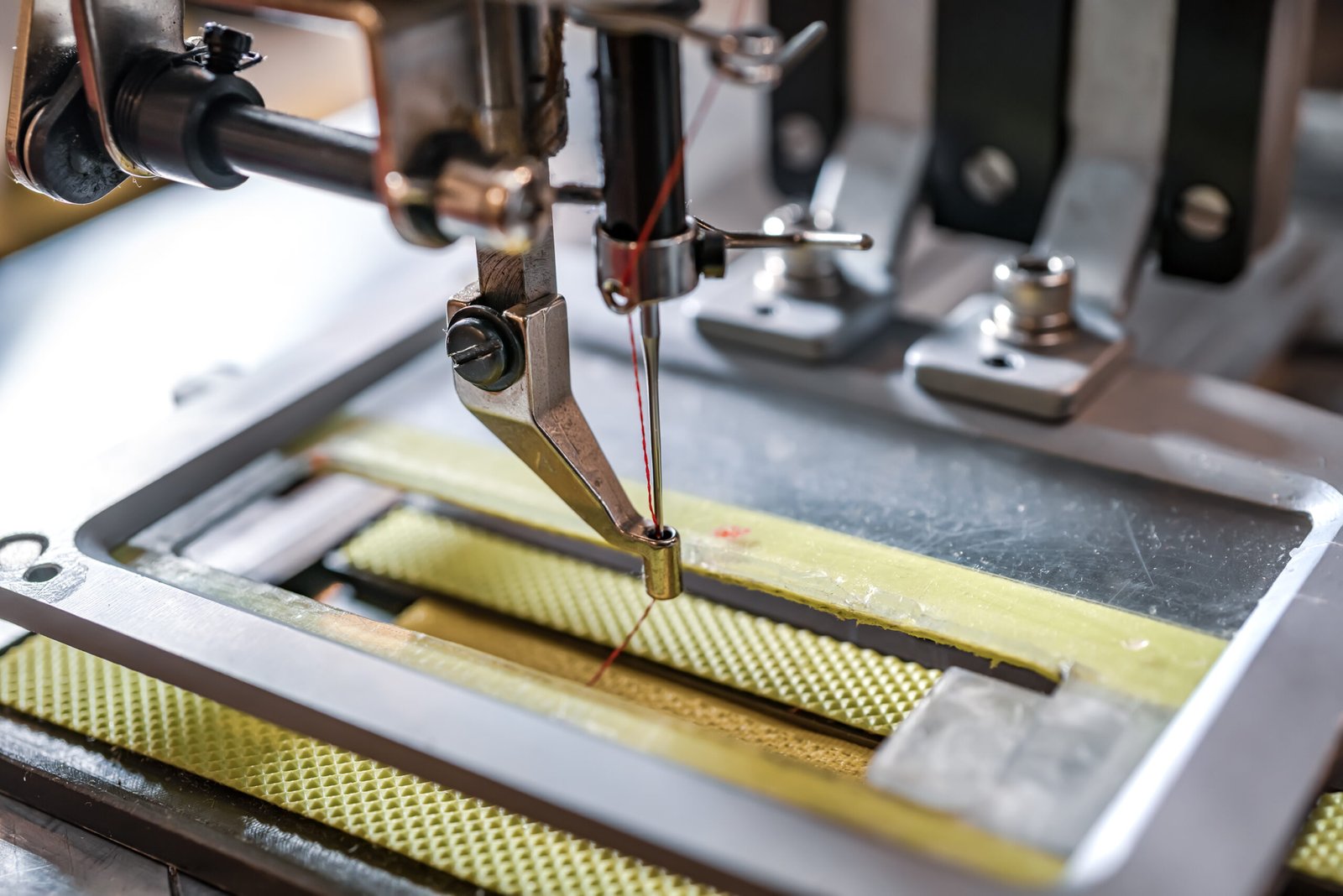
Tactical gear is judged heavily by stitching discipline. Buyers do not need to inspect every seam on every unit, but they should sample enough pieces to spot construction drift before final packing. This is especially important on custom tactical backpacks, admin pouches, utility pouches, belts, and harness-based K9 products where load-bearing points matter more.
| QC Point | Why It Matters | Common Failure |
|---|---|---|
| Stitch density | Keeps panels strong and visually consistent | Loose lines, skipped stitches, irregular tension |
| Bartack placement | Protects stress zones such as handles and webbing ends | Missing bartacks, weak reinforcement, crooked placement |
| Edge binding | Controls finish quality and long-term wear | Twisted tape, exposed raw edges, inconsistent fold |
| Symmetry and shape | Makes the product look professional at retail and in use | Uneven pocket height, distorted front panel, poor body balance |
3. Confirm Functional Details on the Finished Product
Once product construction is complete, functional checks become the most buyer-visible part of quality control. This step should include measurement checks, component operation, logo review, and modular compatibility where relevant.
For more customization-sensitive products, buyers should also compare the shipment against the original development brief or tech pack checklist to confirm no detail shifted during production.
Pre-Shipment Tactical Gear QC Checklist
- Confirm all shell fabrics, webbing, hook-and-loop, and hardware match the approved sample.
- Check random units for stitch quality, bartacks, edge binding, and shape consistency.
- Verify key measurements against the approved specification sheet or sample.
- Inspect MOLLE spacing, zipper operation, buckle fit, and compression strap function.
- Confirm logo patches, labels, hangtags, and barcode details are correct.
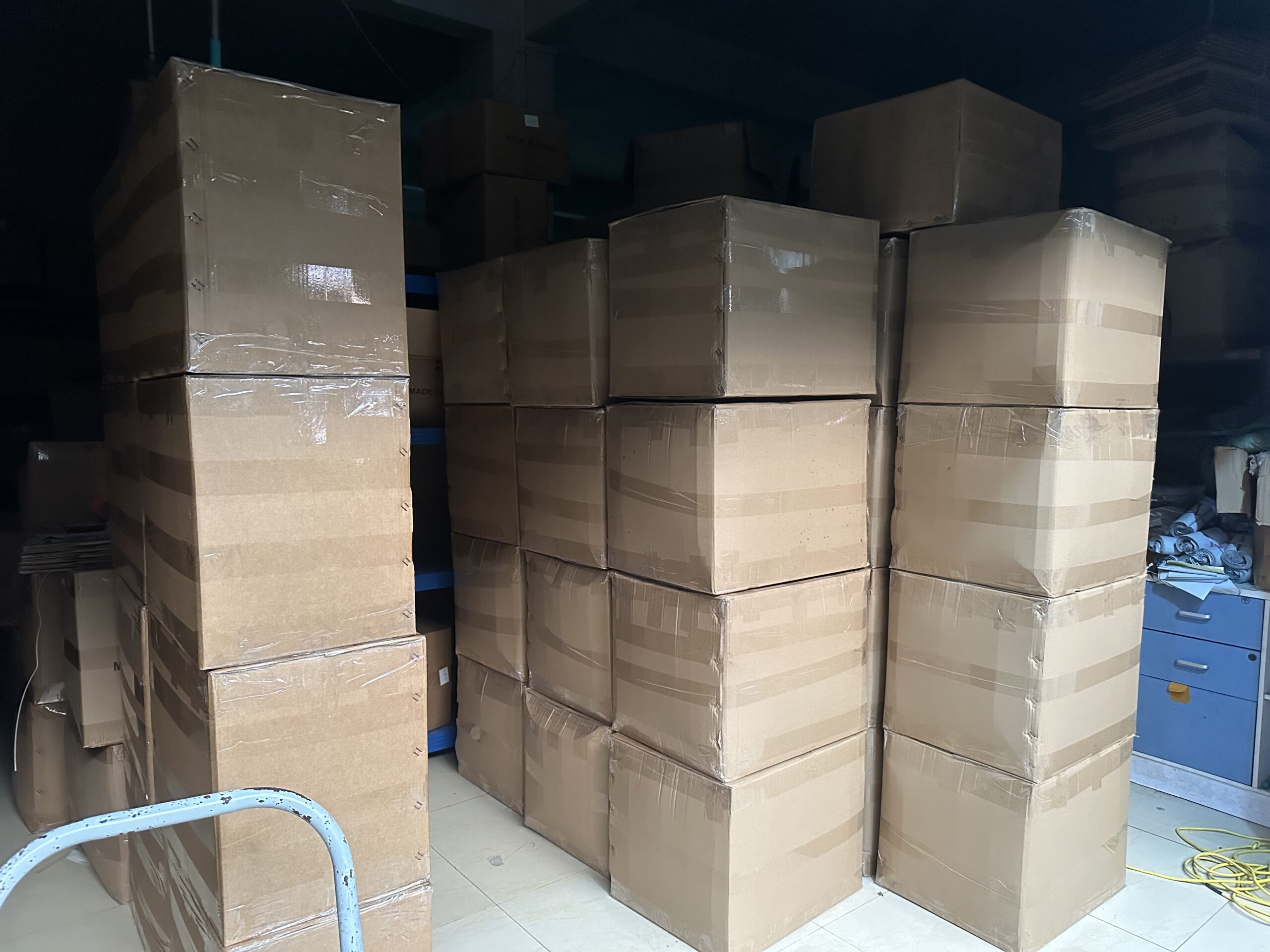
- Review polybag packing, quantity ratio, carton marks, and master carton condition.
- Request final bulk photos or video references before shipment release.
4. Packing and Carton Checks Are Part of Quality Control Too
Many tactical gear orders pass product inspection and still create problems at the final stage because packing details are wrong. For B2B buyers, this can affect warehouse intake, retailer compliance, barcode handling, and damage claims after delivery.
| Packing Area | What to Confirm | Why It Matters |
|---|---|---|
| Polybag / inner packing | Correct bag style, warning mark, insert card, and fold direction | Protects presentation and supports retailer intake standards |
| SKU label | Correct product code, color, size, barcode, and destination data | Avoids receiving and fulfillment mistakes |
| Carton quantity | Correct units per carton and size/color ratio | Prevents inventory distortion on arrival |
| Outer carton | Carton mark, print accuracy, sealing quality, and carton strength | Reduces transit damage and logistics confusion |
5. What Smart Buyers Ask the Factory Before Release
The strongest buyers do not wait until the goods are already moving. Before approving final shipment, ask the factory for a short final confirmation package: finished product photos, carton photos, label close-ups, quantity summary, and any inspection notes from the line or final packing stage.
This is also the right time to confirm the reorder record. If your supplier can document fabric lot, trim set, color standard, and packing format clearly, it becomes much easier to repeat the same quality level on the next order. That is especially important for growing programs where brand consistency and factory communication matter as much as the first shipment itself.
Related Guides for OEM Tactical Gear Buyers
Need a Factory That Understands Tactical Gear QC?
PANOAR supports OEM and ODM production for tactical backpacks, MOLLE pouches, belts, vests, and K9 gear with factory-side inspection, packing review, and export-oriented communication. Send your product brief, target quantity, and packaging request to get a practical production quote.
Frequently Asked Questions
This guide is for B2B sourcing and factory inspection planning. Final quality standards can vary by product type, specification, and customer requirement.