

MOLLE Pouches for Tactical Bag Sourcing Guide
Learn how to choose the best MOLLE pouches for tactical bag programs, with material specs, OEM options, MOQ strategy, and sourcing tips for B2B buyers.

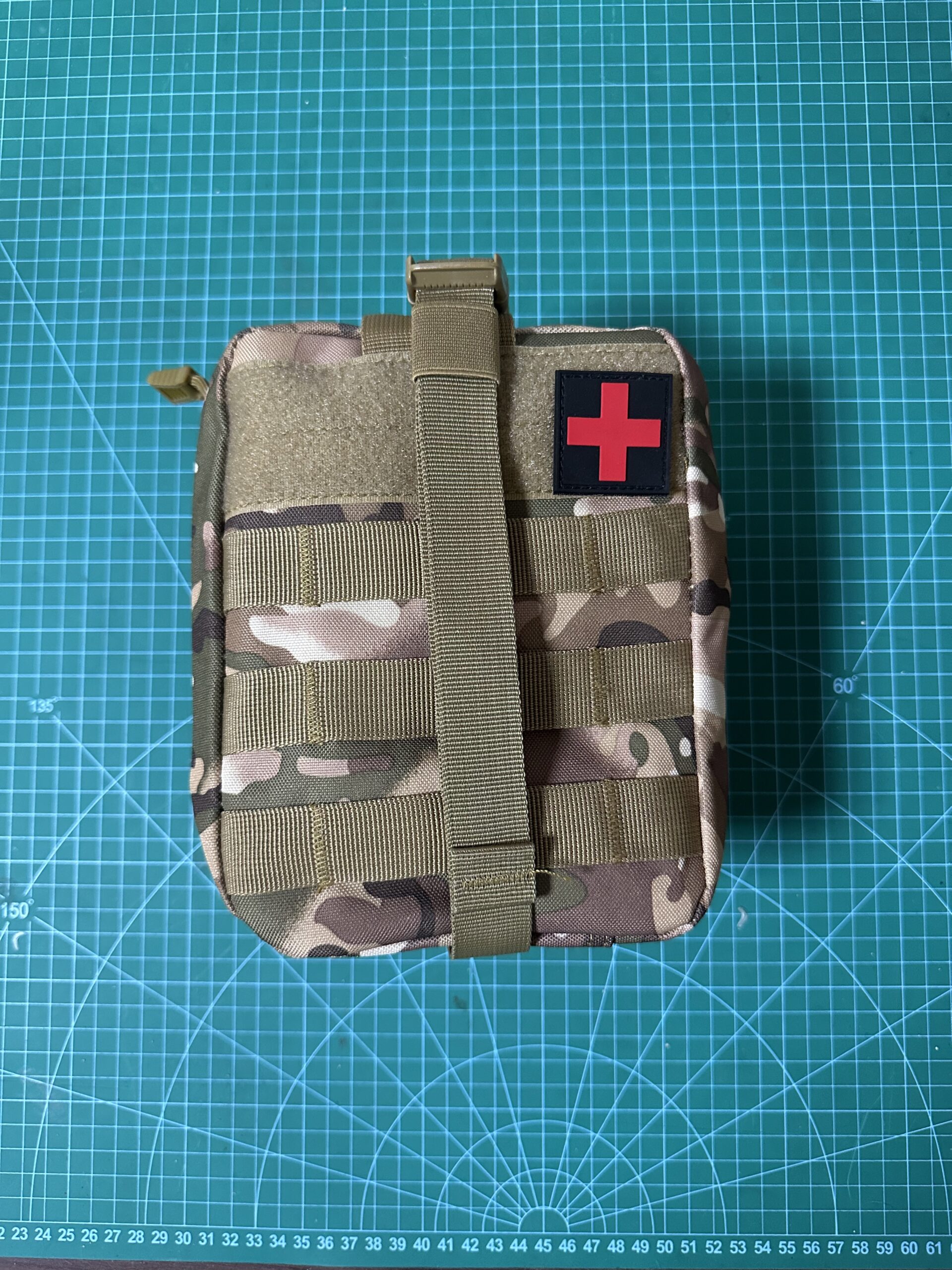
MOLLE Pouch OEM Buyer Guide
MOLLE pouches for tactical bag programs should be selected by product role, attachment layout, material choice, SKU planning and RFQ clarity. For B2B buyers, the question is not simply which pouch looks best, but which pouch type can fit the bag line, pass sample review and stay repeatable in bulk orders.
This guide is written for tactical gear brands, importers, distributors and private-label buyers comparing utility pouches, dump pouches, magazine pouches and IFAK-style pouches before requesting OEM or wholesale pricing.
Quick Answer: Which MOLLE Pouches Fit a Tactical Bag Line?
The strongest starting point is usually a small pouch matrix, not a long list of unrelated accessories. A tactical backpack or sling bag line often needs one compact utility pouch, one expansion or dump pouch, one medical or IFAK-style pouch, and optional magazine or radio pouches depending on the buyer’s channel.
Procurement note: treat this as a sourcing filter, not a consumer ranking. The goal is to decide which pouch types deserve sample development, which specifications affect quotation, and what information should be sent before requesting a bulk price.
Start With Use Case, Not a Generic Best Pouch List
A pouch that sells well in one channel may not fit another. Outdoor retailers may care more about colorways, simple organization and packaging. Tactical brands may focus on MOLLE compatibility, webbing quality, zipper access and repeat-order consistency. Security or medical-related buyers may need a clearer separation between general utility pouches and medical pouch structures.
Before comparing price, buyers should decide whether the pouch is meant to be a standalone product, an add-on for a tactical backpack, a belt accessory, or part of a wider modular gear system. That decision affects pouch size, attachment method, fabric direction, logo placement, packaging and the RFQ details a supplier needs.
MOLLE Pouch Type Comparison for B2B Buyers
Use the table below to decide which pouch family should be developed first. It keeps the page focused on sourcing decisions instead of consumer-style product rankings.
| Pouch Type | Best Fit for Tactical Bag Programs | Buyer Checks Before RFQ | Relevant PANOAR Page |
|---|---|---|---|
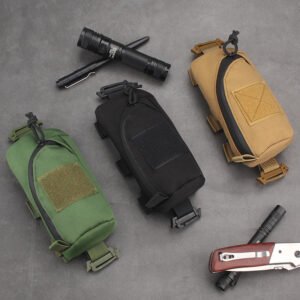
| Utility / admin pouch | General add-on pouch for EDC, organizers, tools, cables and small accessories. | Check dimensions, divider layout, zipper direction, puller style, logo area and attachment straps. | Pouches & Attachments |
| Dump pouch | Foldable storage pouch for range, training, belt or pack accessory programs. | Check opening stiffness, foldable closure, drawcord, belt/MOLLE attachment and packed size. | Utility & Dump Pouches |
| Magazine / ammo pouch | Channel-specific pouch for tactical equipment sets and load-bearing gear. | Confirm magazine type, retention method, elastic tension, flap design and platform compatibility. | Ammo / Mag Pouches |
| Medical / IFAK pouch | Medical pouch add-on or separate tactical medical product line. | Check access direction, pull handles, patch area, internal organization and whether inserts are required. | Medical Pouches / IFAK |
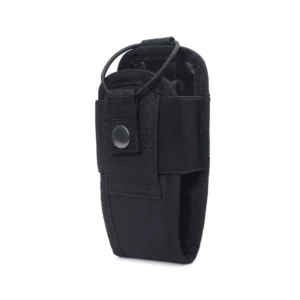
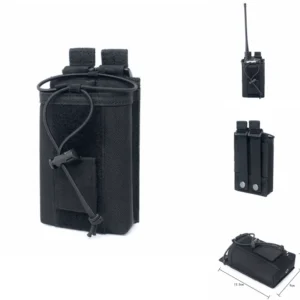
| Radio / bottle / tool pouch | Specialized pouch for a defined device, bottle size or tool set. | Send the target item size, retention method, drain hole requirement and use scenario. | Medical & Survival |
Materials and Attachment Details That Affect Bulk Orders
Material choice should follow the pouch’s duty level and target price, not a fixed assumption that one fabric is always best. Buyers can discuss fabric weight, coating, lining, mesh, elastic, zipper, buckle, hook-and-loop, puller and binding options with the supplier before sample development.
For MOLLE compatibility, attachment details matter as much as the front shape. Buyers should check strap width, row spacing, bartack position, panel stiffness and whether the pouch attaches smoothly to backpacks, belts, plate carriers or other platforms. For spacing details, see the MOLLE webbing spacing guide.
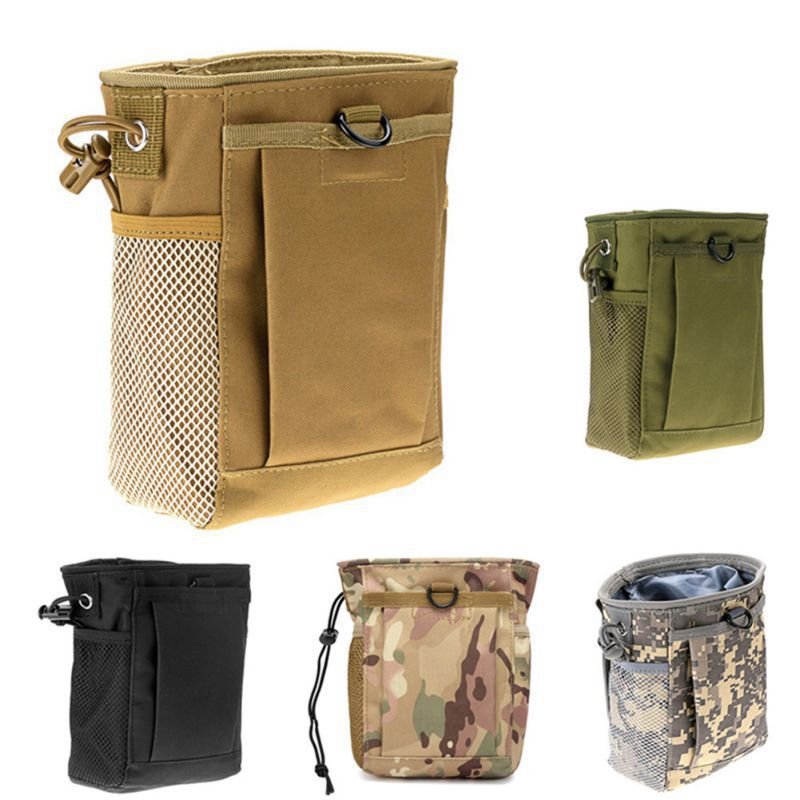
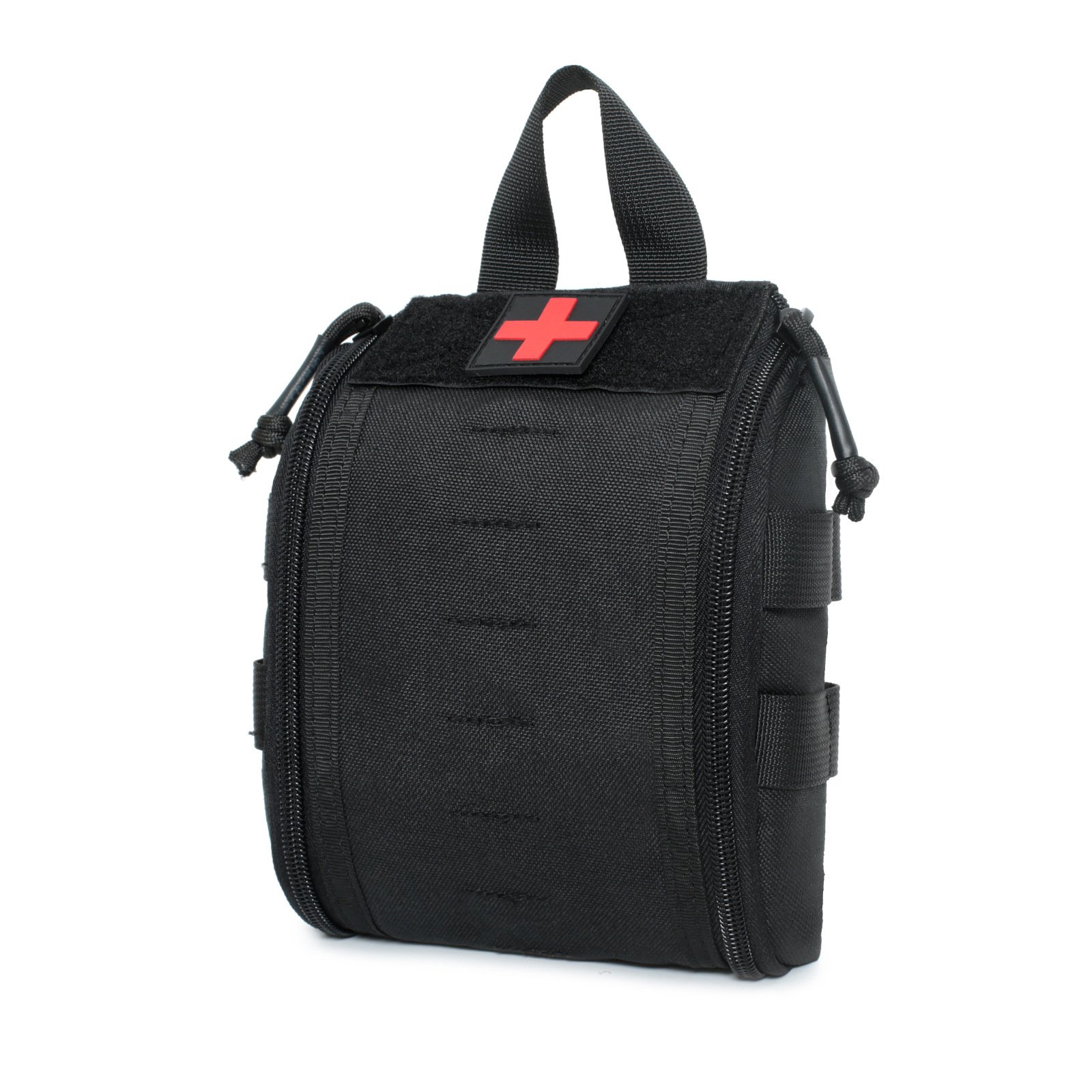
If your RFQ involves special fabric, hardware or logo placement, review custom materials and hardware before finalizing the sample brief. A clearer material direction helps the supplier quote closer to the real product instead of giving a rough number that changes later.
Customization That Helps Without Making SKU Management Messy
For wholesale and private-label pouch projects, customization should support sell-through and repeat ordering. Useful options may include color selection, logo labels, rubber patches, zipper pullers, internal divider changes, packaging direction and product family naming.
The risk is over-customizing too early. If every pouch has different fabric, zipper, patch, packaging and attachment details, quotation and sample review become slower. A cleaner approach is to define one shared pouch standard, then adjust only the visible details that matter to the buyer’s brand.
How PANOAR Supports MOLLE Pouch Buyers
PANOAR is a China-based OEM/ODM tactical soft-goods manufacturer. Product categories include tactical backpacks, tactical and MOLLE pouches, medical pouches, plate carriers, tactical belts and K9 tactical gear. For MOLLE pouch projects, the useful first step is a practical project review, not a generic price request.
Buyers can send a pouch reference, current sample, drawing, target material direction, logo requirement, estimated quantity and destination. PANOAR can review the project scope, sample direction, attachment details, material and hardware choices, packaging requirements and RFQ information before quotation.
This is the bridge between a buyer checklist and a real supplier conversation. If the article tells buyers to check MOLLE spacing, strap placement, material direction and customization, the next step should be sending those details for review through OEM/ODM manufacturing or the RFQ page.
What to Send for a Faster MOLLE Pouch Quote
A serious B2B RFQ should help the supplier understand the product before discussing price. Send the details below when you are sourcing MOLLE pouches for tactical backpacks, duty belts, plate carriers or private-label tactical accessory lines.
- Target pouch type: utility pouch, dump pouch, magazine pouch, IFAK pouch, radio pouch or another defined style.
- Reference photo, drawing, current sample or tech pack if available.
- Target size, compartment layout, zipper direction, attachment method and opening style.
- Material direction, colorway, webbing, buckle, zipper, mesh, elastic and hook-and-loop requirements.
- Logo and private-label needs, such as woven label, rubber patch, embroidery, printed logo or removable patch.
- Estimated quantity, destination country, packaging requirement and target timeline.
- Whether the pouch must attach to a specific tactical backpack, belt, vest or plate carrier sample.
MOQ and sample planning should be confirmed based on the actual project scope. See MOQ, sample and lead time for the dedicated procurement page before finalizing your order plan.
Planning a Custom MOLLE Pouch or Tactical Bag Accessory Line?
Share your pouch type, reference, customization needs and estimated quantity. PANOAR can review OEM/ODM tactical pouch requirements and help you prepare a clearer quotation discussion.
Related Pages for MOLLE Pouch Sourcing
Use these pages to continue the procurement path from article research to product comparison and RFQ preparation.
- Pouches & Attachments for current wholesale MOLLE pouch and attachment categories.
- Utility & Dump Pouches for utility, admin and dump pouch sourcing.
- Medical Pouches / IFAK for medical pouch and IFAK-style pouch programs.
- Tactical Backpacks if the pouch line must attach to an existing backpack system.
- MOLLE Webbing Spacing Guide for PALS spacing and sample checking details.
- Request for Quote when your pouch type, material direction and quantity plan are ready.
Conclusion
The best MOLLE pouches for tactical bag sourcing are not chosen by style alone. B2B buyers should compare pouch type, use case, material direction, attachment method, customization scope, sample review and RFQ information before starting bulk production.
A focused pouch matrix gives a tactical gear brand or distributor a cleaner path: choose the pouch families that fit the product line, confirm samples, control SKU complexity and send a complete RFQ for review.
FAQ
What are the best MOLLE pouches for tactical bag sourcing?
For B2B sourcing, the best starting set often includes a utility pouch, a dump pouch, a medical or IFAK-style pouch, and optional magazine or radio pouches depending on the buyer’s channel. The right choice depends on use case, attachment method, material and SKU plan.
What should B2B buyers check before ordering MOLLE pouches?
Buyers should check pouch size, fabric direction, zipper access, MOLLE strap layout, webbing spacing, bartack placement, logo method, packaging requirement and compatibility with the target backpack, belt, vest or plate carrier.
Can MOLLE pouches be customized for private label?
Yes. Private-label details can include color, logo label, rubber patch, zipper puller, packaging and limited structural changes. Buyers should keep the core product specification stable before expanding into too many SKU variations.
Should buyers start with utility, dump, magazine or IFAK pouches?
Start with the pouch type that matches your main sales channel. Utility pouches work for broad accessory lines, dump pouches fit range or belt programs, magazine pouches need clearer retention details, and IFAK pouches should be handled as a medical pouch program.
What information should I send for a MOLLE pouch quote?
Send the pouch type, reference photo or sample, target size, material direction, attachment method, logo requirement, estimated quantity, packaging needs, destination country and target timeline. This helps the supplier review feasibility before quoting.
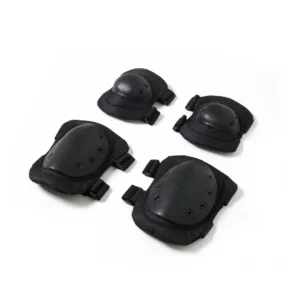

[…] note: this page should own the tech-pack checklist intent only. For pouch style comparison, use the MOLLE pouches for tactical bag sourcing guide. For spacing details, use the MOLLE webbing spacing […]