

500D vs. 1000D Nylon: Which is Best for Your Custom Tactical Backpack Line?

Tactical Backpack Material Guide
500D vs 1000D Nylon for Tactical Backpack OEM Manufacturing
Choosing between 500D and 1000D nylon is not only a fabric question. For tactical backpack OEM projects, the decision affects weight, abrasion resistance, sewing difficulty, material cost, sample approval, and how the finished pack feels to the end user.
If you are developing a private-label tactical backpack, duty bag, range pack, MOLLE backpack, or outdoor gear line, confirm the fabric direction before sampling. A small material decision at the beginning can change the structure, padding, webbing tension, packing weight, and final price.
Quick Answer: Which Fabric Should Buyers Choose?
There is no single best fabric for every tactical backpack. 500D nylon is often chosen when the buyer wants a lighter pack, better flexibility, and a cleaner carry feel. 1000D nylon is often chosen when abrasion resistance, rugged hand feel, and heavy-duty positioning matter more than weight.
For OEM production, the right choice should be confirmed with the actual backpack structure, lining, padding, MOLLE layout, webbing, hardware, and target quantity.
Quick material direction check
Select the closest product use. This is not a final specification, but it helps buyers prepare a clearer RFQ before sample development.
500D vs 1000D Nylon Comparison for Tactical Backpacks
The denier number describes yarn thickness, but buyers should not judge fabric only by the number. Coating, weave, backing, supplier quality, color, lamination, and construction all affect the final result. The table below gives a practical sourcing reference before sample development.
| Decision Point | 500D Nylon | 1000D Nylon | Buyer Note |
|---|---|---|---|
| Weight | Lighter and easier to carry. | Heavier and more structured. | Weight matters for travel packs, outdoor packs, and long-wear products. |
| Abrasion resistance | Good for many commercial tactical applications. | Stronger rugged feel for high-wear use. | Consider bottom panels, side panels, MOLLE zones, and contact points. |
| Flexibility | Softer and easier to shape. | Stiffer and more heavy-duty. | Fabric stiffness affects sewing, turning, pocket shape, and packed appearance. |
| Sewing difficulty | Usually easier for multi-pocket backpack structures. | Can be harder in thick seams and reinforced areas. | Heavy fabric plus foam, lining, webbing, and binding can increase sewing complexity. |
| Cost direction | Often more flexible for cost-sensitive programs. | May increase material and production cost. | Final cost still depends on supplier, coating, color, order quantity, and hardware. |
| Best use | Everyday tactical backpacks, outdoor packs, lighter MOLLE packs. | Duty bags, range bags, high-wear panels, rugged tactical positioning. | Some projects use both fabrics in different parts of the same product. |
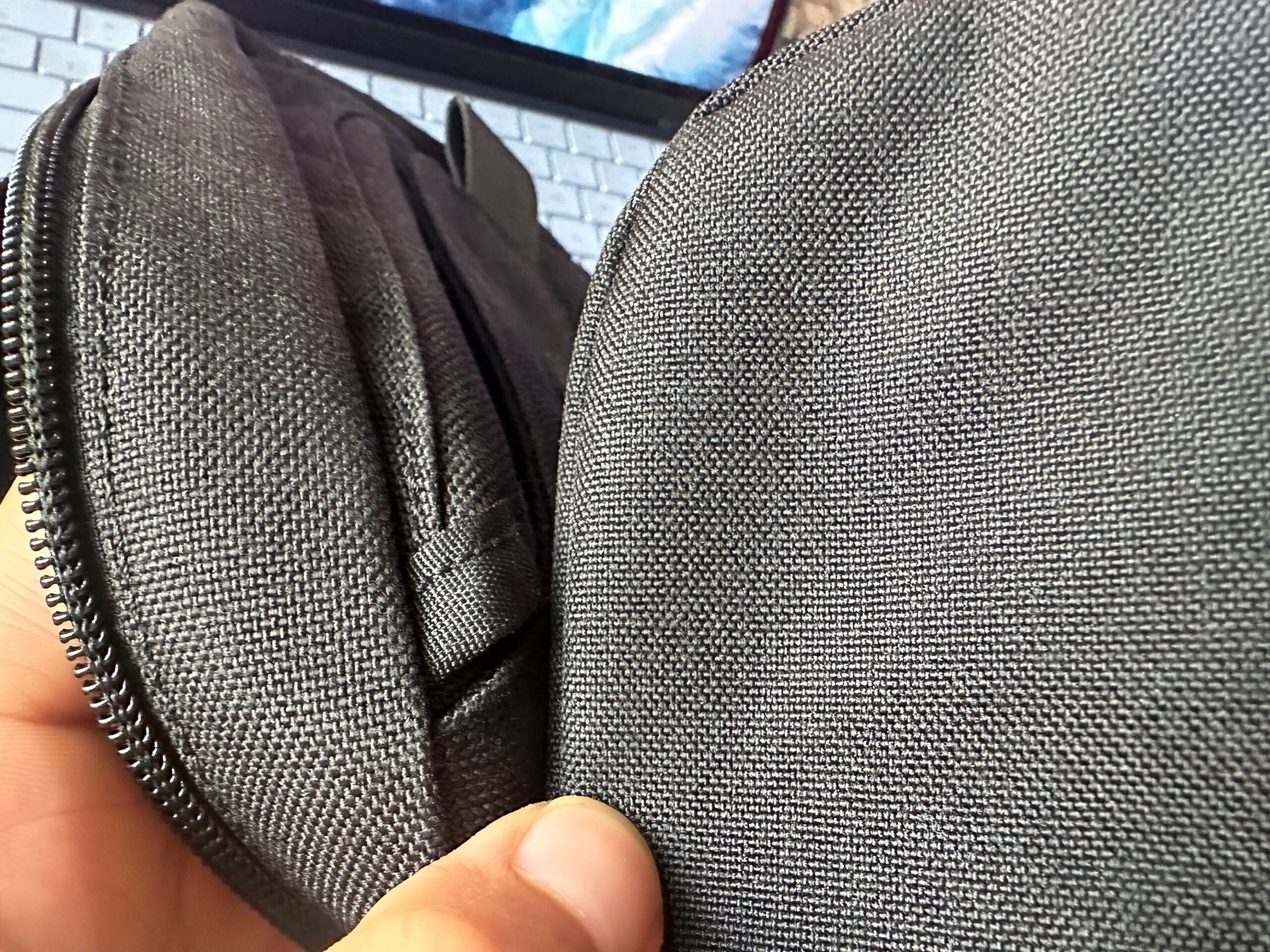
How PANOAR Helps Buyers Choose 500D or 1000D Nylon
For a backpack OEM project, PANOAR reviews material choice together with the full product structure. A fabric that works well on a simple pouch may not behave the same way on a large backpack with foam, lining, zippers, compression straps, MOLLE panels, and reinforced handles.
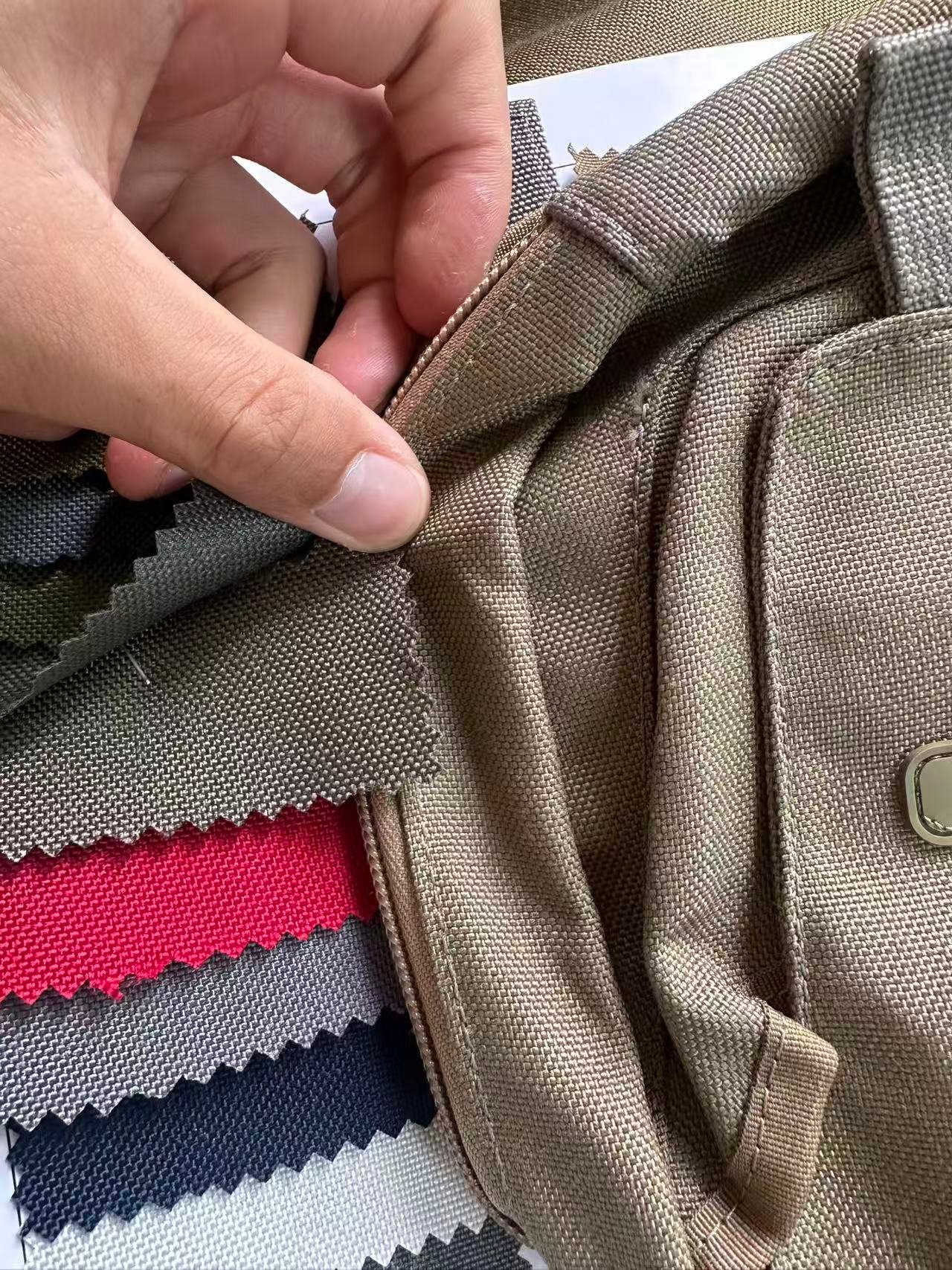
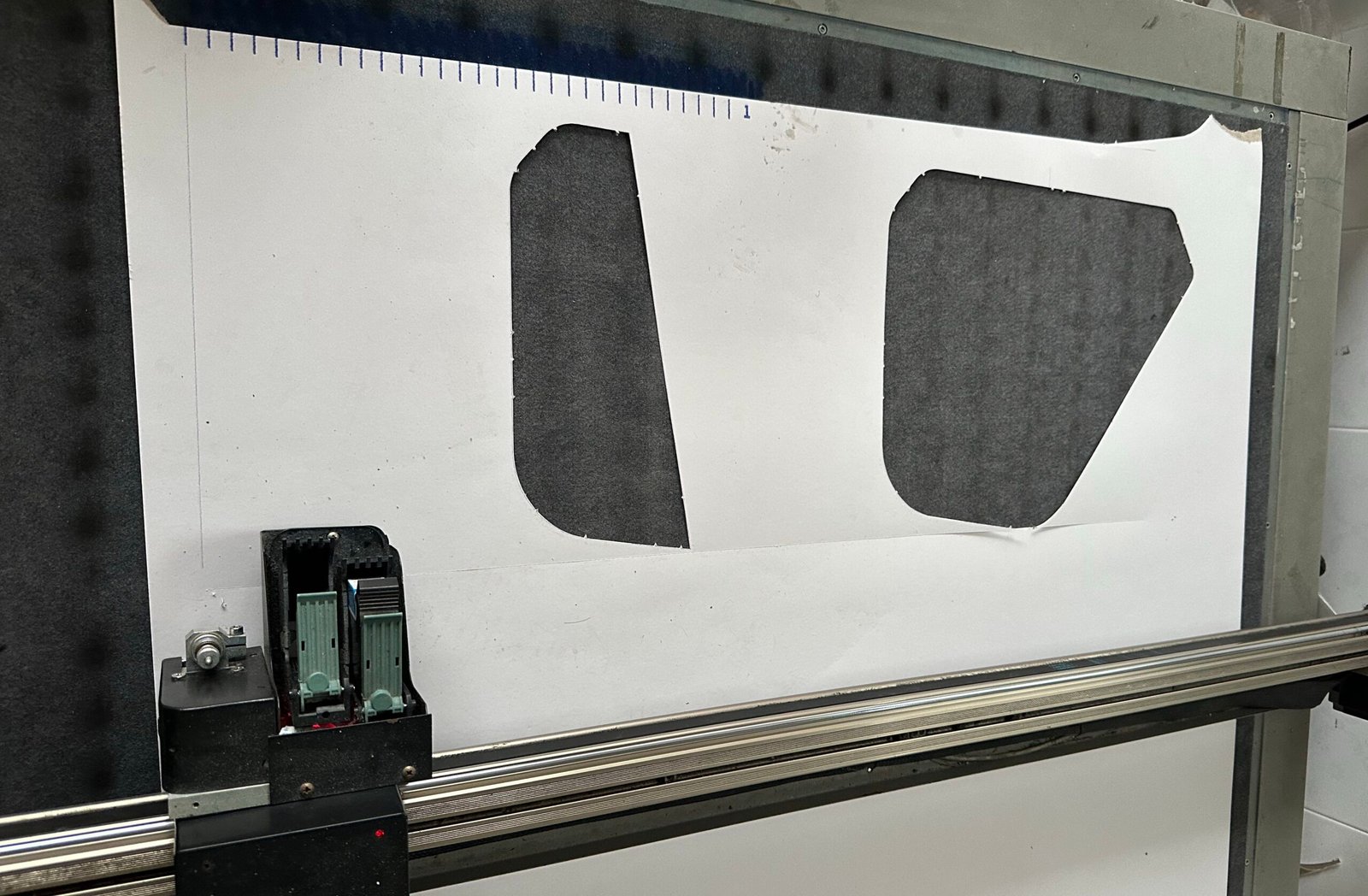
When 500D Nylon Makes More Sense
500D nylon is a practical choice when the buyer wants a tactical backpack that feels lighter and easier to carry. It can work well for outdoor brands, EDC-style tactical bags, compact MOLLE packs, camera-style utility bags, and private-label product lines where comfort and cost control are part of the brief.
It is also easier to manage in complex backpack patterns with many pockets, curves, internal dividers, binding edges, and zipper panels. If the product does not need a heavy-duty surface on every panel, 500D can help keep the backpack more balanced.
When 1000D Nylon Makes More Sense
1000D nylon is often selected when the product positioning needs a stronger, tougher appearance. It can be useful for duty bags, range bags, high-wear panels, bottom panels, reinforced MOLLE zones, and tactical backpacks that need a more rugged hand feel.
The tradeoff is weight and sewing complexity. On large backpacks, too much heavy fabric can make the product feel stiff or bulky. That is why buyers should check a real sample instead of choosing 1000D only because the number sounds stronger.
Common Mistakes in Tactical Backpack Material Selection
Material problems usually appear during sample review or after a product is packed and carried. These are common issues PANOAR helps buyers check before bulk production.
- Choosing only by denier: 1000D is not automatically better for every backpack, and 500D is not automatically weak.
- Ignoring coating and backing: Waterproof coating, PU backing, fabric finish and supplier quality can change the final performance.
- Using one fabric everywhere: Some designs need stronger fabric only on high-wear panels, not on every surface.
- Forgetting sewing thickness: Fabric, foam, lining, webbing and binding can create bulky seams that slow production or affect appearance.
- No sample comparison: Buyers should review the real fabric hand feel, color, stiffness and packed shape before approving bulk order.
What to Send When Requesting a Backpack Material Quote
If you want PANOAR to review whether 500D, 1000D or a mixed fabric construction is more suitable, send the product details together. This helps the factory check feasibility, sample direction and pricing more accurately.
- Backpack type, target size, capacity and intended use.
- Reference photos, drawing, tech pack, or current sample if available.
- Target fabric direction, such as 500D, 1000D, polyester, nylon, coating or color requirement.
- MOLLE layout, pocket structure, foam, lining, zipper, buckle and webbing requirements.
- Logo method, label, patch, hang tag, packing method and carton mark requirement.
- Estimated quantity, destination country, sample timeline and target bulk order plan.
You can also review PANOAR’s OEM/ODM manufacturing process, custom materials and hardware options, and MOQ and sample lead time guide before sending an RFQ.
Need Help Choosing Materials for a Tactical Backpack Project?
Send your backpack reference, fabric direction, quantity plan and customization requirements. PANOAR can review whether 500D, 1000D or a mixed material construction is more practical before sampling.
FAQ
Is 500D nylon strong enough for tactical backpacks?
For many commercial tactical backpacks, 500D nylon can be strong enough when the structure, stitching, webbing and reinforcement are designed correctly. The final decision depends on product use and target market.
Is 1000D nylon too heavy for backpacks?
It can be too heavy for some outdoor or daily-use backpacks, especially if every panel uses heavy fabric. Some buyers use 1000D only on high-wear panels and choose lighter fabric elsewhere.
Can PANOAR source both 500D and 1000D nylon?
PANOAR can review material direction for custom tactical backpack projects, including 500D, 1000D and other nylon or polyester fabric options based on the buyer’s product brief.
Which fabric is better for private label tactical backpacks?
The better fabric depends on positioning. 500D often supports lighter, more flexible packs. 1000D supports a more rugged feel. Private label buyers should confirm fabric with a sample before bulk production.
Can I request a sample before bulk production?
Yes. For OEM backpack projects, sample review is important for checking fabric hand feel, color, structure, MOLLE layout, sewing thickness, logo method and packing direction.
[…] fabric decisions, see the 500D vs 1000D nylon tactical backpack guide. For supplier evaluation, see how to choose a tactical backpack […]
[…] a deeper material comparison, see 500D vs 1000D Nylon for Tactical Backpacks. The tech pack should still identify the final material decision as confirmed, preferred, or open […]
[…] reinforcement layers. If you are unsure whether 500D or 1000D fabric fits your project, review the 500D vs 1000D nylon guide and then confirm the material direction with the actual pouch […]