
Tactical Backpack vs Military Backpack: Key Differences Explained
Understand the difference between tactical and military backpacks for B2B sourcing. Explore specs, supply chain options, and MOQ customization with Panoar.

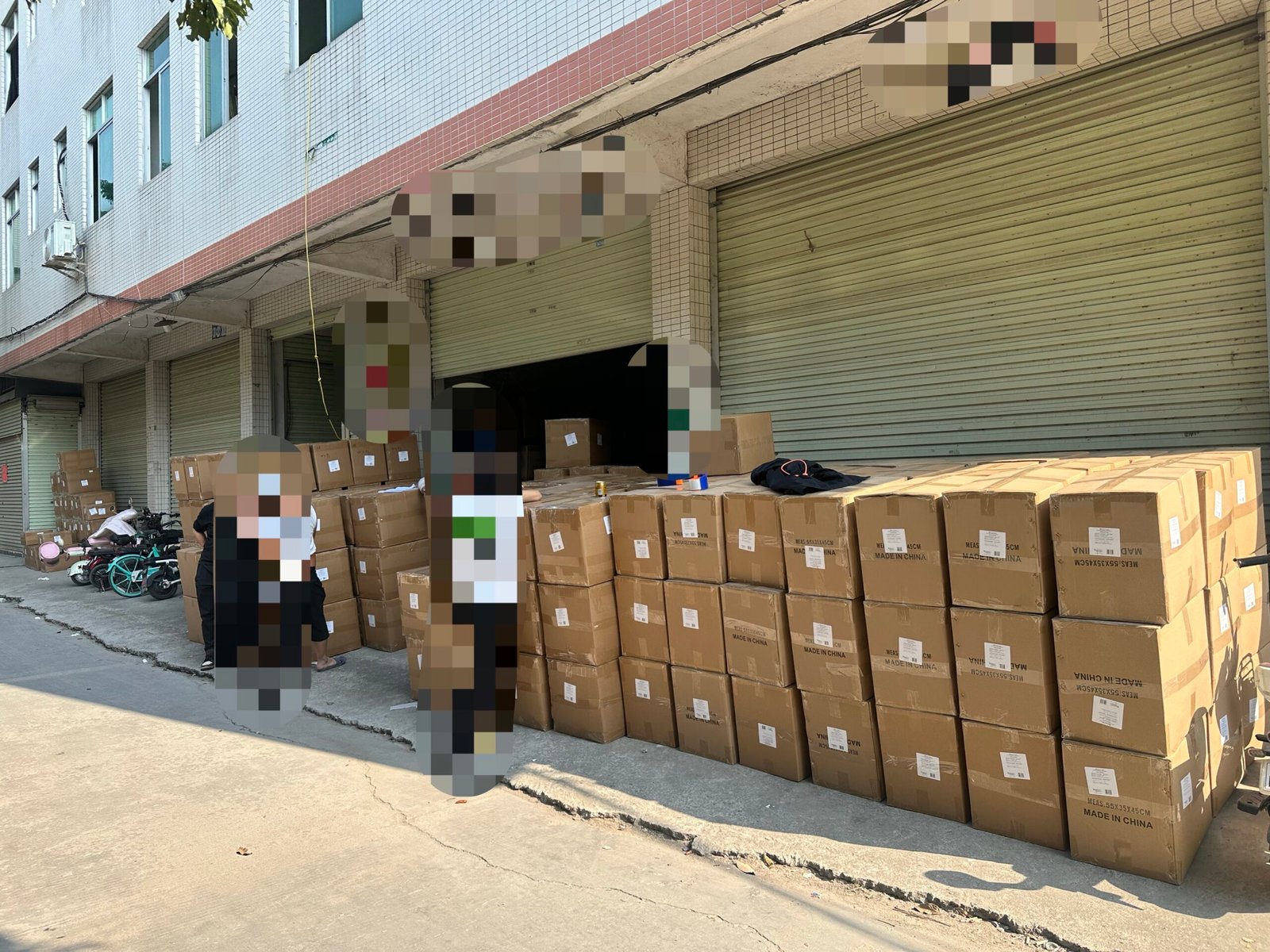
OEM Tactical Backpack Guide
Tactical backpack vs military backpack is not only a naming question. For importers, distributors, outdoor brands, security suppliers, and private-label buyers, the real decision is which product structure fits the market, what specifications must be confirmed, and whether the supplier can support sampling, customization, and repeat production.
Quick sourcing answer: choose a tactical backpack when the project needs commercial flexibility, MOLLE compatibility, organized storage, branding options, and broader market positioning. Choose a military-style backpack only when the buyer has clear duty-use requirements, load targets, camouflage or color requirements, and documented standards to review before quotation.
Tactical Backpack vs Military Backpack: The Practical Difference
In everyday search results, these two terms often overlap. Many buyers use “military backpack” to describe a rugged MOLLE pack, while other buyers use “tactical backpack” for duty, outdoor, range, patrol, emergency, or EDC-style bags. For B2B sourcing, the safer question is not which word sounds stronger, but which specification the buyer actually needs.
A tactical backpack is usually a commercial product category with flexible structure, color, material, compartment, and branding options. A military-style backpack may require stricter use-case review, heavier reinforcement, camouflage direction, load-bearing discussion, and documented buyer standards.
Side-by-Side Sourcing Comparison
Use this table when deciding whether your next backpack project should be positioned as a tactical backpack, military-style backpack, or a custom hybrid product.
| Buyer Question | Tactical Backpack Direction | Military-Style Backpack Direction | RFQ Check |
|---|---|---|---|
| Target market | Retail, outdoor, security, EDC, survival, patrol, range, or work gear channels. | Defense-adjacent, uniformed service, field training, or projects with stricter duty-use expectations. | Tell the supplier the real selling channel and intended use. |
| Structure | Multiple pockets, organizer panels, MOLLE webbing, compression straps, hydration or laptop options. | Load-focused layout, reinforcement zones, larger carry capacity, and more specific attachment needs. | Send dimensions, compartment needs, reference photos, and expected load direction if available. |
| Material | Common discussions include nylon or polyester options, fabric weight, coating, lining, and color. | May require heavier fabric, reinforced panels, stronger webbing, or specific buyer-defined material standards. | Do not assume one fabric is best. Confirm fabric, lining, padding, zipper, webbing, and buckle direction. |
| MOLLE layout | Often used for modular pouches, patches, and accessory positioning. | May need stricter spacing, stronger bartack areas, and compatibility checks with existing equipment. | Review the MOLLE webbing spacing guide before approving samples. |
| Branding | Private-label logo, woven label, rubber patch, removable patch, colorway, and packaging options. | Branding may be more controlled or secondary to functional requirements. | Share logo artwork, label position, packaging needs, and any restricted color requirements. |
| Supplier discussion | Can start from an existing backpack style, modified product, or OEM development brief. | Should start from a clearer technical brief and sample review process. | Use the MOQ, sample and lead time page to prepare practical order details. |
When a Tactical Backpack Is the Better Choice
A tactical backpack is usually the better sourcing direction when the buyer needs a product that can serve more than one market. This can include outdoor retailers, security equipment distributors, shooting sports suppliers, emergency-preparedness brands, school or work carry products with a tactical style, and private-label backpack lines.
For these projects, the buyer should focus on product usability: pocket structure, MOLLE layout, zipper access, shoulder strap comfort, back panel padding, handle reinforcement, internal organization, color options, and logo placement. If the product will be sold under your own brand, the supplier also needs to understand label, patch, hang tag, carton, and packaging requirements.
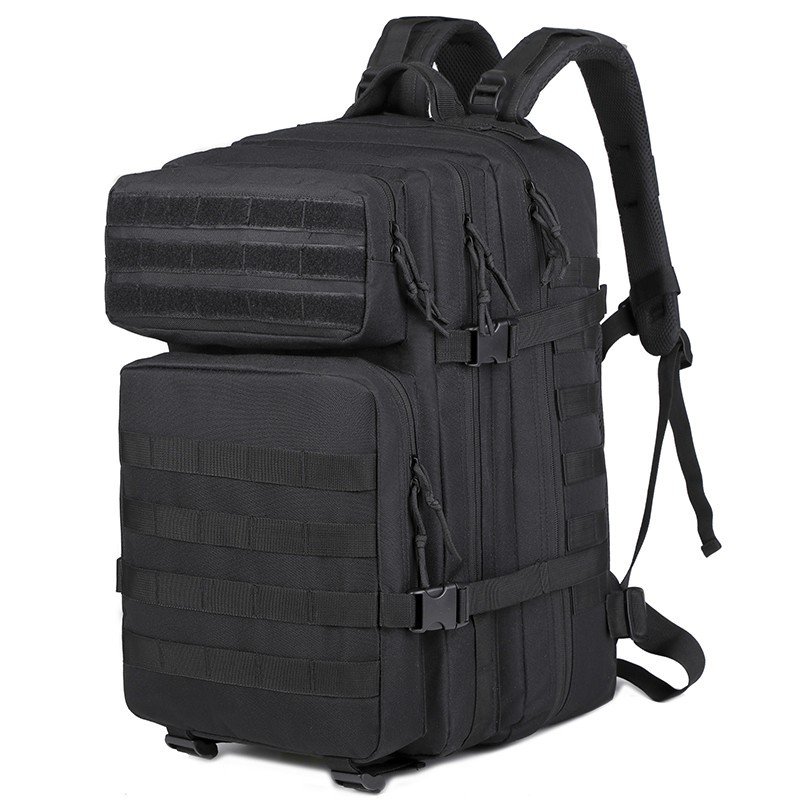
Procurement note: do not choose “military” wording only because it sounds stronger. If the end market is commercial, a clear tactical backpack specification may attract better-fit buyers and reduce unnecessary cost or sample changes.
When a Military-Style Backpack Needs Extra Review
A military-style backpack can make sense when the buyer has defined duty-use expectations, field carry requirements, camouflage or uniform color direction, higher reinforcement needs, or compatibility requirements with other equipment. But “military-style” should not be treated as proof of a real military standard.
If your RFQ requires a formal standard, the buyer should provide the document, testing method, material requirement, inspection rule, or sample benchmark. Without that information, the supplier can discuss a rugged backpack direction, but should not promise exact compliance.
| Do Not Assume | Confirm Instead |
|---|---|
| “1000D always means military grade.” | Confirm fabric type, coating, backing, abrasion expectation, panel placement, and sample feel. |
| “MOLLE webbing automatically fits all pouches.” | Check webbing spacing, bartack width, strap insertion, pouch compatibility, and panel stiffness. |
| “Heavy backpack means better backpack.” | Balance durability, carry comfort, shipping weight, intended load, and target retail positioning. |
| “Military-style photos prove factory capability.” | Review actual sample details, materials, stitching, hardware, packing, and repeat-order control. |
Key Specifications Buyers Should Compare
Whether you call the product a tactical backpack or a military backpack, the supplier still needs a clear specification before accurate pricing. The most useful RFQ details are practical and product-specific.
For fabric decisions, see the 500D vs 1000D nylon tactical backpack guide. For supplier evaluation, see how to choose a tactical backpack supplier.
Sample Details to Check Before Bulk Order
Product photos help buyers narrow the direction, but they do not replace sample review. Before bulk production, review whether the approved sample actually matches the product use and selling position.
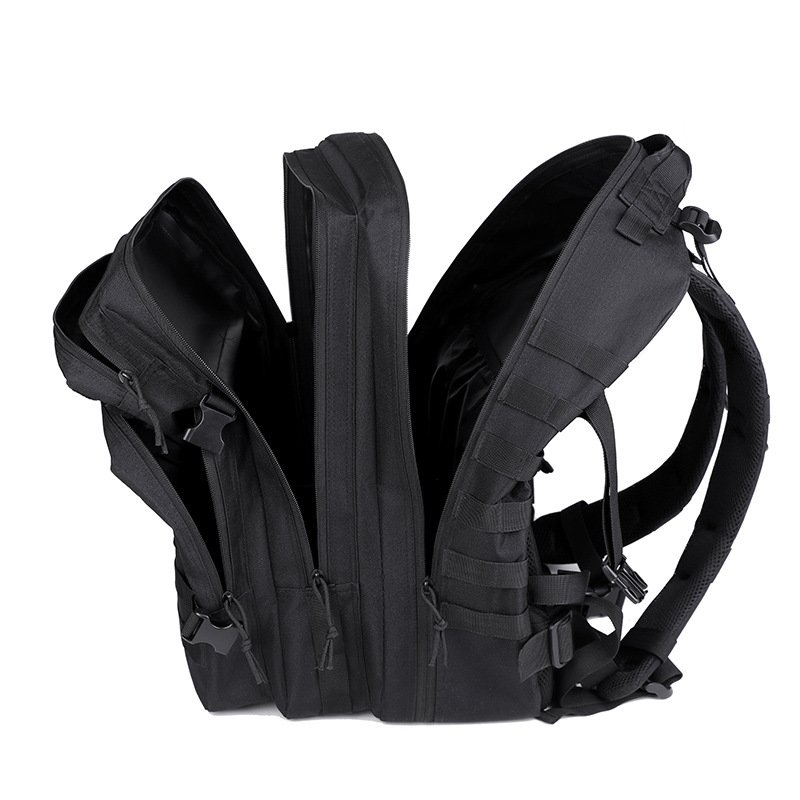
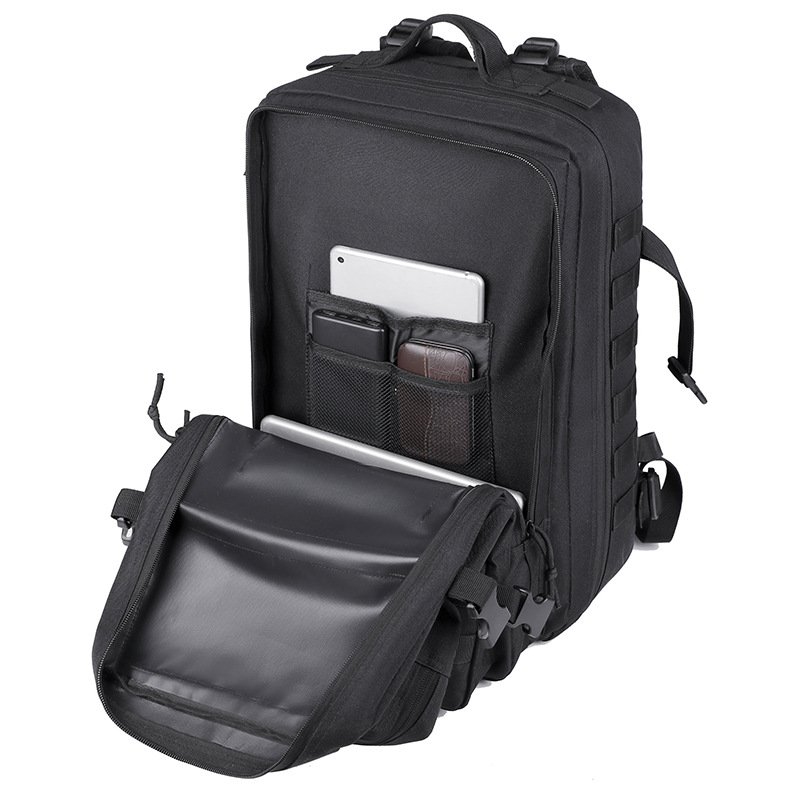
- Front structure: MOLLE layout, patch area, pocket shape, zipper direction, and compression straps.
- Carry system: shoulder strap padding, back panel, handle position, sternum or waist strap direction if required.
- Inside layout: main compartment, divider, mesh pocket, organizer panel, laptop or hydration compatibility.
- Material feel: outer fabric, lining, padding thickness, webbing stiffness, zipper movement, and buckle quality.
- Branding and packing: logo artwork, label position, hang tag, polybag, carton mark, and instruction sheet if needed.
How PANOAR Fits This Buyer Checklist
PANOAR supports overseas B2B buyers with OEM/ODM tactical gear discussions, including tactical backpacks, MOLLE packs, pouches, vests, K9 gear, and related sewn products. For backpack projects, the useful first step is not a vague unit-price request; it is a clear review of the product structure and order plan.
Buyers can send a current sample, reference product link, drawing, photo, tech pack, material direction, logo artwork, quantity plan, destination country, and packaging needs. PANOAR can then review whether the project fits an existing backpack style, a modified tactical backpack, or a more detailed OEM development process.
If your project is mainly about custom development, review OEM/ODM manufacturing. If the biggest question is fabric, webbing, buckle, zipper or logo method, review custom materials and hardware before the RFQ.
What to Send for a Faster Backpack Quote
A good RFQ helps the supplier understand the product and avoid quoting the wrong version. Include as many of these details as possible:
- Product direction: tactical backpack, military-style backpack, EDC pack, range bag, patrol pack, hydration pack, or custom MOLLE backpack.
- Target size, capacity, dimensions, compartment layout, and reference product or sample.
- Material direction: outer fabric, lining, padding, webbing, zipper, buckle, coating, and color.
- MOLLE requirement: sewn webbing or laser-cut panel, spacing expectation, compatible pouches, and reinforcement points.
- Branding: logo method, label position, patch panel, hang tag, packaging, barcode, and carton mark.
- Order plan: estimated quantity, destination country, sample need, target timing, and inspection requirement.
Need Help Choosing the Right Backpack Direction?
Send your backpack reference, target market, quantity plan and customization requirements through the PANOAR RFQ page. The team can review whether your project should use an existing tactical backpack, a modified product, or a custom OEM backpack development route.
Related Backpack Sourcing Pages
| Need | Best Next Page |
|---|---|
| Browse backpack products | Tactical Backpacks Category |
| Check a 40L MOLLE backpack example | Wholesale Tactical Assault Backpack 40L MOLLE |
| Discuss custom backpack manufacturing | Custom Tactical Backpack Manufacturer in China |
| Prepare custom order details | MOQ, Sample and Lead Time |
Conclusion
The best choice between a tactical backpack and a military backpack depends on the buyer’s product brief, not the label alone. Tactical backpacks usually give importers and private-label brands more commercial flexibility. Military-style backpacks need stricter requirement review, especially when the buyer expects stronger reinforcement, duty-use positioning, camouflage direction, or documented standards.
For a more accurate quote, define the backpack structure, material direction, MOLLE layout, logo method, quantity plan, sample needs, and destination country before contacting the supplier.
FAQ
What is the main difference between a tactical backpack and a military backpack?
A tactical backpack is usually a flexible commercial product category for modular carry, outdoor, security, EDC, range, or emergency use. A military backpack is often expected to meet stricter duty-use, reinforcement, camouflage, load, or documented standard requirements.
Which backpack type is better for private-label buyers?
Most private-label buyers should start with a tactical backpack direction because it allows more flexibility in structure, color, logo, packaging, and market positioning. Military-style development is better when the buyer has clear technical requirements.
Can a tactical backpack be customized with MOLLE webbing?
Yes. Buyers can request MOLLE webbing or related attachment layouts, but the spacing, webbing width, bartack position, panel stiffness, and pouch compatibility should be checked during sample review.
Should I choose 500D or 1000D fabric for a tactical backpack?
The right fabric depends on product use, weight target, price range, reinforcement plan, and sample feel. Buyers should compare fabric direction with the full backpack structure instead of choosing only by denier number.
What should I send before requesting a backpack quote?
Send the product type, size, material direction, MOLLE layout, compartment requirements, logo method, packaging needs, estimated quantity, destination country, timing, and any reference photo, sample, or tech pack.