
The Ultimate Guide: How to Choose a Tactical Backpack Supplier for Your Business in 2026

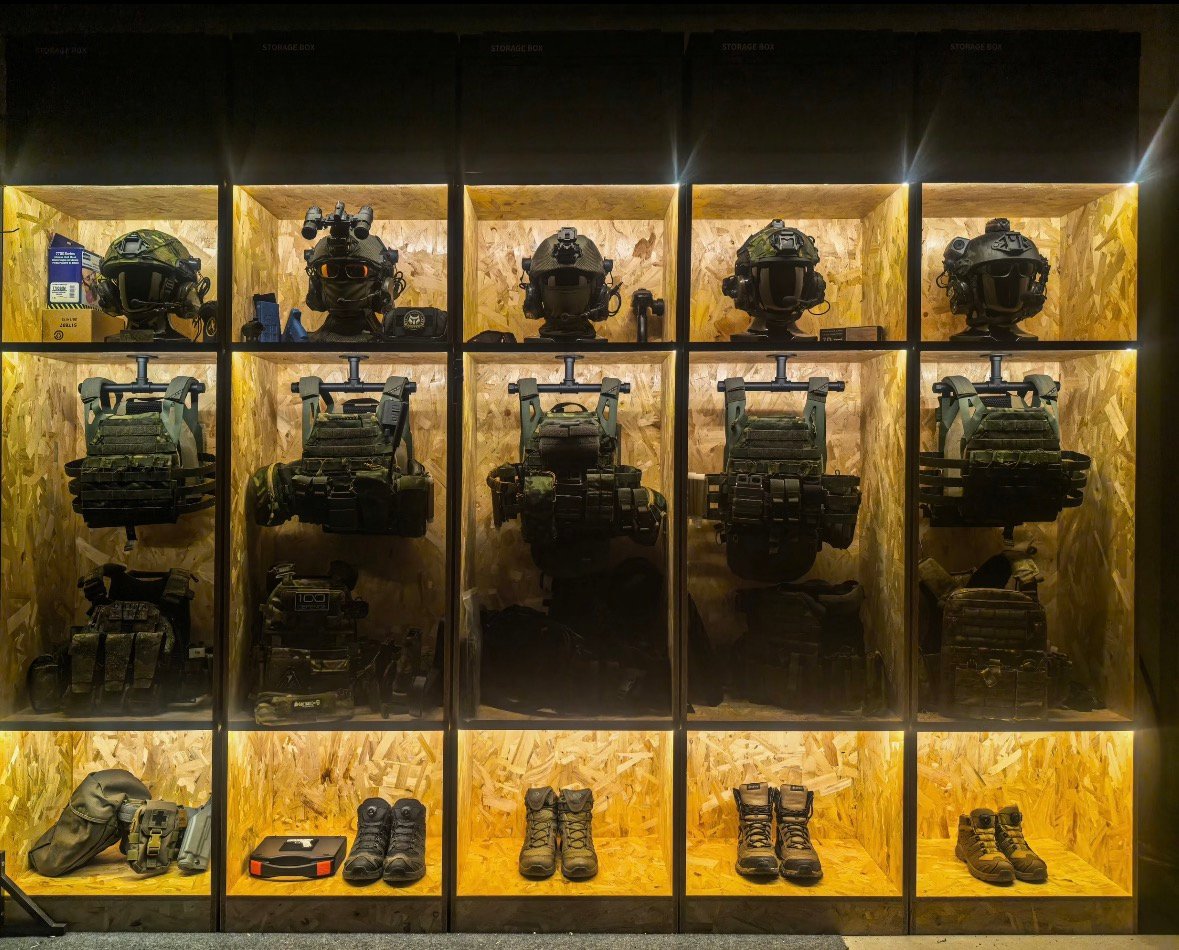
Choosing a tactical backpack supplier is not only about getting a low unit price. For brands, importers, distributors, and security equipment buyers, the real question is whether the supplier can turn your backpack idea, reference sample, or tech pack into repeatable bulk production.
Quick answer: choose a tactical backpack supplier that can prove experience with tactical bags, explain materials and MOLLE construction clearly, support OEM or private-label changes, provide realistic MOQ and sampling timelines, and show how quality is checked before shipment.
A factory that can review drawings, dimensions, fabric choices, MOLLE layout, compartments, logo method, and packaging before quoting.
A supplier with existing tactical backpack styles, stable material options, clear MOQ, and the ability to repeat the same specification across batches.
A manufacturer that communicates early about sampling, production risk, QC checks, packing, and shipment preparation.
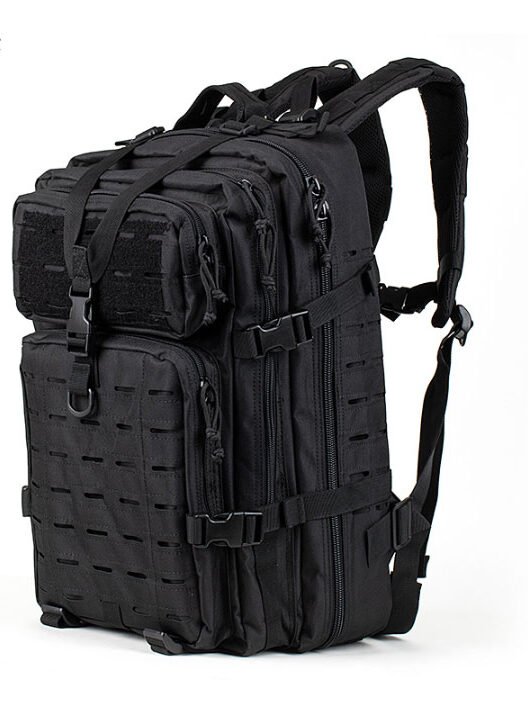
Start With the Type of Tactical Backpack You Need
Before comparing suppliers, define the backpack you actually want to source. A supplier cannot quote accurately from a broad request such as “send me tactical backpack price.” They need to know the intended use, size, structure, material, logo method, and order quantity.
EDC pack, assault pack, range bag, medical backpack, hiking tactical backpack, hydration-compatible bag, or custom load-bearing pack.
Capacity, number of compartments, laptop or hydration sleeve, MOLLE panels, compression straps, waist belt, shoulder strap padding, and back panel design.
Woven label, rubber patch, embroidery, printed logo, hook-and-loop patch area, hangtag, polybag, carton mark, or custom packaging.
Target MOQ, sample quantity, launch schedule, market, expected colorways, and whether you already have a tech pack or reference sample.
7 Things to Check Before Choosing a Tactical Backpack Supplier
1. Tactical Gear Experience, Not Just Bag Manufacturing
A normal backpack factory may understand basic sewing, but tactical backpacks usually need stronger material control, MOLLE compatibility, reinforced stitching, load-bearing design, and more hardware options. Ask whether the supplier regularly works with tactical bags, pouches, vests, belts, or related equipment.
Useful proof includes product samples, production photos, material swatches, MOLLE webbing details, stitching close-ups, QC process photos, or shipment photos from similar categories.
2. Clear Material and Hardware Options
Material choice affects cost, weight, hand feel, abrasion resistance, and how the backpack performs in the field. Common backpack discussions include 500D, 600D, 900D, and 1000D nylon or polyester options, plus zipper, buckle, webbing, hook-and-loop, lining, padding, and coating choices.
A good supplier should not push one material for every order. They should explain the tradeoff based on use case, price target, color, durability expectations, and production feasibility.
3. MOLLE Layout and Load-Bearing Construction
For tactical backpacks, MOLLE is not only a visual detail. Buyers should check webbing spacing, stitch consistency, bartack reinforcement, panel alignment, and whether the layout matches the pouches or accessories the end user may attach.
If the backpack will carry heavier gear, ask how the supplier reinforces shoulder straps, handles, seams, bottom panels, and stress points.
4. OEM and Private Label Support
If you are building your own brand, confirm what the supplier can actually customize. Basic logo placement is different from real OEM development. OEM work may include size adjustment, compartment redesign, MOLLE changes, fabric selection, hardware changes, lining changes, color matching, and packaging.
Send reference photos, measurements, sketches, renderings, or a tech pack if you have them. If you only have a sample, ask whether the supplier can review the sample and suggest production changes.
5. MOQ, Sample Time, and Production Timeline
Do not compare suppliers only by unit price. MOQ, sample time, material availability, custom logo method, packaging, and production queue all affect whether a supplier is suitable for your order.
For custom projects, ask for separate timelines for sample development, sample revision, bulk material preparation, sewing, QC, packing, and shipment preparation. This gives you a more realistic launch schedule.
6. Quality Control Before Shipment
Quality control should be specific. For tactical backpacks, buyers should ask how the supplier checks fabric, cutting, stitching, zippers, buckles, MOLLE webbing, dimensions, logo placement, color, packing, and carton marks.
If your order is custom, ask whether the factory can confirm a pre-production sample before bulk production. This step helps prevent small sample changes from becoming large production problems.
7. Communication During RFQ and Sampling
The way a supplier answers your first RFQ often shows how the project will run later. A useful answer should ask about product use, quantity, materials, logo, packaging, timeline, and reference files. A vague answer with only a unit price is usually not enough for OEM work.
Tactical Backpack Supplier Comparison Table
Use this table when comparing two or three shortlisted suppliers. The best option is not always the cheapest one; it is the supplier that can support your target product with fewer production risks.
| Evaluation Area | What to Ask | Good Signal | Risk Signal |
|---|---|---|---|
| Product fit | Have you made similar tactical backpacks or related gear? | Shows samples, details, or category experience. | Only shows school bags, fashion bags, or generic catalog items. |
| Material options | Which fabric, zipper, buckle, webbing, and lining options fit this use? | Explains tradeoffs by cost, weight, durability, and order quantity. | Gives one answer without asking about product use. |
| Customization | Can you adjust size, pocket layout, MOLLE, color, logo, and packaging? | Separates easy changes from changes requiring sampling. | Says “yes” to everything without reviewing files. |
| MOQ and timeline | What is the MOQ, sample time, and bulk production time? | Gives a clear range and explains what may change it. | Promises very fast custom production without checking details. |
| QC process | What do you check before packing and shipment? | Mentions dimensions, stitching, materials, hardware, logos, and packing. | Only says “quality is good” with no process. |
Backpack Details Buyers Should Review in Supplier Samples
Product photos cannot replace a full factory audit, but they are useful for checking whether a supplier understands tactical backpack structure. Before moving into sampling or bulk order discussion, buyers should review the details that affect daily use, customization, and production consistency.
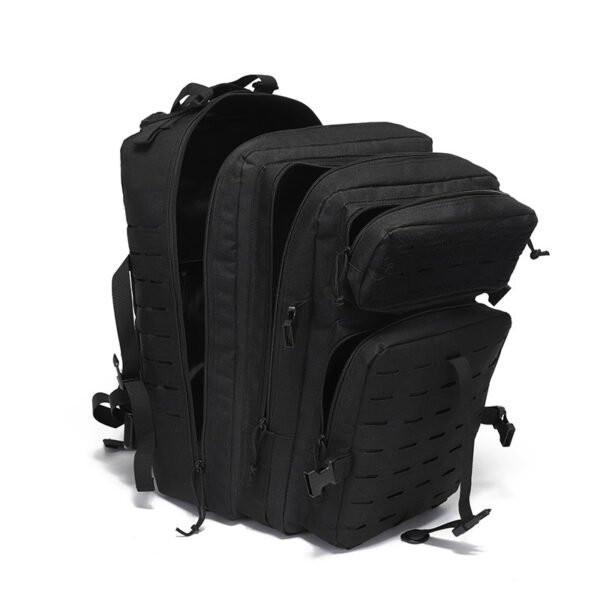 Compartment layout
Check whether pocket depth, zipper access, internal organization, and main compartment size match the intended user and sales channel.
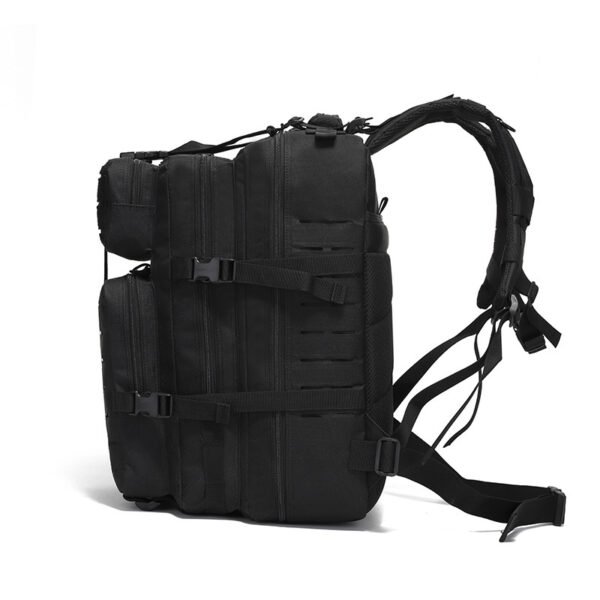 Back panel and straps
Review shoulder strap width, padding shape, back panel structure, carrying comfort, and reinforcement at high-stress points.
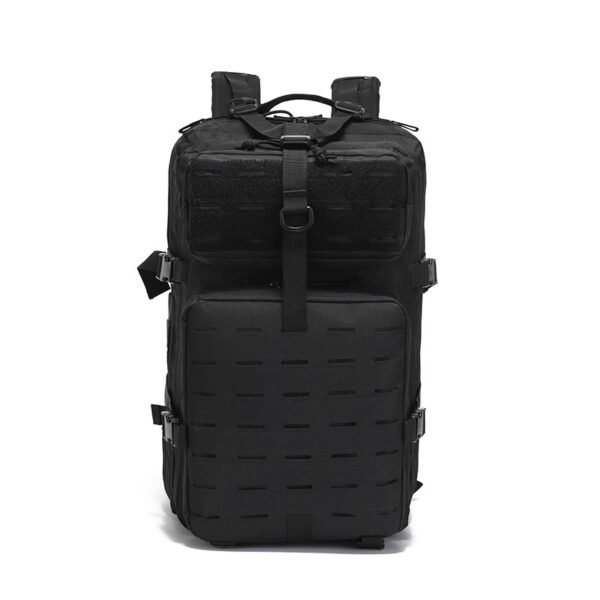 MOLLE exterior review
Check MOLLE spacing, attachment zones, panel balance, exterior pocket placement, and whether the layout supports add-on pouches.
Red Flags When Evaluating a Tactical Backpack Supplier
- The supplier gives a price before asking about size, material, structure, quantity, or logo requirements.
- They cannot explain fabric, webbing, zipper, buckle, or stitching options clearly.
- They say every customization is easy without reviewing a sample, drawing, or tech pack.
- They avoid questions about MOQ, sampling, QC, packing, or shipment preparation.
- The sample looks good, but the supplier cannot explain how bulk production will match it.
What to Send Before Requesting a Quote
A clear RFQ helps the supplier respond faster and more accurately. If you want a custom tactical backpack quote, prepare as many of these details as possible:
- Product photos, drawings, renderings, or a reference sample.
- Target size, capacity, compartments, and MOLLE layout.
- Preferred fabric, color, zipper, buckle, webbing, and lining requirements.
- Logo method, label, patch, hangtag, and packaging requirements.
- Target quantity, sample needs, delivery market, and expected timeline.
How PANOAR Fits This Supplier Checklist
PANOAR is a China-based OEM/ODM tactical gear manufacturer for overseas B2B buyers. For tactical backpack projects, the discussion normally starts with product use, size, material direction, MOLLE layout, compartment structure, logo method, packaging needs, target quantity, and sample requirements.
This makes the quote discussion more practical. Instead of giving a loose price from one product photo, the factory can review whether the backpack should use an existing style, a modified structure, or a more detailed OEM development process.
Need a Tactical Backpack Supplier for OEM or Wholesale Orders?
Send your product photo, tech pack, reference sample, target quantity, material request, logo requirement, and packaging needs. PANOAR can review the project direction and help prepare a practical RFQ discussion.
Related PANOAR Resources
Learn how PANOAR supports B2B tactical gear manufacturing projects.
Compare OEM and ODM support before choosing the right production model.
Review material, webbing, zipper, buckle, hook-and-loop, and logo options.
Understand how MOQ, sampling, and production time affect custom tactical gear orders.
FAQ
What is the best way to choose a tactical backpack supplier?
The best way is to compare suppliers by product fit, tactical gear experience, material options, OEM support, MOQ, sample process, QC checks, and communication during RFQ. Do not choose only by the lowest unit price.
What should I send to a tactical backpack supplier for a quote?
Send product photos, drawings, dimensions, material requirements, logo method, packaging needs, target quantity, market, and expected timeline. A tech pack or reference sample is helpful for custom OEM projects.
Can a tactical backpack supplier make custom MOLLE layouts?
Many tactical backpack manufacturers can adjust MOLLE layout, but the supplier should review your backpack structure, attachment needs, webbing spacing, and reinforcement points before confirming feasibility.
Should I choose OEM or wholesale tactical backpacks?
Choose OEM if you need a custom structure, material, size, logo, or packaging. Choose wholesale if an existing backpack style already fits your market and only minor branding changes are needed.