

How to Evaluate a Tactical Gear OEM Manufacturer in China
Complete guide for wholesale buyers and distributors on how to source tactical gear from a China OEM factory — covering supplier vetting, sampling, MOQ negotiation, QC, and logistics.

China OEM sourcing guide
Choosing a tactical gear manufacturer in China should begin with product fit and project control, not the biggest capacity number or the lowest quoted price. A useful supplier review connects your design, materials, sample approval, bulk checkpoints, packaging and delivery requirements.
This guide is for tactical gear brands, importers, distributors and sourcing teams preparing an OEM or ODM project. It explains what to ask, what evidence to request and what PANOAR can review before quotation.
Start With the Product, Not the Supplier Label
“Manufacturer,” “factory,” “supplier” and “OEM partner” are often used loosely on sourcing websites. The label alone does not tell you who develops the sample, purchases materials, controls production, approves subcontracted work, performs inspection or manages export communication.
Begin with the product you want to make. A tactical backpack, MOLLE pouch, plate carrier accessory, tactical belt, medical pouch and K9 harness each create different questions about pattern work, dimensions, load points, hardware, padding, labels and packing.
Practical rule: a supplier is a potential fit only when it can explain how your reference becomes an agreed specification, sample and bulk-order checklist.
Define these project inputs before comparison:
- Product category, intended market and required functions.
- Reference sample, marked photos, drawing or tech pack.
- Dimensions, structure, material and hardware direction.
- Logo, label, patch, packaging and carton requirements.
- Estimated quantity, size or color mix, destination and target timing.
- Items that must be approved in the sample and checked again in bulk.
A Buyer Checklist for Evaluating a China Tactical Gear Manufacturer
The strongest questions are specific enough to produce a useful answer. They also make it easier to compare suppliers on the same basis instead of comparing unrelated quotations.
| Evaluation Area | What to Ask | Useful Response or Evidence |
|---|---|---|
| Product fit | Which details of this product can you review or develop? | A response tied to your reference, construction and requested changes rather than a generic product list. |
| Responsibility | Who handles sampling, material sourcing, production follow-up, QC communication and packing? | Named responsibilities and a clear explanation of any outside process or component supplier involved. |
| Specification control | How will dimensions, materials, hardware, colors and workmanship be recorded? | A tech pack, sample comments, bill-of-material direction or another written approval reference. |
| Sample approval | Which points can be checked before bulk production? | A sample plan covering construction, measurements, materials, function, branding and packaging. |
| Bulk quality | Which checkpoints will be used during production and before shipment? | An order-specific checklist with inspection scope, tolerances and responsibility agreed in advance. |
| Commercial terms | What factors determine MOQ, price, sample work and timing? | A conditional quotation connected to product complexity, materials, customization, quantity and packing. |
What Factory Photos Can and Cannot Confirm
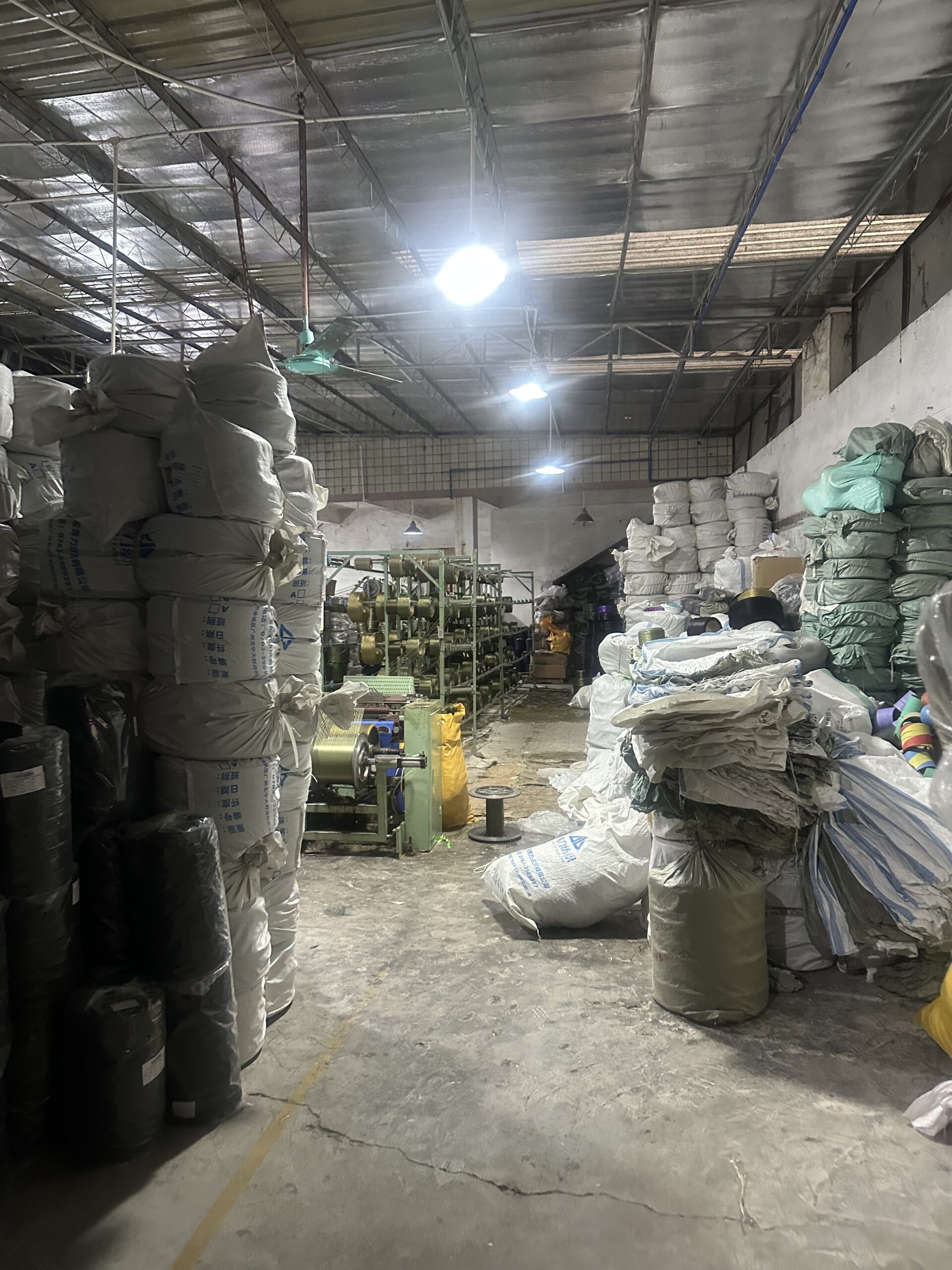
Factory images can help a buyer understand the physical setting and prepare better questions. One workshop photo, however, does not prove legal ownership, capacity, certification, inspection results or suitability for every product.
Ask when and where an image was taken, what process it shows and whether that process is relevant to your project. For higher-risk orders, combine visual references with live discussion, sample review, documents appropriate to the requirement and an inspection plan.
Turn the Buyer Brief Into a Controlled Sample
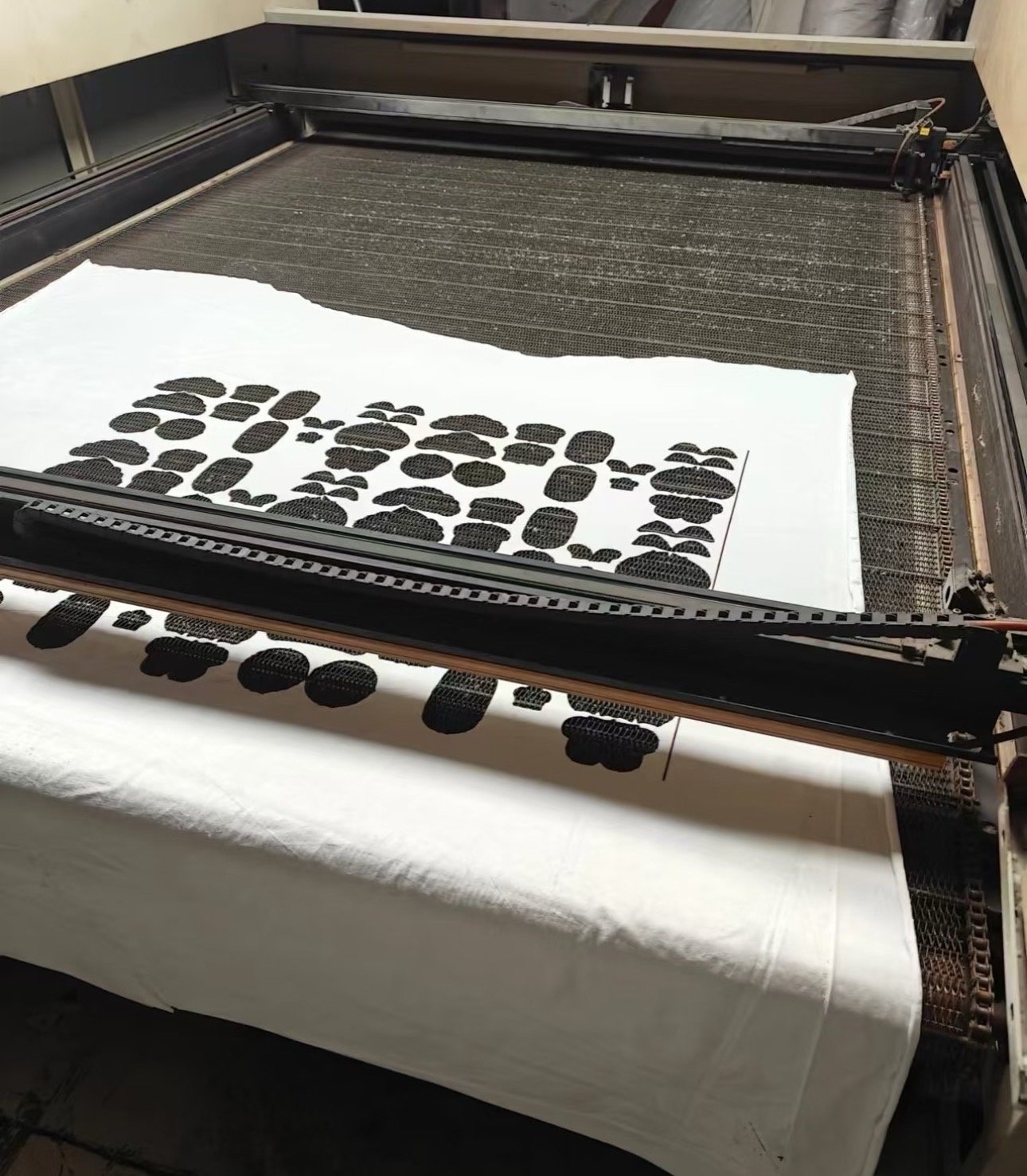
A sourcing project becomes easier to manage when requested changes are marked against one reference. The reference may be a physical sample, a tech pack, a drawing or annotated photos. Each change should explain the desired result and how it will be reviewed.
For tactical soft goods, common sample checkpoints include finished dimensions, pocket access, strap geometry, MOLLE placement, seam construction, reinforcement locations, material feel, hardware operation, logo placement and packaging format. The correct list depends on the product.
Record dimensions, pattern changes, pocket layout, openings, straps, padding and attachment points.
Record the requested fabric direction, webbing, lining, padding, zipper, buckle, hook-and-loop and color references.
Confirm artwork, method, dimensions, placement, labels, patches and any market-facing text.
Confirm SKU identification, polybag, hang tag, barcode, insert, carton mark and pack quantity.
Compare Materials by Requirement, Not Marketing Terms
Terms such as “heavy duty,” “military grade” and a fabric denier do not form a complete material specification. Buyers should identify the product requirement first, then confirm the material construction, backing or coating direction, webbing, lining, padding, hardware and reinforcement details that support it.
If a named material, hardware brand, performance standard or restricted-substance requirement is mandatory, put it in the RFQ. Ask the supplier to state whether it can be sourced, what document or sample can support the requirement and whether substitutions need written approval.
Material questions worth including:
- Which component does the requirement apply to?
- Is a named brand mandatory, or can an agreed equivalent be reviewed?
- What color, finish, coating, hand feel or weight direction is required?
- Which performance requirement needs a test method or supplier document?
- How will a material or hardware substitution be approved?
Do Not Treat Certification as a Generic Trust Badge
Compliance requirements depend on the product, destination market, customer contract and intended use. A certificate name on a website is not enough. Buyers should verify the issuing body, certificate holder, scope, validity and whether the document actually applies to the product, material or process being sourced.
PANOAR should only confirm a certification or test requirement after reviewing the specific project and available evidence. If a requirement is mandatory, include it before quotation so feasibility, documentation and responsibility can be discussed without assumptions.
How MOQ, Price and Timing Should Be Quoted
A responsible quotation connects commercial terms to a defined product. MOQ, price, sample work and timing can change with structure, material availability, custom colors, hardware, logo method, packaging, quantity mix and approval rounds.
Instead of asking only for “best price,” ask the supplier to identify the quotation basis and exclusions. That makes revisions easier to understand and reduces the chance that two prices cover different materials, construction or packing.
| Quote Input | What the Buyer Should Provide | Why It Changes the Quote |
|---|---|---|
| Product definition | Reference, dimensions, construction and required changes. | Determines development work, material use and sewing complexity. |
| Materials | Fabric, webbing, hardware, color and any mandatory source or standard. | Affects availability, component minimums and sample confirmation. |
| Order mix | Total quantity plus quantity by SKU, size and color. | Affects purchasing, cutting, labeling, packing and production planning. |
| Branding and packing | Logo method, labels, barcodes, polybags, inserts and carton marks. | Adds approval files, components and packing operations. |
| Delivery requirement | Destination, target date and requested shipping terms. | Allows production and logistics timing to be reviewed against the real scope. |
Build Quality Control Around the Approved Reference
A generic statement such as “strict QC” does not tell the buyer what will be checked. The useful approach is to define acceptance points before production and connect them to the approved sample, specification and packaging files.
Possible checkpoints for tactical soft goods include:
- Product dimensions and agreed tolerances.
- Material, color, webbing, hardware and component references.
- Stitching, reinforcement, binding and attachment placement.
- Pocket, zipper, buckle, hook-and-loop and other functional checks.
- Logo, labels, barcode, SKU identification and packing instructions.
- Inspection scope, issue classification, reporting and approval responsibility.
Buyer control point: agree on what happens when a material, component or measurement differs from the approved reference. The escalation and approval path matters as much as the checklist.
Confirm Packaging and Logistics Before Production Ends
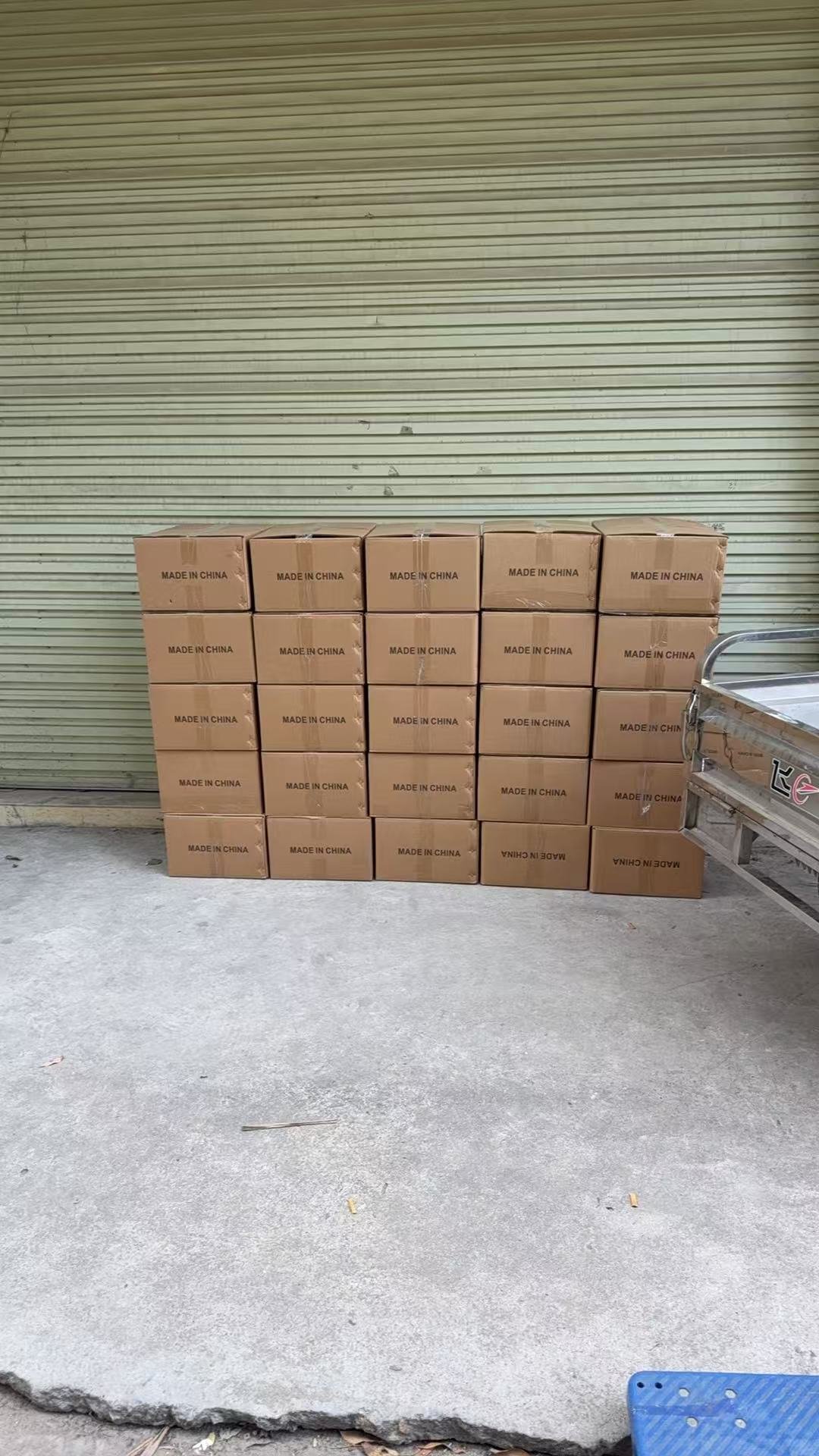
Packaging affects SKU control, receiving and resale readiness. Send the required labels, barcode data, polybag instructions, pack quantity and carton marks early enough for review. Do not leave these details until goods are ready to ship.
For delivery planning, provide the destination, requested shipping terms, target date and forwarder requirements. Production timing, packing completion and transit should be treated as separate stages and confirmed for the actual order.
How PANOAR Fits This Supplier Checklist
PANOAR supports OEM/ODM tactical soft goods projects for overseas brands, importers and distributors across tactical backpacks, MOLLE pouches, medical pouches, plate carrier accessories, tactical belts and K9 gear. Project fit is reviewed from the buyer’s product reference and requested scope.
Before quotation, PANOAR can review the product type, reference sample or files, structure, material direction, hardware, branding, packaging, estimated quantity, destination and target timing. The next step may be clarification, an available product direction or sample development, depending on the request.
Send a sample, tech pack, drawing or marked photos so the requested construction and changes can be discussed.
State the required fabric, webbing, hardware, color and documentation instead of relying on general quality terms.
Define the dimensions, function, workmanship, branding and packing details that need confirmation before bulk.
Include the checkpoints, tolerances, reporting needs and approval responsibility that matter to your order.
Use the Right PANOAR Page for the Next Step
What to Send in a Tactical Gear OEM RFQ
- Company and market: company name, destination country, sales channel and intended users.
- Product reference: sample, tech pack, drawing, marked photos or the closest existing product.
- Specification: dimensions, structure, materials, hardware, colors and required functions.
- Branding: logo files, labels, patches, packaging artwork and barcode requirements.
- Order plan: estimated quantity by SKU, size and color, plus target timing and destination.
- Approval criteria: sample checkpoints, tolerances, required documents, QC scope and packing instructions.
Send Your Tactical Gear Project for Review
Share the product reference, requested changes, material direction, branding, estimated quantity, destination and target timing. PANOAR can review project fit and identify the information needed before a formal quotation.
Submit OEM/ODM RFQ View OEM/ODM ProcessTactical Gear Manufacturer China FAQ
How should I evaluate a tactical gear manufacturer in China?
Start with product fit, responsibility and specification control. Ask how your reference becomes a sample and written approval standard, who manages materials and production, which bulk checkpoints can be agreed, and how packaging and delivery requirements will be recorded.
What should I send before requesting an OEM quotation?
Send your company and market information, product reference, dimensions, required construction, material and hardware direction, branding and packaging requirements, estimated quantity, destination, target timing and approval criteria.
Do I need a tech pack to contact PANOAR?
A tech pack is useful but is not the only possible starting point. You can send a physical sample, drawings or marked product photos with dimensions and a clear list of requested changes for an initial project review.
How are MOQ, sample work and production timing confirmed?
They are reviewed against the product structure, materials, hardware, customization, SKU and color mix, packaging, quantity and approval requirements. Confirm the applicable terms in the project-specific quotation rather than relying on a universal number.
How should buyers verify material or compliance requirements?
State the exact requirement and where it applies, then ask what sample, supplier document or test evidence can support it. Check the issuing party, scope, validity and relationship to the product or material before treating a document as proof.
Should a tactical gear buyer approve a sample before bulk production?
A physical sample can create a useful approval reference for construction, dimensions, materials, hardware, function, branding and packaging. The sample process and acceptance points should be defined according to the project scope.
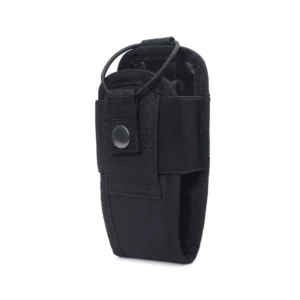
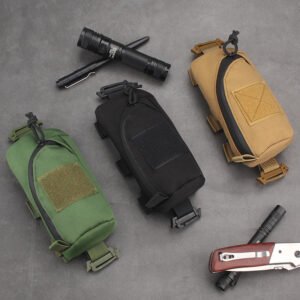

[…] brands working with a China OEM tactical gear manufacturer, the best approach is to confirm the inspection framework before production ends. That way, quality […]