

Custom Tactical Backpack Manufacturer in China: OEM/ODM Guide for Brands
Compare MOQ, materials, lead time, QC, and OEM options when choosing a custom tactical backpack manufacturer in China for your brand.

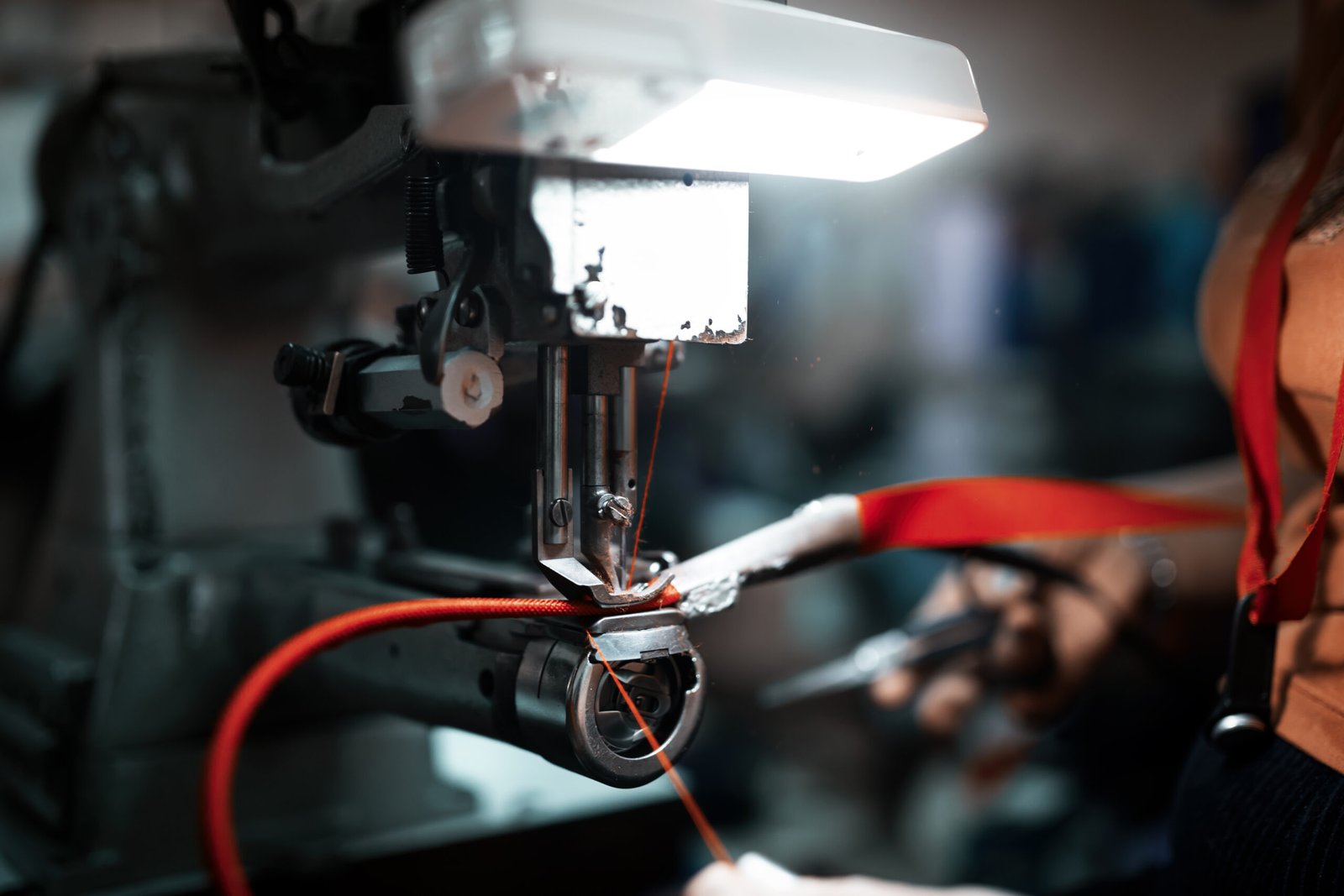
Custom Tactical Backpack Manufacturer in China: How Brands Build a Better OEM/ODM Program
A practical guide for importers, wholesalers, private-label brands, law enforcement suppliers,
and tactical gear distributors sourcing custom tactical backpacks from a China factory partner.
program: fabric weight, structure, load balance, zipper grade, branding method, packaging, MOQ planning,
inspection, and reliable reorder supply.
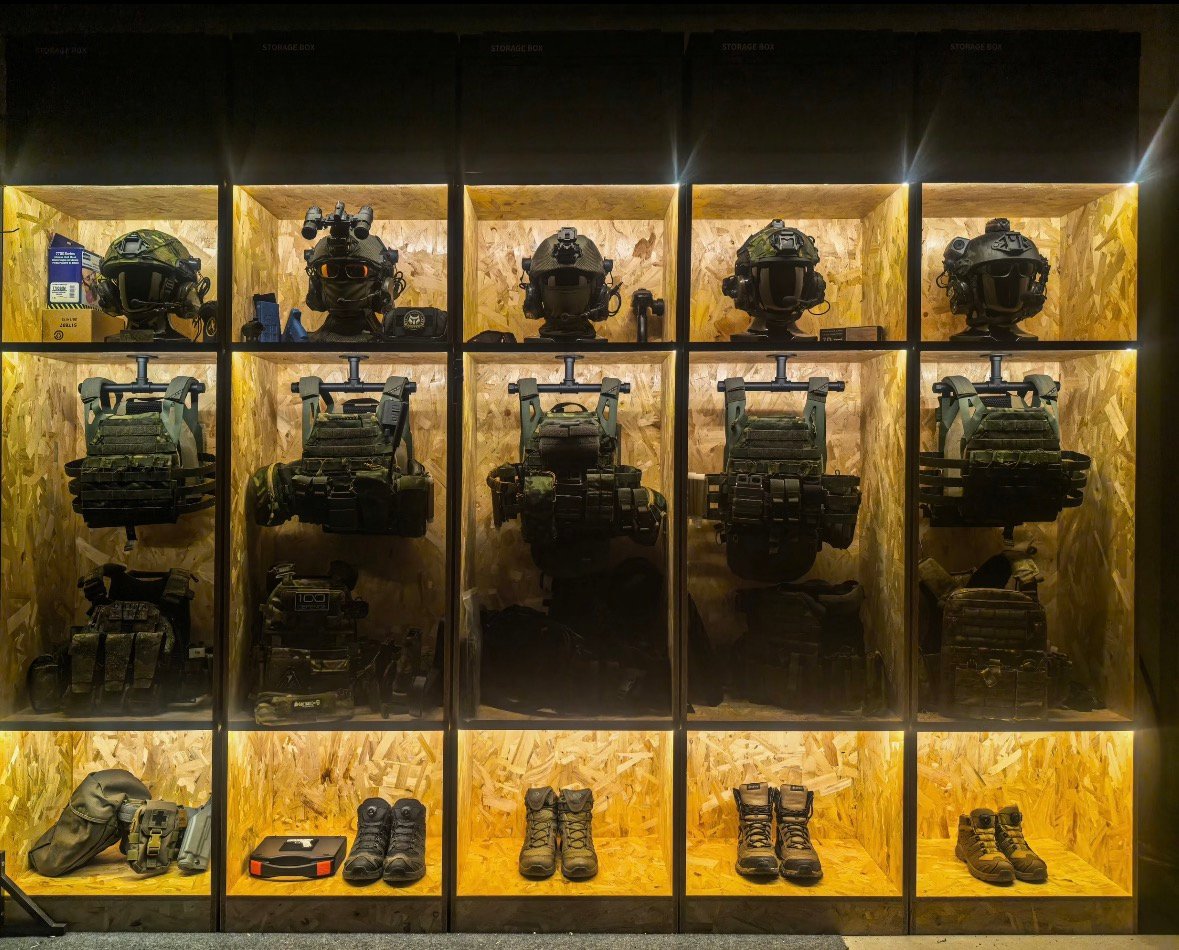
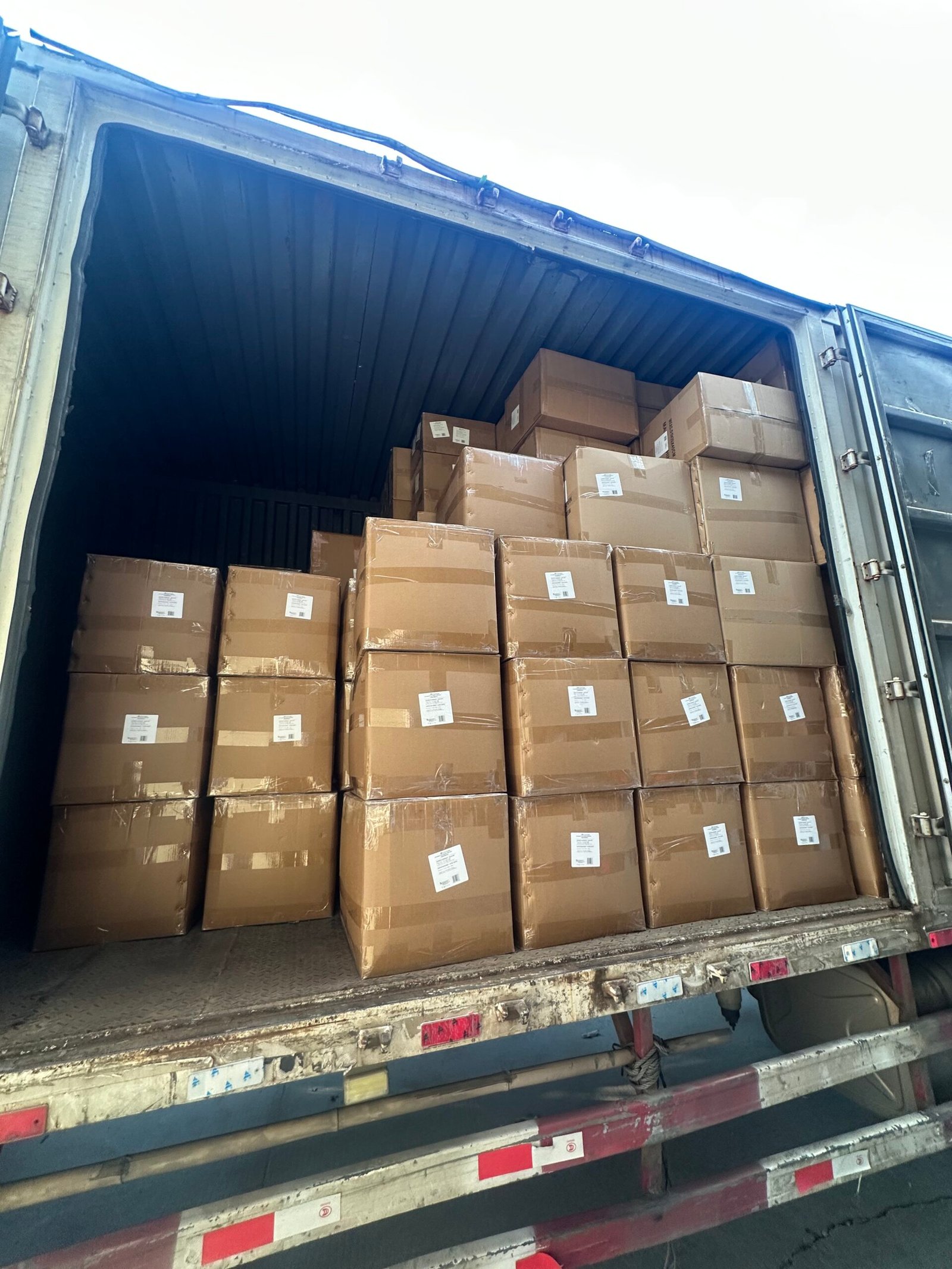
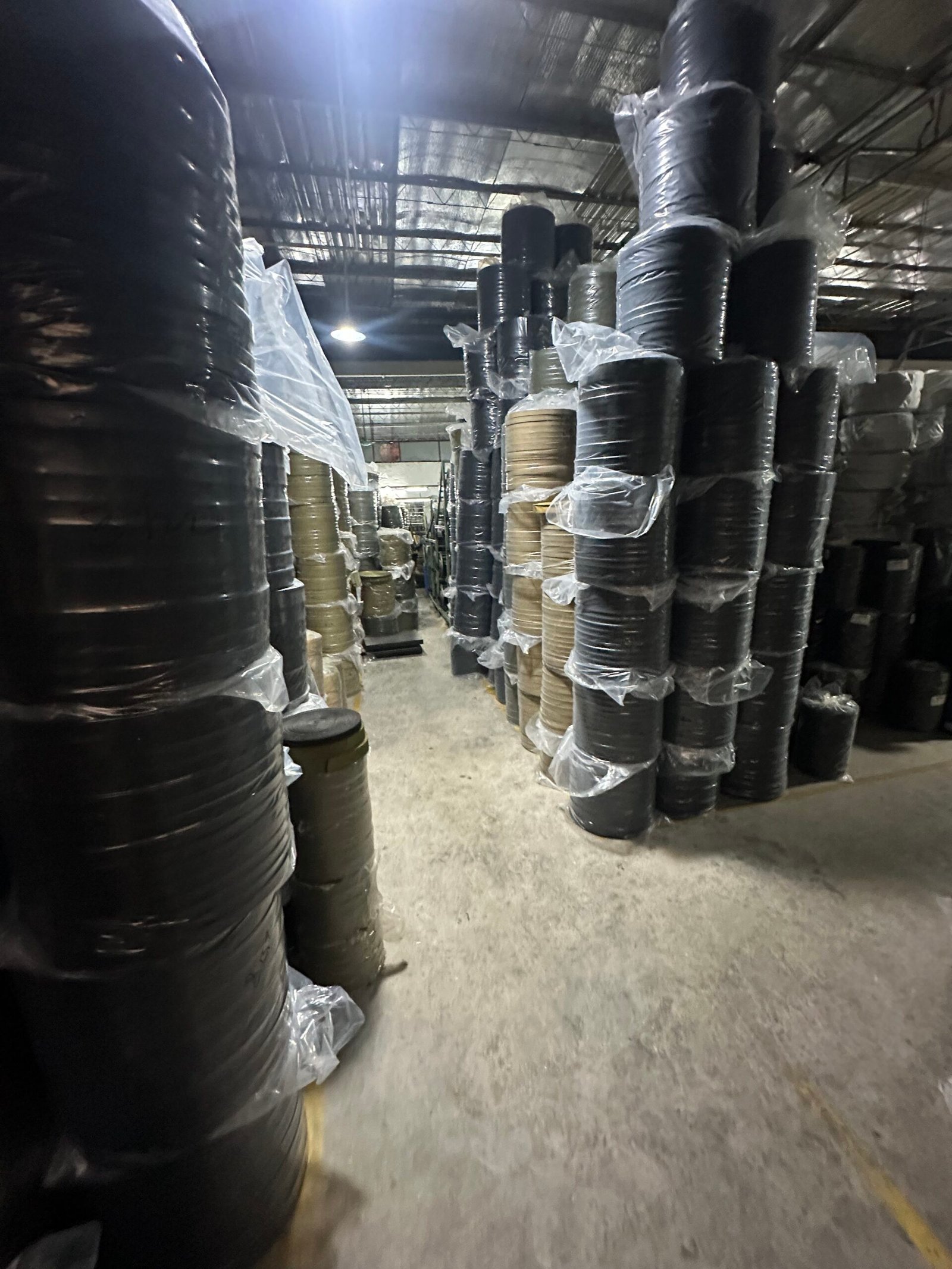
Why Tactical Backpack Buyers Need More Than a Low Quote
Finding a custom tactical backpack manufacturer in China is not only about comparing ex-works pricing.
Once custom fabrics, webbing layouts, foam structures, zipper grades, logo methods, and packaging are added,
the backpack becomes a supply-chain decision as much as a product decision.
A low quote may still hide weak zippers, poor shoulder geometry, unstable MOLLE spacing, or packing problems that
only show up after production starts. For brands selling into tactical, outdoor, preparedness, and law enforcement
channels, those mistakes damage reorder confidence far more than a slightly higher unit price would.
Quick Buyer Snapshot
| Buyer Type | What They Usually Need | Best Product Direction |
|---|---|---|
| Tactical distributors | Fast-moving packs with stable specs and repeat supply | Proven tactical backpack silhouettes in black, coyote, and ranger green |
| Private-label brands | Logo, custom color, packaging, barcode, and SKU consistency | OEM backpack program with tailored materials and branding details |
| Law enforcement suppliers | Durable carry, organized access, and stronger heavy-duty perception | Structured packs with reinforced handles, admin layout, and MOLLE support |
| Outdoor and preparedness retailers | Cross-category packs that fit EDC, vehicle, travel, and range use | 20L to 30L tactical backpacks with balanced weight and broad appeal |
1. Structure and Carry Comfort Decide Whether the Bag Sells Again
A tactical backpack can look strong in product photos and still feel wrong in use. If the strap angle is awkward,
the back panel too flat, or the internal layout too noisy, the bag becomes harder to sell in both tactical and crossover
markets. This is why the best factory partner understands load distribution and pocket logic, not just stitching.
Shoulder angle, foam thickness, and top handle placement all affect long-term comfort and perceived quality.
The best bags separate laptop, admin tools, chargers, small gear, and daily-use items without wasting space, whether the buyer is developing a broad category offer or a more focused tactical backpack product line.
Webbing alignment should look clean and still work with accessories instead of acting as decorative clutter.
Reinforced handles, clean bartacks, and wear-zone support matter more than surface styling gimmicks.
2. Lock the Right Specs Before Sample Development
A reliable backpack factory should ask for the core commercial specs early, because these decisions control sourcing cost,
labor time, carton planning, and quality risk. Buyers who already know their target framework for MOQ, sample, and lead time
can align faster with the right supplier.
| Spec Area | Typical Range | Why It Matters |
|---|---|---|
| Capacity | 20L to 45L | Defines EDC, travel, patrol, or field positioning |
| Shell Fabric | 500D or 1000D nylon | Controls weight, abrasion performance, and price tier |
| Zipper Grade | No. 8 to No. 10 coil zipper | Changes durability under repeated open-close cycles |
| Padding Structure | 8 mm to 12 mm EVA with spacer mesh | Affects comfort, shape retention, and packing thickness |
| Webbing System | 25 mm MOLLE/PALS | Keeps tactical identity and accessory compatibility clear |
| MOQ and Timing | 300 pcs / 7 to 15 days sample / 30 to 45 days bulk | Sets a realistic framework for B2B ordering and launch planning |
3. 500D vs 1000D Is a Commercial Decision, Not Just a Material Decision
In tactical backpacks, material selection is where many product programs either become more competitive or more complicated.
The answer is not always “go heavier.” It depends on how the product will actually be sold.
Better for lighter EDC and travel-oriented programs where lower carry weight and broader retail appeal matter.
More suitable for stronger heavy-duty positioning, reinforced bottoms, and more abrasion-intensive use.
front utility face, or side compression areas.
4. OEM vs ODM: Which Route Fits Your Brand Better?
Not every buyer should start from zero. Some tactical backpack programs move faster by customizing a proven structure,
while others need tighter control over measurements, compartments, and front-face identity.
Better for distributors or young brands that want a proven silhouette with custom color, logo, pullers, lining, and packaging while entering the tactical packs and bags category faster.
Better when the buyer already has a stable concept and needs custom dimensions, compartment logic, or stronger brand differentiation.
OEM RFQ Checklist for Tactical Backpack Buyers
Before sending an RFQ to PANOAR, prepare these details so the factory team can respond faster and more accurately:
- Target capacity and intended use: EDC, patrol, travel, range, or field use
- Material direction: 500D, 1000D, or mixed-panel construction
- Expected MOQ, target price range, and launch timeline
- Logo method: woven label, rubber patch, embroidery, print, or zipper pull branding
- Color plan: black, coyote, ranger green, camouflage, or custom tone
- Packaging: polybag, barcode, hang tag, retail-ready card, or branded box
- Reference images, current product links, or an existing sample if available
5. What the Best Manufacturing Partner Looks Like After Sampling
Sample approval is not the finish line. The strongest factory partner becomes a process partner after the sample is signed off.
That means clear revision records, stable trim sourcing, clean handoff to production, and quality checks that protect reorders.
For tactical backpack buyers, that usually includes measurement tolerance checks, sewing-line spot audits, hardware inspection,
logo placement control, and final packaging verification. A good manufacturer should also explain when a requested change
will increase freight, labor, or complaint risk instead of simply accepting every revision.
Why Source Tactical Backpacks from PANOAR?
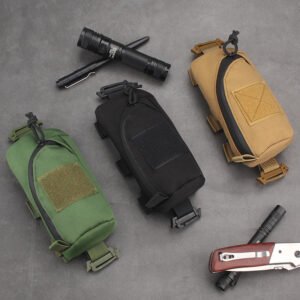
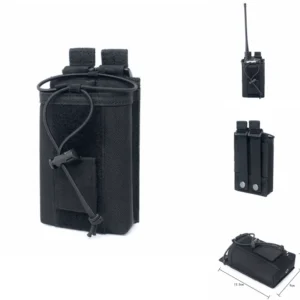
PANOAR is a China-based tactical gear OEM/ODM manufacturer supplying tactical backpacks, MOLLE pouches,
K9 gear, duty products, and related sewn tactical equipment for importers, distributors, and private-label brands.
The factory supports in-house cutting, sewing, QC, and OEM / ODM development with options for logo, color, material,
packaging, and order planning. Buyers can connect directly through the site’s RFQ workflow for custom backpack programs.
Explore related pages:
Tactical Gear Manufacturer in China,
OEM / ODM Manufacturing,
MOQ, Sample, Lead Time,
and Tactical Packs & Bags.
Recommended Reading for Backpack Buyers
If this page matches your sourcing stage, these related guides can help you compare suppliers, define specs,
and tighten your product brief before sending the final RFQ.
Use this when you are still comparing sourcing models, factory communication quality, and supplier screening criteria.
Helpful when your team needs to define pocket layout, usability, and the must-have features for retail or duty-focused products.
Best for buyers who need to make a clearer material decision before sampling or quotation approval.
Useful when your brand positioning needs to separate commercial tactical carry from stricter military-style product expectations.
Build Your Next Tactical Backpack Program with PANOAR
Need a custom EDC-style tactical backpack, a heavier-duty patrol pack, or a private-label backpack line with OEM branding? You can start from a category-level brief or reference a live item such as this wholesale tactical backpack when sending your request.
Send your quantity, target market, material plan, and packaging request to the PANOAR team for a direct factory quote.
Frequently Asked Questions
For many B2B programs, 300 pcs per SKU is a practical starting point. Final MOQ flexibility depends on how much fabric,
trim, and packaging is shared across the line.
500D is often better for lighter EDC and travel products, while 1000D is a stronger choice for heavy-duty positioning and reinforced wear zones.
Often yes, if speed matters and a proven structure already fits the target market. OEM becomes more valuable when brand control and unique specs matter more.
Confirm material spec, zipper grade, foam thickness, logo method, key measurements, color standard, packaging details, and the pre-production sample.
This page is for B2B sourcing guidance. Product specifications and MOQ can vary by model, material, and custom requirements.

[…] Custom Tactical Backpack Manufacturer in China […]