
MOLLE System Explained: A Buyer Guide for Tactical Gear Brands
Learn how the MOLLE system works, how it differs from PALS, and what B2B buyers should check when sourcing modular tactical gear.

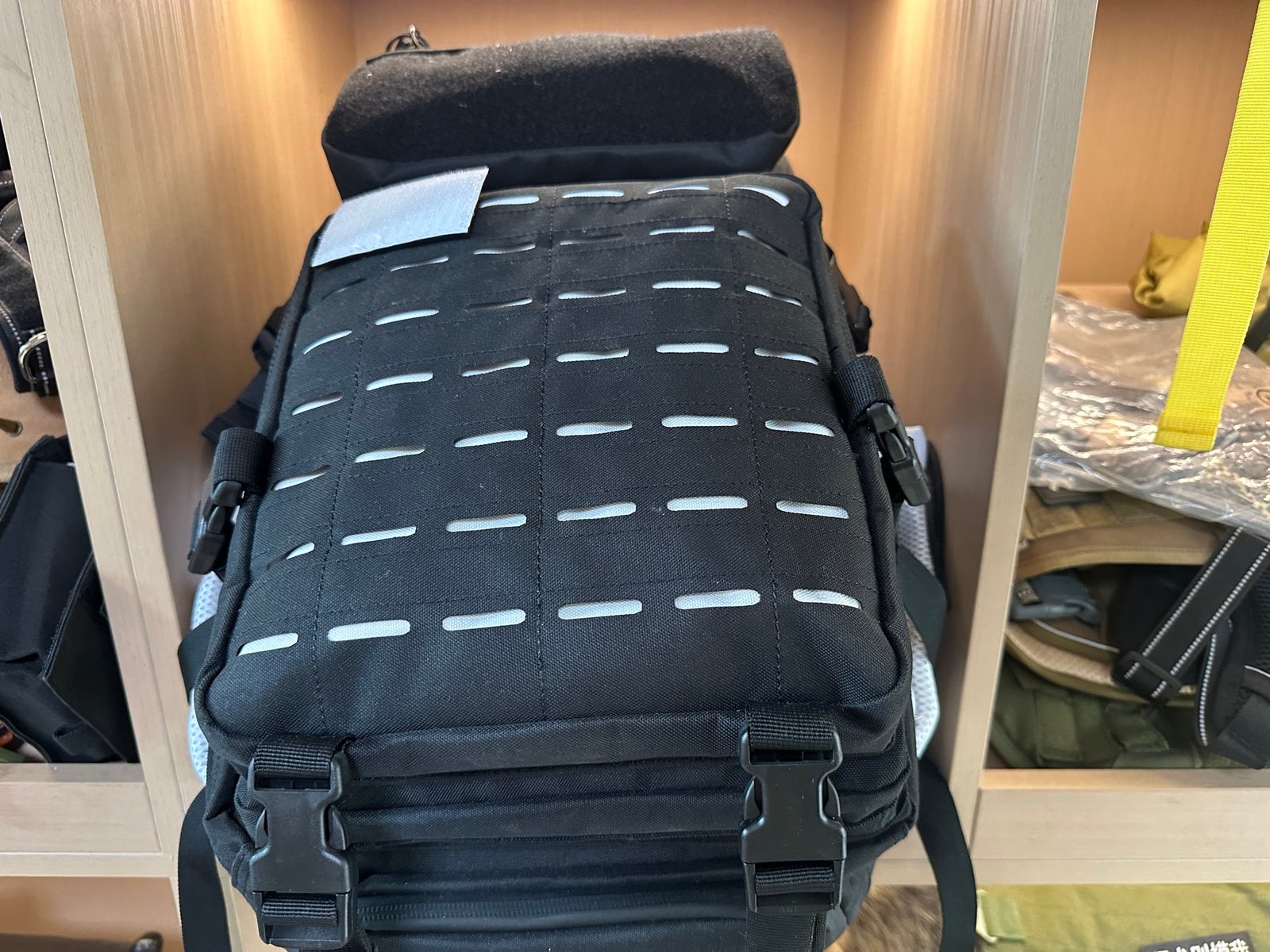
MOLLE buyer guide for tactical gear brands
MOLLE is both a product feature and a product-line planning decision. Buyers need to understand how the system works, what PALS webbing does, and which construction details should be confirmed before sourcing modular tactical gear.
What Does the MOLLE System Mean?
MOLLE stands for Modular Lightweight Load-carrying Equipment. In commercial tactical gear, the term usually describes a modular attachment approach that allows pouches, organizers, medical carriers and other accessories to be mounted on a compatible base platform.
The base platform may be a tactical backpack, plate carrier, chest rig, duty belt, K9 vest or another sewn equipment panel. The commercial benefit is that one platform can support different accessory configurations instead of requiring every pouch to be permanently sewn in place.
For B2B buyers, MOLLE also affects the product family: compatible pouches, packs and attachments can be planned as a coordinated range with shared materials, branding, hardware and packaging.
MOLLE vs PALS: How Are They Related?
MOLLE is the broader modular carrying concept. PALS, or Pouch Attachment Ladder System, describes the ladder-style webbing layout commonly used to attach compatible pouches and accessories.
In everyday sales language, buyers and customers often say “MOLLE pouch” or “MOLLE backpack.” For manufacturing and sourcing, however, the visible grid is only one part of the specification. Webbing alignment, stitch pattern, attachment straps, base fabric and the fit between the pouch and platform all matter.
| Element | What It Describes | Why It Matters to Buyers |
|---|---|---|
| MOLLE | The modular load-carrying concept and product ecosystem. | Helps define the product family and compatible accessory strategy. |
| PALS webbing | The ladder-style webbing grid on a platform or pouch. | Affects attachment compatibility, visual alignment and sample review. |
| Attachment straps | The straps or hardware used to secure the pouch. | Affects retention, ease of attachment and the finished pouch position. |
| Base fabric and backing | The material supporting the webbing and full assembly. | Influences product weight, structure, abrasion direction and positioning. |
How MOLLE Attachment Works in a Product Line
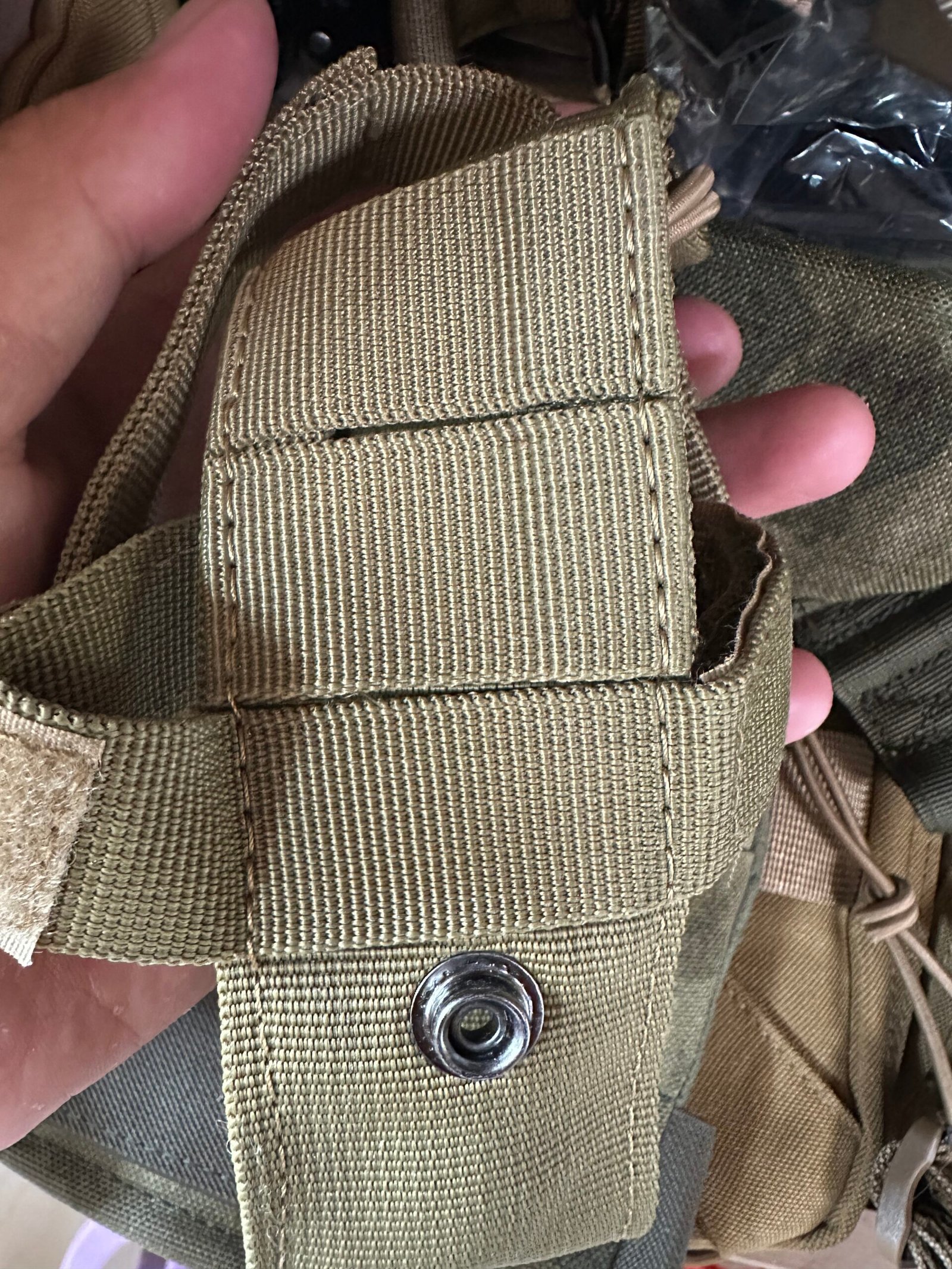
A compatible pouch normally uses attachment straps that weave through the pouch webbing and the webbing on the base platform. The goal is to keep the pouch in the intended position and reduce unwanted movement during use.
A product photo alone cannot confirm compatibility. Buyers should review the actual webbing layout, attachment strap design, stitch consistency and the fit between the selected pouch and platform. For detailed spacing and production checks, see the MOLLE webbing spacing guide.
Where MOLLE Products Fit a B2B Product Strategy
MOLLE-compatible products are often planned as a range rather than a single item. A buyer may launch one backpack or vest platform and add utility, admin, medical, magazine or radio pouches as separate SKUs.
That structure can support cross-selling and product-line expansion, but it also creates a responsibility: the compatible products should be planned around a clear attachment logic. Buyers should decide which products need to share colors, webbing, hardware, branding and packaging before requesting samples.
For related product categories, review Panoar’s Pouches & Attachments, Tactical Backpacks and Vests & Plate Carriers sections.
Construction Details to Check Before Buying MOLLE Gear
Buyers do not need to rely on broad words such as “premium” or “military grade.” A clearer purchasing brief describes the construction details that will be reviewed on the sample and, where relevant, against the approved production reference.
- Fabric: define the material direction, weight range, color, backing and finish required for the product program.
- Webbing: check row alignment, attachment area, edge finishing and stitch consistency.
- Reinforcement: identify high-stress seams, attachment points, bartacks and load-bearing edges that need review.
- Closure: match zippers, hook-and-loop, buckles, snaps or retention straps to the pouch function.
- Shape retention: review backing, binding and internal structure when the pouch must remain accessible or upright.
- Compatibility: confirm the pouch, platform and attachment straps together instead of approving only a catalog photo.
Material selection should be based on the intended product position and construction requirements. A 1000D nylon reference may be suitable for some rugged products, while a lighter material may be appropriate for another product brief. Confirm the complete material and hardware combination through the Custom Materials & Hardware discussion rather than treating one fabric number as a universal answer.
How B2B Buyers Should Evaluate a MOLLE Supplier
Supplier evaluation should cover more than price. Ask whether the supplier can understand the intended platform, accessory relationship, sample requirements, branding and packaging together.
Before requesting a quote, ask the supplier to clarify:
- Which existing product direction is closest to the requested design.
- Which dimensions or attachment details need to be customized.
- How the sample will be checked against the reference, drawing or tech pack.
- Which fabric, webbing, hardware, color and branding details must be confirmed.
- Whether the selected pouch and platform should be sampled as a coordinated set.
- How quantity, packaging, destination and requested timing affect the quotation.
Panoar’s OEM/ODM manufacturing page is the appropriate next step when the project requires product changes or a coordinated development process. Project-specific MOQ, sample requirements and timing should be confirmed in the quotation.
Common Beginner Mistakes When Sourcing MOLLE Gear
Buying only from appearance
A product can show a MOLLE-style grid in a photo without giving the buyer enough information about spacing, attachment straps, reinforcement or pouch compatibility. Request a sample or specification review for the parts that affect the product’s intended use.
Launching too many similar SKUs
A focused starting range can be easier to sample, package, explain and reorder. Map the platform and accessory relationship first, then decide which pouch categories are genuinely needed for the target buyer.
Leaving branding and packaging until the end
Private-label buyers should confirm logo placement, patch areas, woven labels, hang tags, barcode labels, polybags, carton marks and SKU references alongside the product specification. Review the private-label K9 workflow when K9 products are part of the wider line, or send the general project through the OEM/ODM path.
What to Send in a Custom MOLLE Gear RFQ
A quotation request is easier to review when the buyer separates confirmed requirements from preferences. Include the following information where available:
- Reference product link, marked photos, drawing, tech pack or physical sample.
- Target product type, intended accessory relationship and requested platform.
- Fabric, webbing, padding, lining, zipper, buckle and hardware preferences.
- Attachment area, pouch dimensions, patch area and compatibility requirements.
- Logo artwork, label, hang tag, barcode, polybag, carton and packing instructions.
- Estimated quantity, size or color mix, destination and target timing.
- Sample approval points and any details that must remain unchanged in bulk production.
For sample planning and quantity questions, see MOQ, Sample & Lead Time. When the brief is ready, submit it through the Tactical Gear RFQ page.
Frequently Asked Questions
What is a MOLLE system?
MOLLE is a modular load-carrying concept that allows compatible pouches and accessories to be attached to a base platform such as a backpack, vest, belt or panel.
Are MOLLE and PALS the same?
Not exactly. MOLLE describes the broader modular system, while PALS usually refers to the ladder-style webbing layout used for attachment. The terms are often used together in commercial product descriptions.
What should I check before ordering custom MOLLE pouches?
Check the pouch function, dimensions, fabric, webbing layout, attachment straps, reinforcement, closure, branding, packaging and compatibility with the intended base platform.
Is 1000D nylon always the best material for MOLLE gear?
No. The appropriate material depends on the product structure, target market, weight direction, construction and quotation requirements. Confirm the complete material and hardware combination for the specific project.
What should I send to a MOLLE gear supplier for a quote?
Send a reference or tech pack, product type, dimensions, material and hardware preferences, attachment requirements, branding, packaging, estimated quantity, destination and sample checkpoints.
Planning a Custom MOLLE Gear Project?
Share the product reference, attachment requirements and quantity plan. A complete brief gives the supplier a clearer basis for reviewing feasibility, samples, customization and quotation conditions.