

MOLLE Dog Harness: Structure and Sourcing Guide for OEM Buyers

MOLLE K9 buyer guide
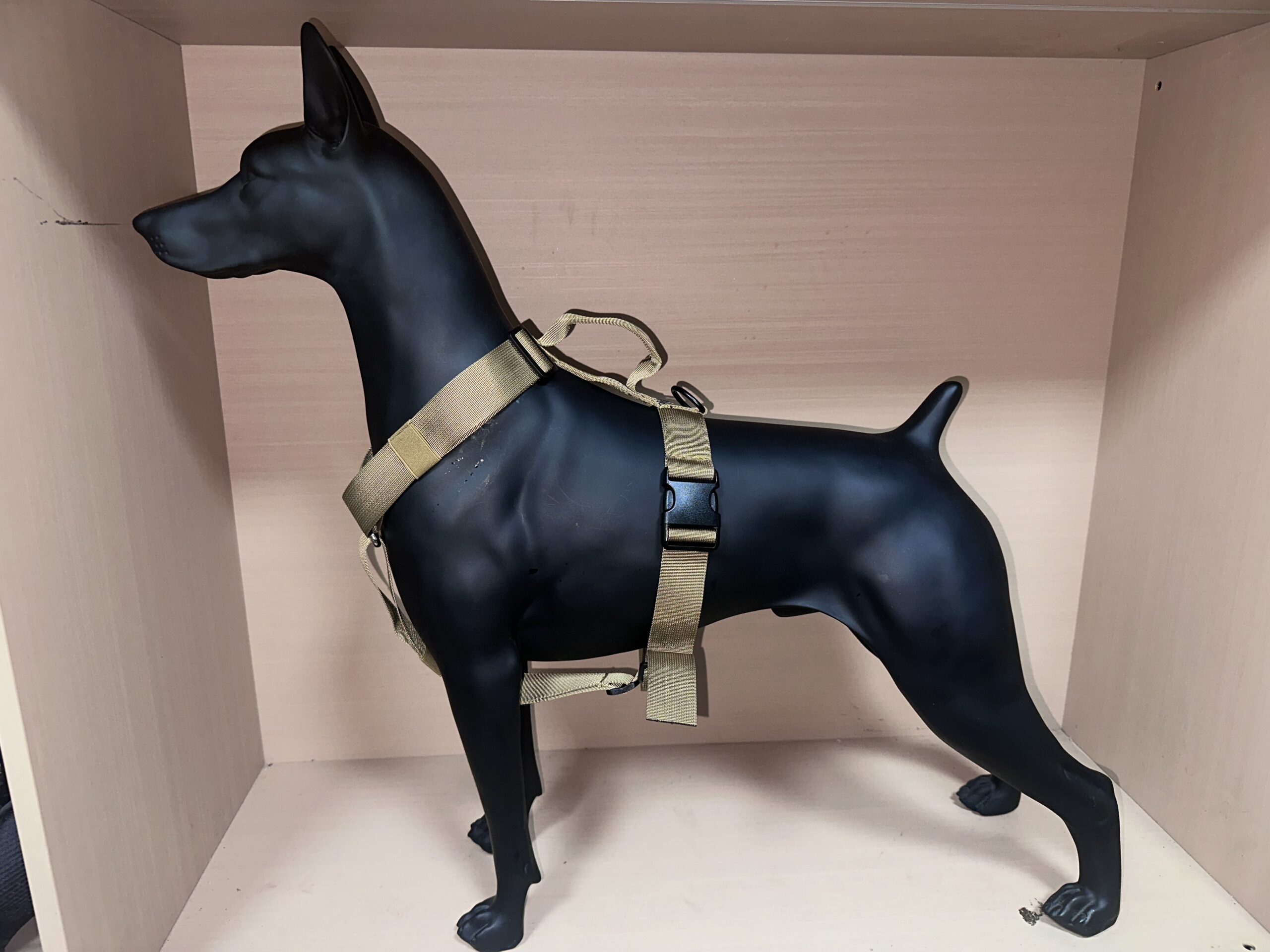
A MOLLE dog harness is more than a harness with webbing on the outside. For an OEM or private-label project, the buyer needs to define the body structure, adjustment points, handle, leash attachment, MOLLE layout, materials and size range before comparing samples or prices.
This guide is written for K9 gear brands, importers, distributors and sourcing teams evaluating a wholesale or custom MOLLE dog harness.
What Is a MOLLE Dog Harness?
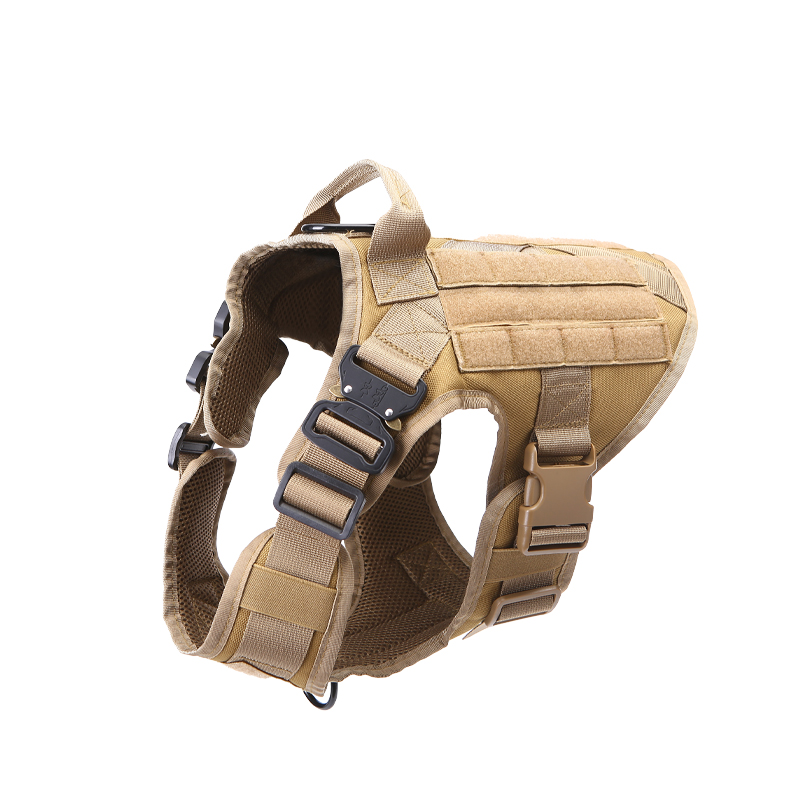
A MOLLE dog harness uses rows of webbing or a compatible attachment panel so selected pouches, patches or accessories can be fixed to the harness. The exact layout varies by product. Some designs use a compact strap structure, while others use a larger padded vest body with front, back or side panels.
For B2B buyers, “MOLLE” should be treated as one part of the product specification. It does not by itself confirm the harness size range, attachment suitability, material choice, reinforcement, hardware or finished fit.
Procurement point: define what the MOLLE panel is expected to carry, which areas need to remain clear, and whether the buyer needs an existing product direction, a modified harness or a new custom development.
Core Structure to Review Before Sourcing
Two products may look similar in a listing but require different patterns, material combinations, hardware and sewing work. The following checkpoints give buyers a practical basis for sample review and RFQ preparation.
| Structure Area | Buyer Check | RFQ Detail to Define |
|---|---|---|
| Body panel | Compact strap harness, padded vest body or a pouch-ready structure. | Reference product, drawing or sample; target coverage and intended product position. |
| Neck, chest and belly adjustment | Adjustment points, strap routing, buckle access and loose-strap management. | Measurement points, finished dimensions, adjustment range and size labels. |
| Handle integration | Handle position, grip direction and connection to the harness structure. | Handle location, material direction, reinforcement requirement and sample approval point. |
| Leash attachment | Rear, front or other attachment position required by the product concept. | Attachment type, position, hardware specification and intended use case. |
| MOLLE and patch area | Rows, usable width, panel placement and areas that must remain unobstructed. | Webbing direction, spacing reference, patch dimensions and compatible accessories. |
| Padding and lining | Coverage, thickness direction, edge binding and contact surfaces. | Material reference, color, hand feel direction and sample inspection requirements. |
| Hardware | Buckles, adjusters, rings, clips and finish. | Component type, dimensions, finish, color and whether a named source is required. |
Materials and Hardware: Avoid Generic Quality Words
Terms such as “heavy duty,” “military grade” or “premium” are not enough for a purchasing specification. A buyer should identify the fabric construction, webbing, binding, padding, thread, hardware and reinforcement details that need to be reviewed on the actual sample.
A 500D or 1000D reference may be relevant to a project, but the fabric number alone does not describe the complete harness. Construction, backing, color, sewing method, lining, hardware and intended product weight also need to be considered. Use the Materials & Hardware page as a starting point, then confirm the selected combination in the project quotation.
Confirm the required fabric direction, color, backing, finish and compatibility with binding and sewing.
Define the webbing width, layout, stitch direction and reinforcement points that must appear in the sample.
State component type, dimensions, finish, color and whether the project requires a specific component source.
Describe the coverage and material direction instead of treating a general “breathable” claim as a specification.
Size and Fit Need a Separate Sample Check
Size names are not enough for a wholesale or private-label order because body shapes can vary within the same labeled size. The buyer should define the measurement points and compare actual finished dimensions and adjustment ranges.
For the sample review, check whether the harness stays in the intended position, the adjustment points are accessible, the front-leg movement area is clear, and the handle, leash point, MOLLE panel and patch area match the approved layout. These are product-review checkpoints, not a universal safety guarantee for every dog or use case.
- Confirm the measurement points used in the size chart.
- Record finished dimensions and adjustment range for each requested size.
- Check whether different sizes require different hardware or webbing widths.
- Decide whether one fit sample or a selected size set is needed before bulk approval.
- Match size labels, SKU references and packaging marks to the size plan.
MOLLE Layout and Accessory Planning
MOLLE adds modular attachment space, but more attachment space is not automatically better. A buyer should define what the panel is intended to hold and which areas should remain available for handling, branding or fit adjustment.
For a custom MOLLE dog harness, review the panel position, rows, usable width, stitch placement, patch visibility and accessory compatibility together. If pouches are part of the project, review the harness and pouch as a system so the finished product does not become visually crowded or difficult to adjust.
For a related webbing reference, see the MOLLE webbing spacing guide. The final dimensions and attachment requirements still need to be confirmed against the selected harness pattern and accessories.
Training, Working-Dog and Outdoor Use: Keep the Product Brief Specific
Training, working-dog and outdoor buyers may need different harness layouts. A close-control product may prioritize handle access and stable adjustment. An outdoor-oriented product may need a lighter accessory plan and a different lining or coverage direction. A K9 gear brand may need the same base structure in several colors, sizes or private-label configurations.
Instead of using one universal “best” specification, state the intended product role in the RFQ. This helps the supplier review the structure, sample checkpoints and customization path against the actual product program.
Prioritize handle access, adjustment clarity, leash-point placement and a sample review focused on handling geometry.
Prioritize MOLLE layout, patch space, accessory compatibility, panel balance and a clear attachment plan.
Define the intended coverage, lining direction, accessory quantity and packaging requirements before quotation.
Confirm the base structure, size range, colors, logo method, labels, hang tags, packaging and SKU plan.
How Panoar Fits the Supplier Checklist
Panoar’s Private Label Tactical K9 Gear page is the more suitable next step when the project includes branding, coordinated K9 products or packaging requirements. The request should still identify the exact product structure and the changes required.
For an OEM or ODM project, the review can be organized around the reference product, size range, materials, hardware, MOLLE or patch layout, logo files, packaging and sample approval points. Feasibility, MOQ, sample requirements and timing must be confirmed for the specific project rather than assumed from a general article.
What to Include in a MOLLE Dog Harness RFQ
A clear RFQ makes it easier to separate a product reference from a genuine customization request. Include the following information where available:
- Reference product URL, photos, drawing, tech pack or physical sample.
- Target size range, measurement method and estimated quantity by size and color.
- Harness body structure, adjustment points, handle and leash attachment requirements.
- Fabric, webbing, padding, lining, buckle, adjuster, ring and finish preferences.
- MOLLE rows, usable panel dimensions, patch area and planned accessories.
- Logo artwork, label, hang tag, barcode, polybag, carton and packing requirements.
- Destination, target timing and the sample checkpoints that must be approved.
When the project is ready, use the Request for Quote page and attach the relevant product references. For questions about sample stages, quantity planning and timing, review MOQ, Sample & Lead Time.
Frequently Asked Questions
What is a MOLLE dog harness?
A MOLLE dog harness uses webbing or an attachment panel that can accept selected pouches, patches or accessories. The harness structure, size range and attachment suitability still need to be confirmed for the specific product.
What should an OEM buyer check before sourcing a MOLLE dog harness?
Check the body structure, measurement points, adjustment range, handle, leash attachment, MOLLE layout, materials, hardware, branding, packaging and sample approval requirements.
Can a MOLLE dog harness be made for private label?
Private-label options can be reviewed according to the selected harness structure and project requirements. Send the logo artwork, placement, label, packaging and target quantity so the appropriate path can be confirmed.
Is 1000D fabric always better for a MOLLE dog harness?
No single fabric specification is automatically best for every harness. The complete product also depends on pattern, lining, webbing, padding, hardware, reinforcement, size and intended product role.
What information is needed for a MOLLE dog harness quote?
Send the reference product or drawing, size range, materials, hardware, MOLLE and patch layout, branding, packaging, estimated quantity, destination and sample requirements.
Prepare a More Complete K9 Harness RFQ
Share the product reference and the specifications that matter to your buyer program. Panoar can review the requested structure, customization direction and quotation information for the specific project.

[…] MOLLE Dog Harness Structure Guide […]