
Private Label vs White Label Bags: What Buyers Need to Specify

White label bags usually start with a supplier’s existing product, with your brand added through labels or packaging. Private label bags are supplied for your brand and may give you more input into the specification. For a buyer, the useful distinction is how much of the product stays unchanged—and what needs development before production.
If an existing pouch already meets your needs, start by specifying the branding and packing. If its size, opening or attachment needs to change, list those changes separately. This gives the supplier a clearer basis for reviewing the project than asking for a “private label bag” alone.
Private label vs white label bags: the practical differences
| Buyer decision | White label: typical starting point | Private label: typical starting point |
|---|---|---|
| Base product | An existing supplier model offered to multiple buyers | A product supplied for a particular brand, using an existing or brand-specific specification |
| Branding | Your labels, tags or packaging on the base product | Branding specified as part of the brand’s product brief |
| Product changes | Usually focused on the supplier’s offered options | May include agreed material, size or construction changes |
| Buyer’s main task | Check that the base product works, then approve the branding | Define the specification and approve the agreed changes |
| Best starting brief | Product reference, quantity, artwork and packing requirements | Product reference or drawings, plus an itemized change list |
These are common sourcing patterns. Confirm the actual scope in the quotation: supplier terminology varies, and design exclusivity needs an explicit agreement.
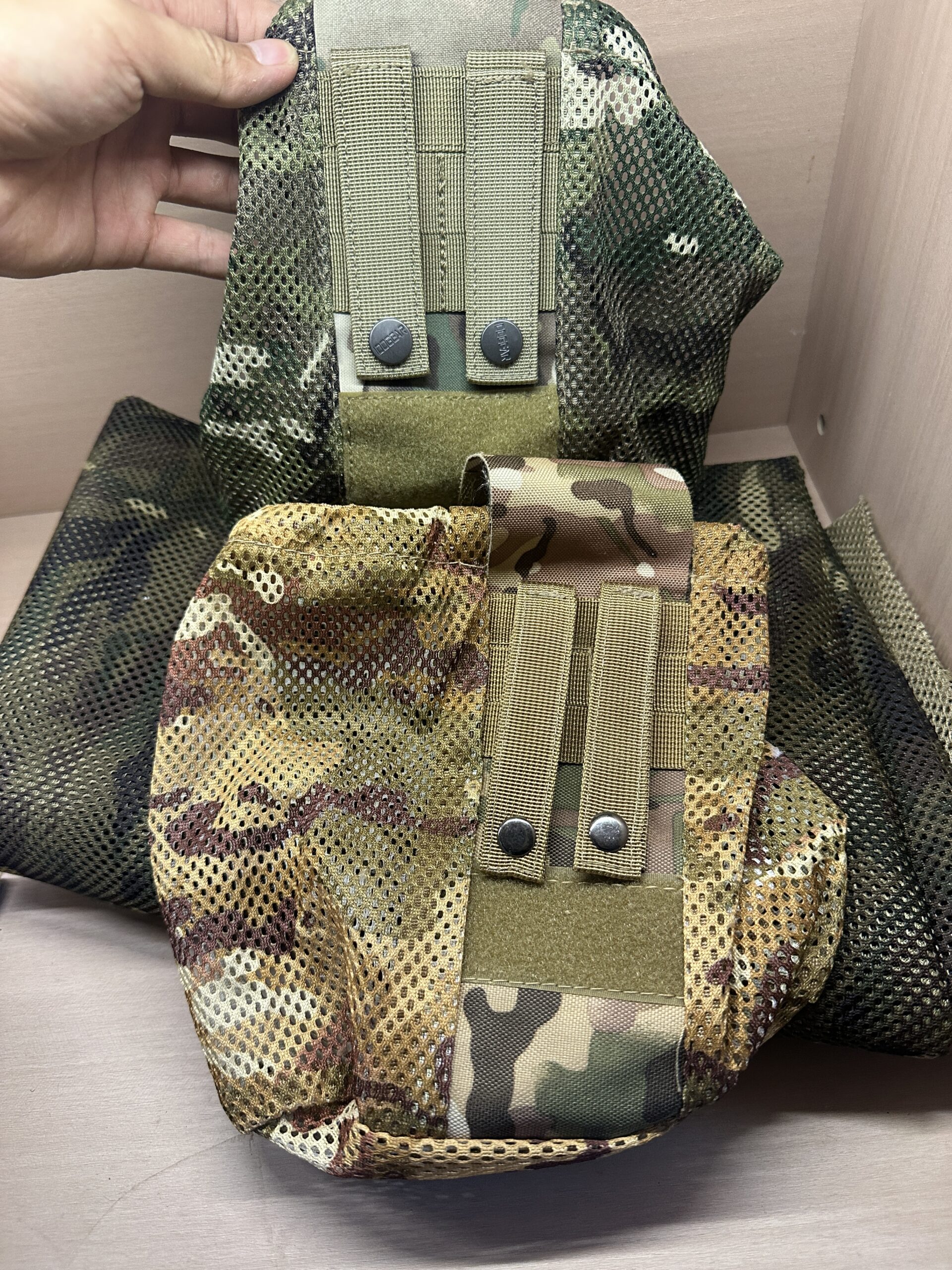
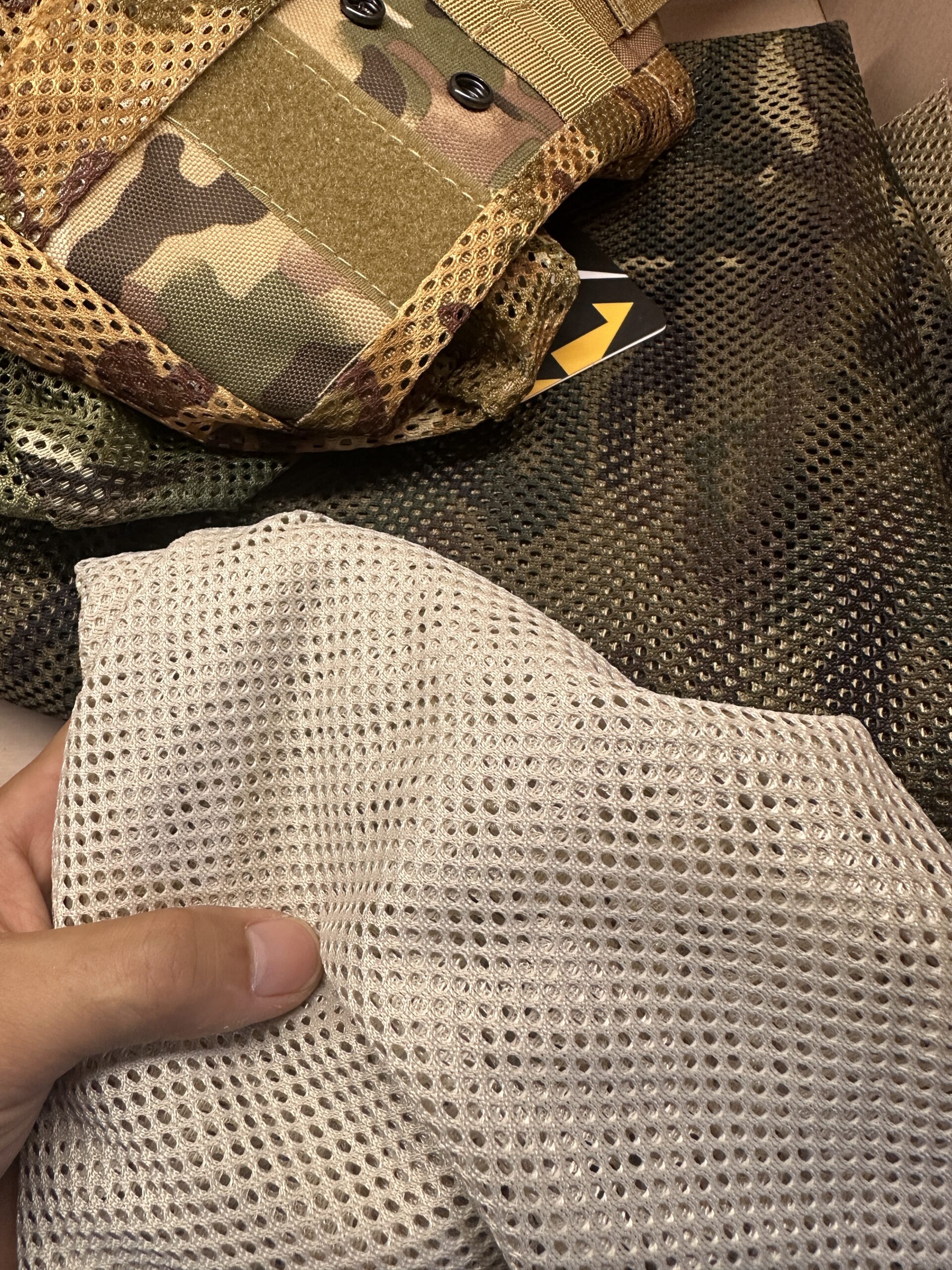
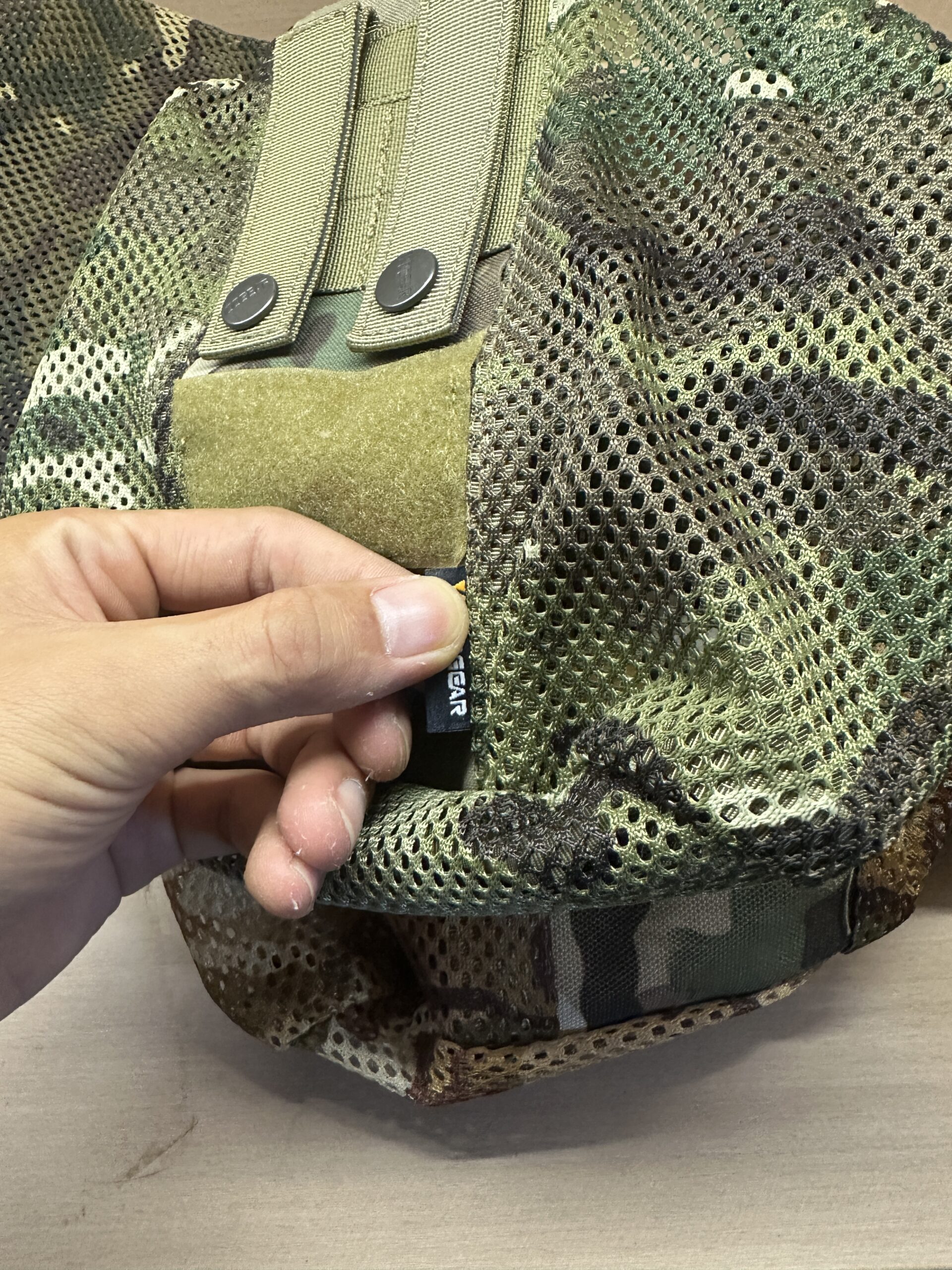
Use PANOAR’s mesh dump pouch as a reference. Its listing identifies model PA-DP-003 and presents logo, color and packaging options. The sample photos help identify the mesh, rear attachment and label position. Use a specification and approved sample to confirm dimensions, materials and fit for your order.
Which approach fits wholesale, light customization or full development?
Wholesale buyers: First decide whether you want the base product unchanged or under your own brand. Wholesale describes the bulk purchase; it does not by itself specify a white label or private label arrangement. Provide the model, quantity, destination and packing needs.
Buyers adding their own label: If the base design works, focus the brief on artwork, label position, hangtags and packaging. Ask which branding methods suit the product and what must be checked on a sample.
Buyers requesting light customization: List color, mesh, webbing and branding requests separately. A color change may involve a different material source, so identify the required reference rather than relying on a photo alone.
Buyers requesting substantial customization: Changes to dimensions, the opening, attachment or pocket layout need a product specification. Explain the intended use and identify which requirements are essential. The quotation should distinguish what is accepted from what still needs a sample or feasibility review.
For the separate question of who provides the design and specifications, see OEM vs ODM tactical gear.
Turn a reference pouch into a clear customization brief
Here is an example brief, rather than a completed customer order. A brand wants to use PA-DP-003 as its starting reference, add a woven label and review a different mesh color.
| Part of the brief | What to write |
|---|---|
| Base product | PA-DP-003, with the reference link and sample version |
| Keep unchanged | Identify the body and rear attachment details to retain |
| Branding request | Attach artwork; specify the proposed label position and size |
| Material request | Provide the mesh color reference and any required material specification |
| Packing request | Identify the hangtag, unit packaging and carton labeling needed |
| Approval | Ask the supplier to identify accepted items and items awaiting review |
A request to change the opening or attachment would be another line in the brief. It should not be treated as included merely because logo customization is offered.
For branding methods and the files to prepare, use the private label tactical gear logo guide.
Confirm design exclusivity separately
A label identifies your brand on the pouch. If you also require an exclusive variation, raise that requirement before approving the project. Record the design or variation concerned and agree the relevant scope with the supplier. Address buyer-provided artwork and development files explicitly rather than leaving their use unstated.
Keep this discussion separate from the product change list so the quotation and sample review remain clear.
What to check before approving a sample
Compare the sample with the same specification version used for quotation. Check the finished dimensions, opening, attachment layout, branding and packing relevant to your order. Record any substituted material or unfinished component before approval.
Use photos of the front, rear, opening and inside where those views help assess the requested changes. Mark what you accepted and what remains open. If a later change affects an approved feature, identify whether it needs another sample review.
Prepare your quotation request
Send these details together:
- Product link, model or reference sample.
- Intended use and expected quantity.
- Logo artwork and proposed placement.
- Material, color and construction changes, listed separately.
- Packing requirements, delivery country and required delivery date.
- Any sample or exclusivity requirements.
If you are comparing offers, use the same brief for each supplier and ask them to mark any differences. Compare the product and scope being quoted, alongside the price.