
How to Choose a Tactical Gear Manufacturer for OEM Orders

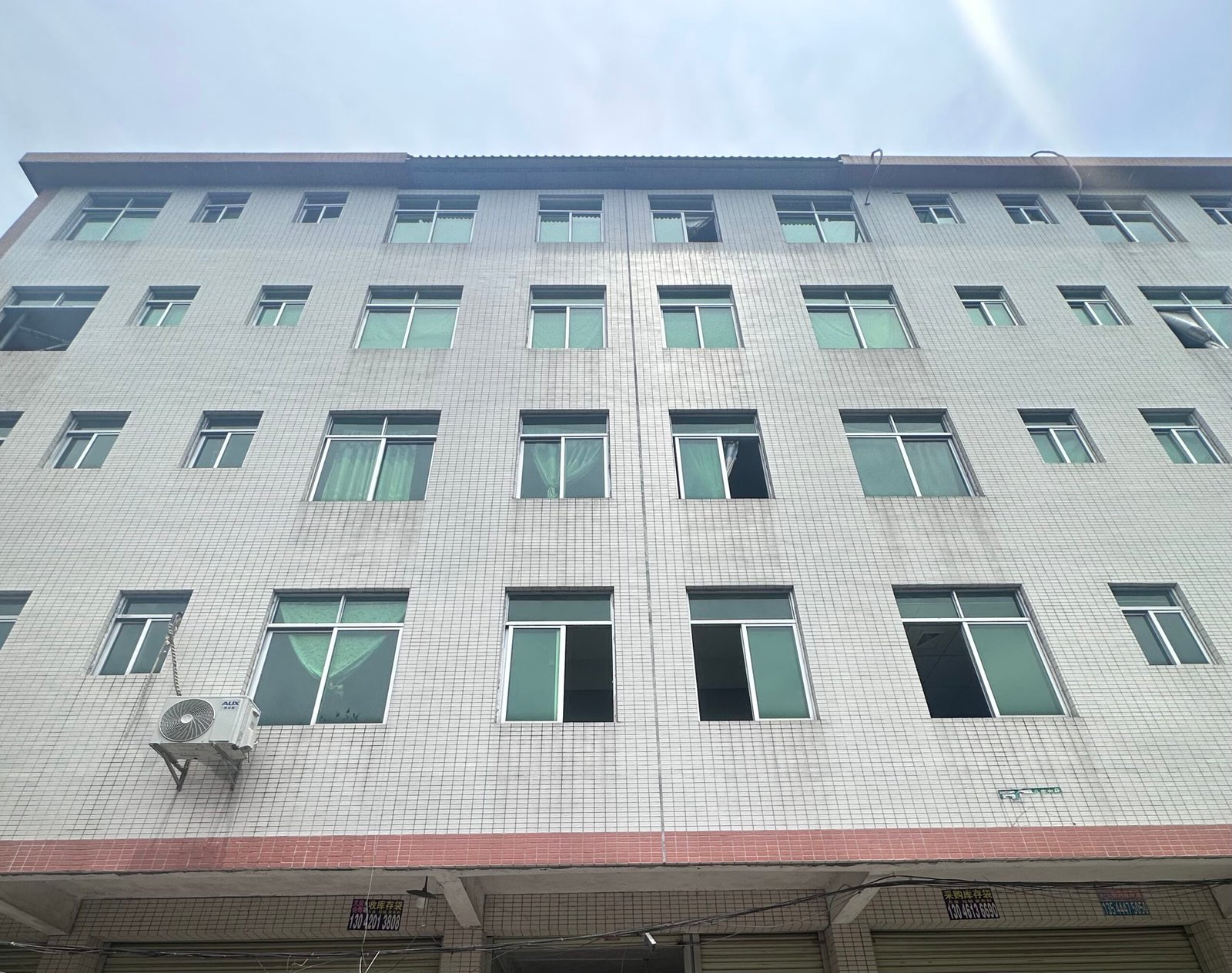
A practical sourcing guide for brands, importers, distributors, and security equipment buyers comparing tactical gear factories for backpacks, MOLLE pouches, vests, belts, medical pouches, and K9 gear.
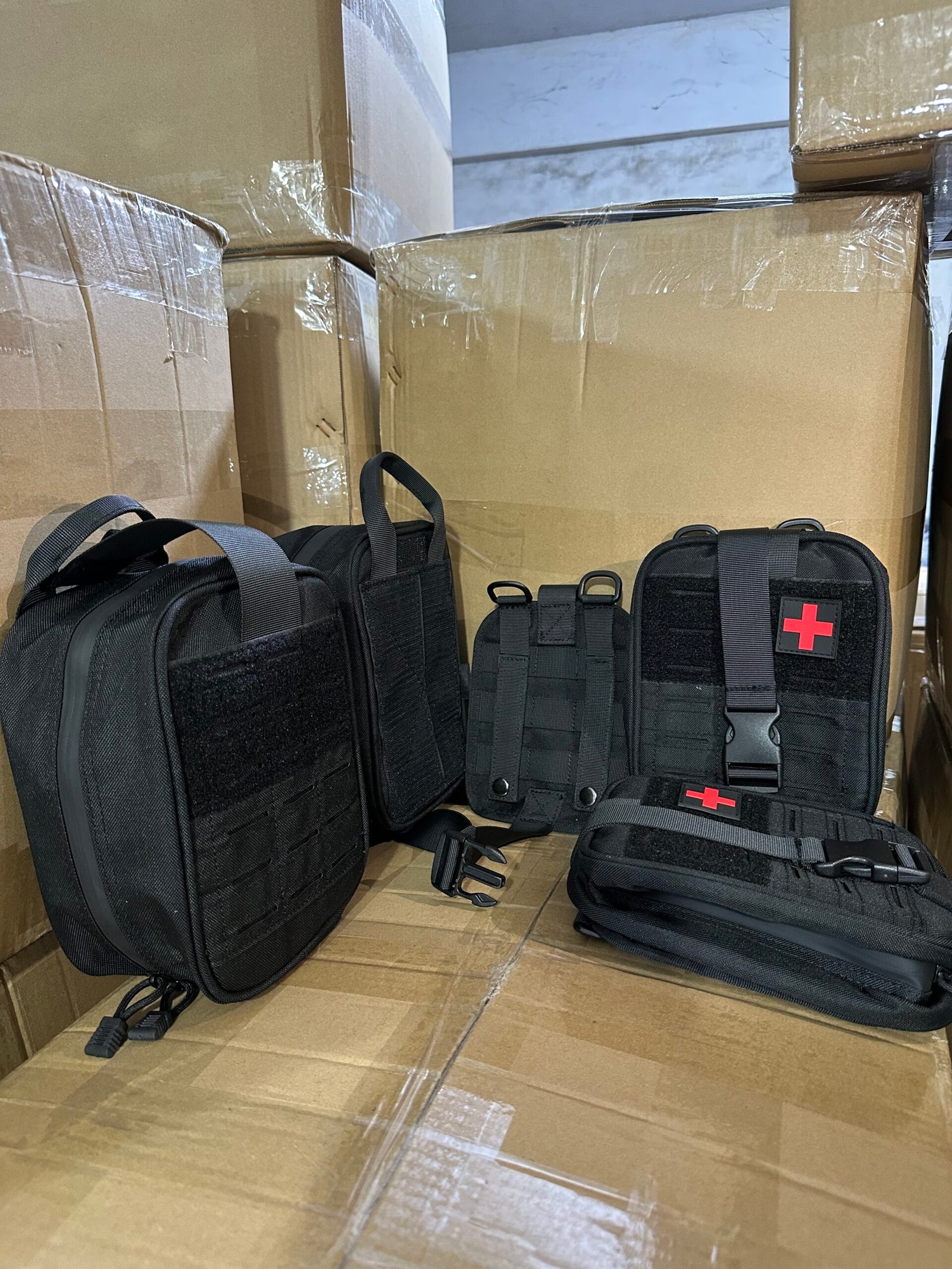
The best tactical gear manufacturer is not simply the lowest-price factory. For OEM buyers, the safer choice is a supplier that can prove product experience, sample development, material control, stitching quality, packaging accuracy, and shipment reliability.
Why Choosing the Right Factory Matters
Tactical gear is not a simple soft-goods category. A backpack, MOLLE pouch, plate carrier, belt, medical pouch, or K9 harness may look simple in photos, but performance depends on fabric selection, webbing layout, hardware, reinforcement, sizing, and consistent sewing.
A weak supplier can make one sample look acceptable, then lose control during bulk production. For brands and distributors, that can become late shipments, inconsistent product families, poor packaging, warranty complaints, and customers who do not reorder.
The 8-Point Tactical Gear Factory Checklist
Strong competitor pages often show product categories, factory numbers, and customization options. That is useful, but buyers need a clearer checklist. Use these eight points before you compare quotes.
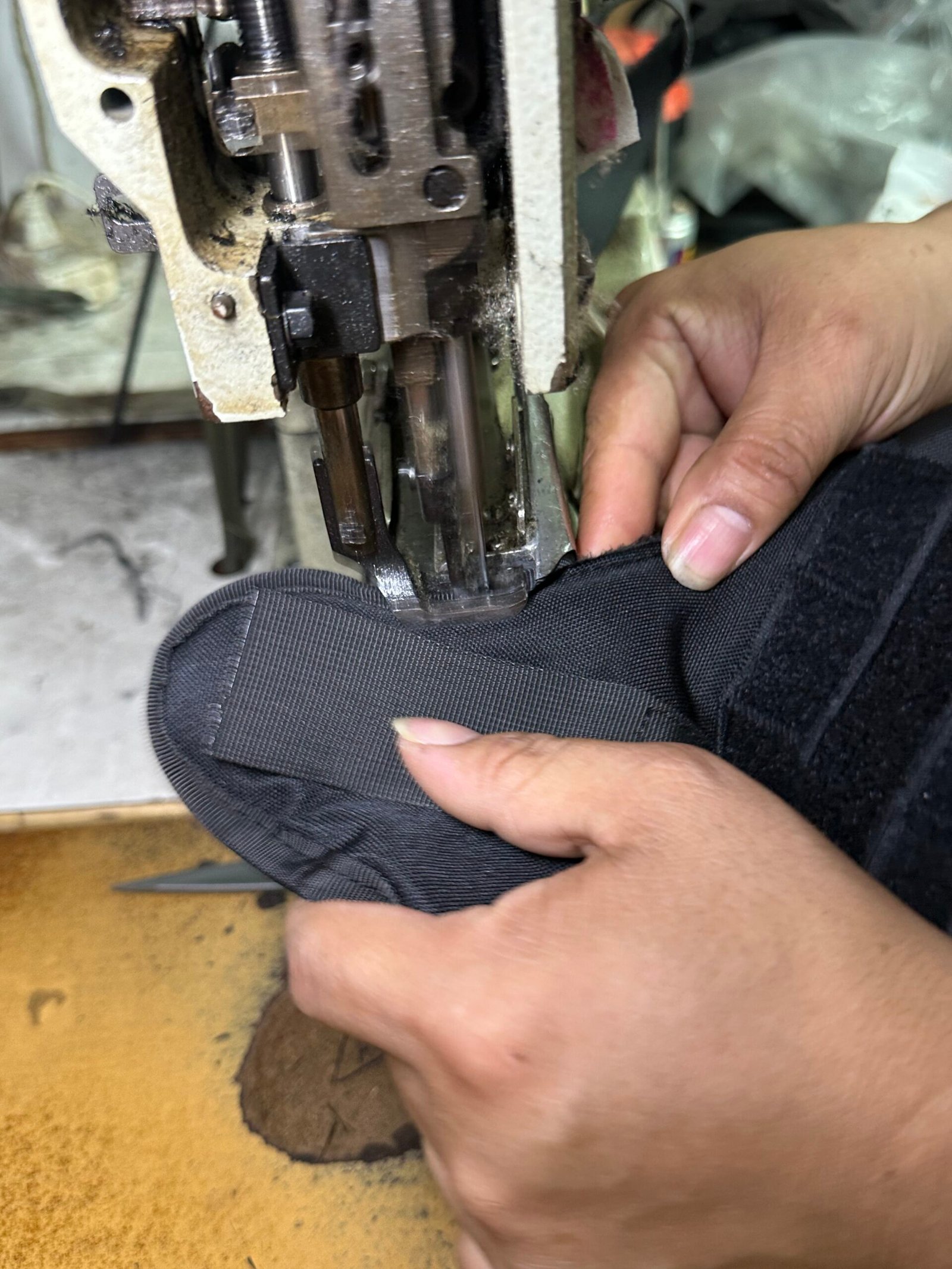
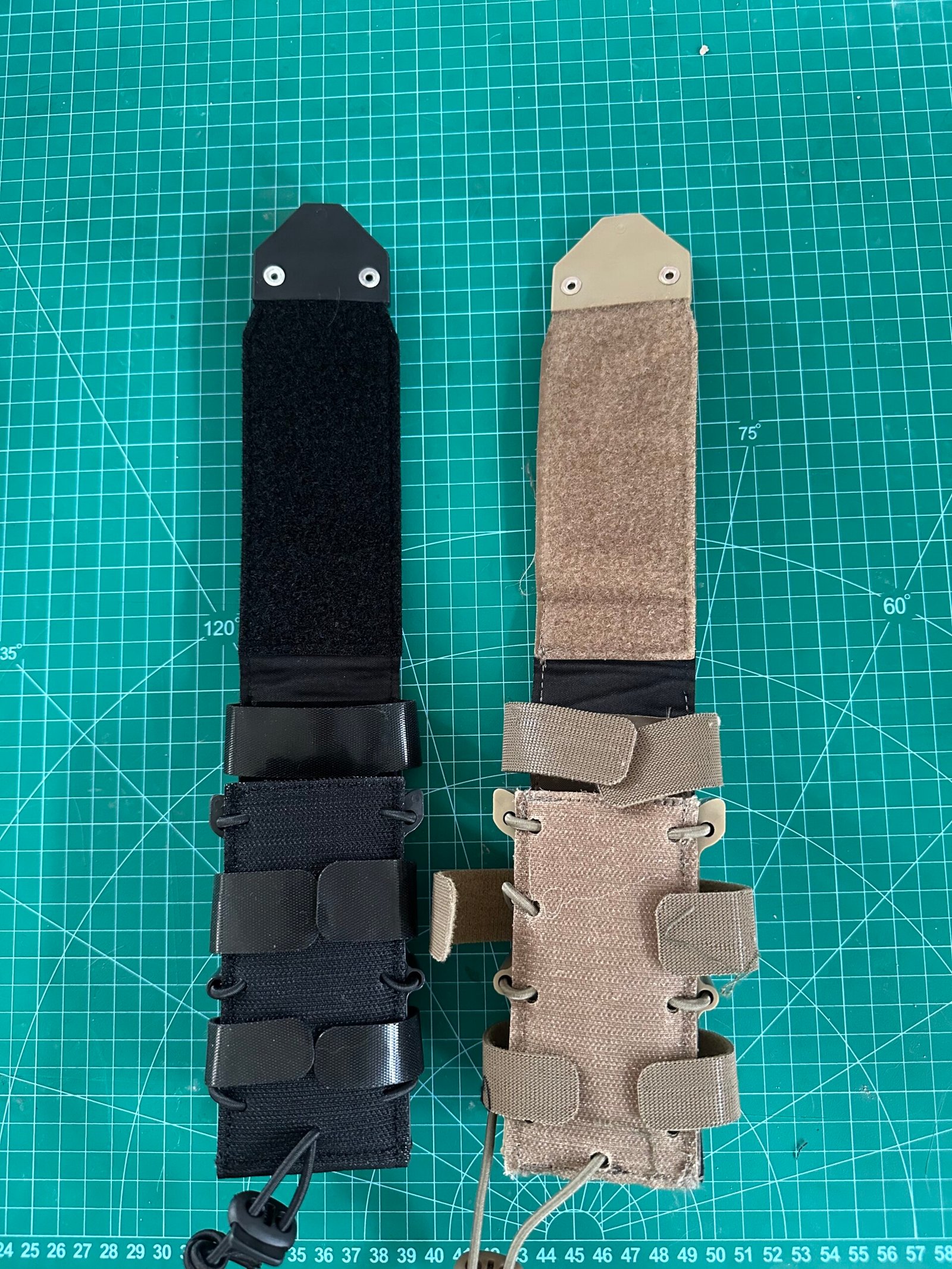
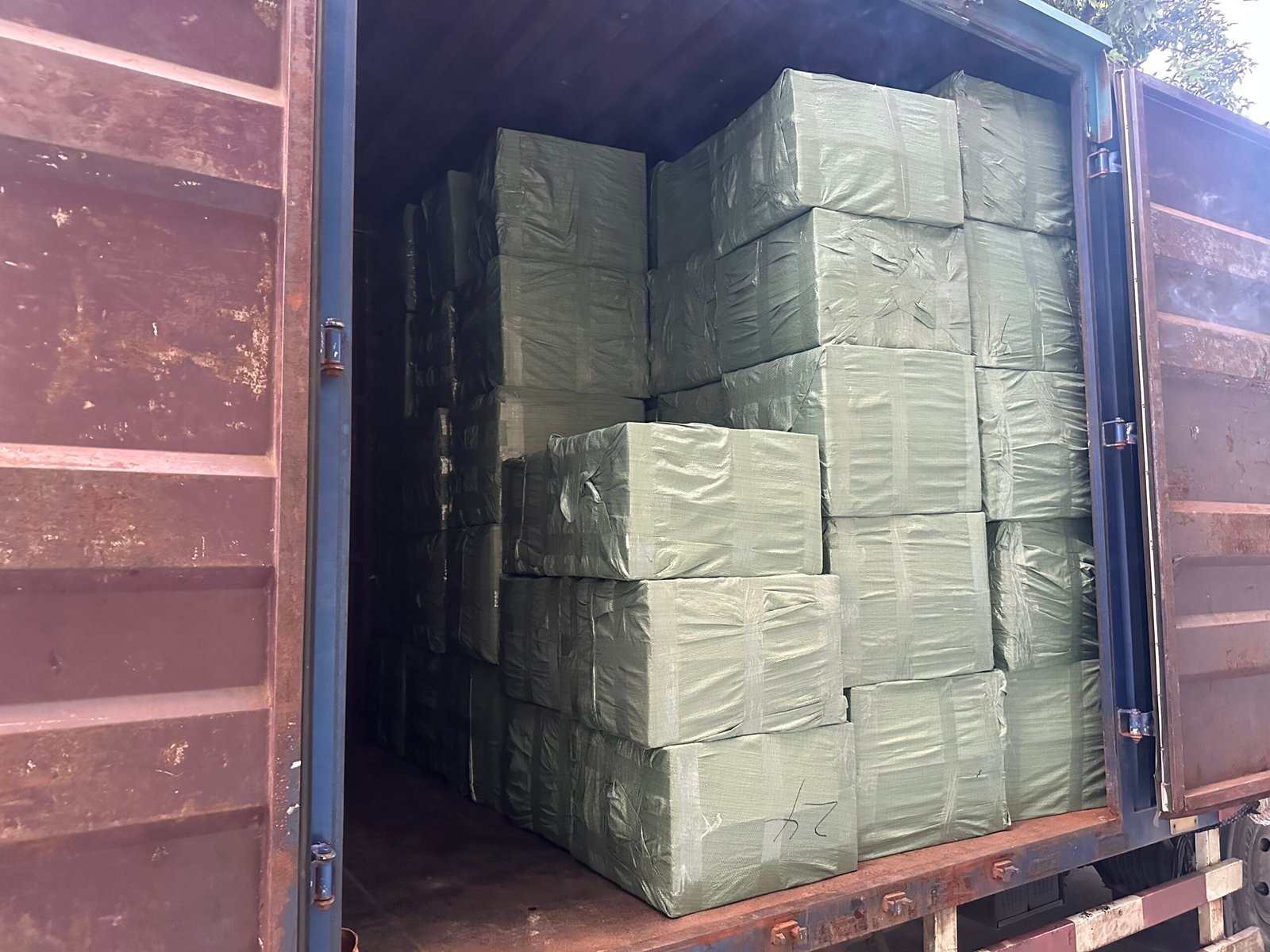
What Real Manufacturing Proof Looks Like
Many supplier pages say they offer OEM, ODM, quality control, and fast delivery. Buyers should ask for evidence that shows how the order is actually handled.
Questions to Ask Before You Order
These questions turn a vague supplier conversation into a useful RFQ discussion.
- Which tactical gear categories do you manufacture in-house or manage regularly?
- Can you work from product photos, design files, dimensions, renderings, tech packs, or reference samples?
- What changes can you make to size, materials, MOLLE layout, hardware, logo, labels, and packaging?
- What is the MOQ for this product type, and does MOQ change by material or customization?
- How long does sample development usually take?
- How long does bulk production usually take after sample approval?
- What QC checks are completed before shipment?
- Can you provide production, sample, packaging, or shipment photos for review?
OEM, ODM, or Wholesale: Which Path Fits Your Order?
| Model | Best For | Buyer Should Prepare |
|---|---|---|
| OEM | Brands that need custom sizing, construction, material, logo, and packaging. | Tech pack, design files, dimensions, reference sample, target material, and order quantity. |
| ODM | Buyers who want to adjust an existing product concept faster than starting from zero. | Target product type, use case, preferred colors, logo needs, and packaging plan. |
| Wholesale | Importers and distributors who need existing styles with practical customization. | SKU list, quantity, color, logo, packing requirements, and destination market. |
What to Send for a Faster Quote
A useful RFQ gives the factory enough detail to quote the real product, not a guess.
- Product photos, design files, renderings, or real product photos
- Dimensions, target capacity, use case, and preferred structure
- Material, color, webbing, zipper, buckle, and hook-and-loop requirements
- Logo method, label, packaging, barcode, and carton requirements
- Estimated order quantity, sample needs, and destination market
Common Mistakes to Avoid
- Choosing only by unit price without checking sample quality and QC process.
- Sending a vague inquiry without dimensions, photos, quantity, or material requirements.
- Assuming every factory can make every tactical gear category equally well.
- Ignoring packaging and label details until the end of production.
- Not confirming whether MOQ and lead time change by product type or customization level.
How PANOAR Fits This Checklist
PANOAR is positioned for B2B OEM and ODM tactical gear buyers who need support across product development, private label customization, sampling, bulk production, QC, and shipment preparation.
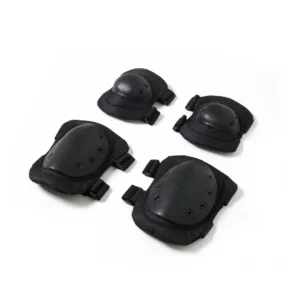
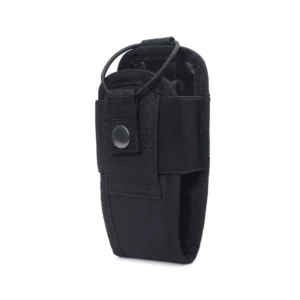
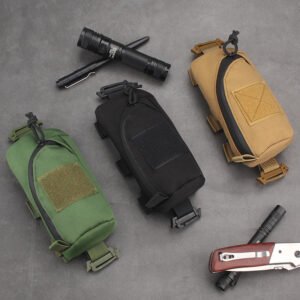
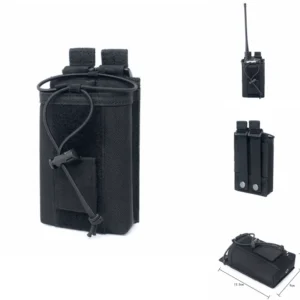
Relevant product categories include tactical backpacks, MOLLE pouches, plate carriers, tactical vests, belts, medical pouches, and K9 tactical gear such as harnesses, vests, collars, and leashes.
Need a Tactical Gear OEM Quote?
Send product photos, design files, dimensions, renderings, real product photos, a tech pack, or a reference sample. PANOAR can review your project details and reply with practical next steps.
Request an OEM QuoteFAQ
What is the first thing to check when choosing a tactical gear manufacturer?
Start with product specialization. A factory that regularly handles sewn tactical gear is more likely to understand fabric, webbing, hardware, stitching, and functional layout requirements.
Should I choose the lowest-price tactical gear supplier?
Not by price alone. Low unit price can become expensive if the supplier cannot control sample accuracy, material consistency, stitching quality, packaging, or shipment timing.
What should I send before asking for an OEM quote?
Send product photos, design files, dimensions, renderings, real product photos, tech packs, reference samples, target quantity, material preference, logo requirements, packaging needs, and destination market.
Can one manufacturer support multiple tactical gear categories?
Yes, if the factory has experience with the relevant sewn tactical gear categories. This can help keep fabric, trims, colors, branding, packaging, and QC standards consistent across a product line.