
Custom Bag Color Approval: Stock Swatches, Lab Dips and Trims

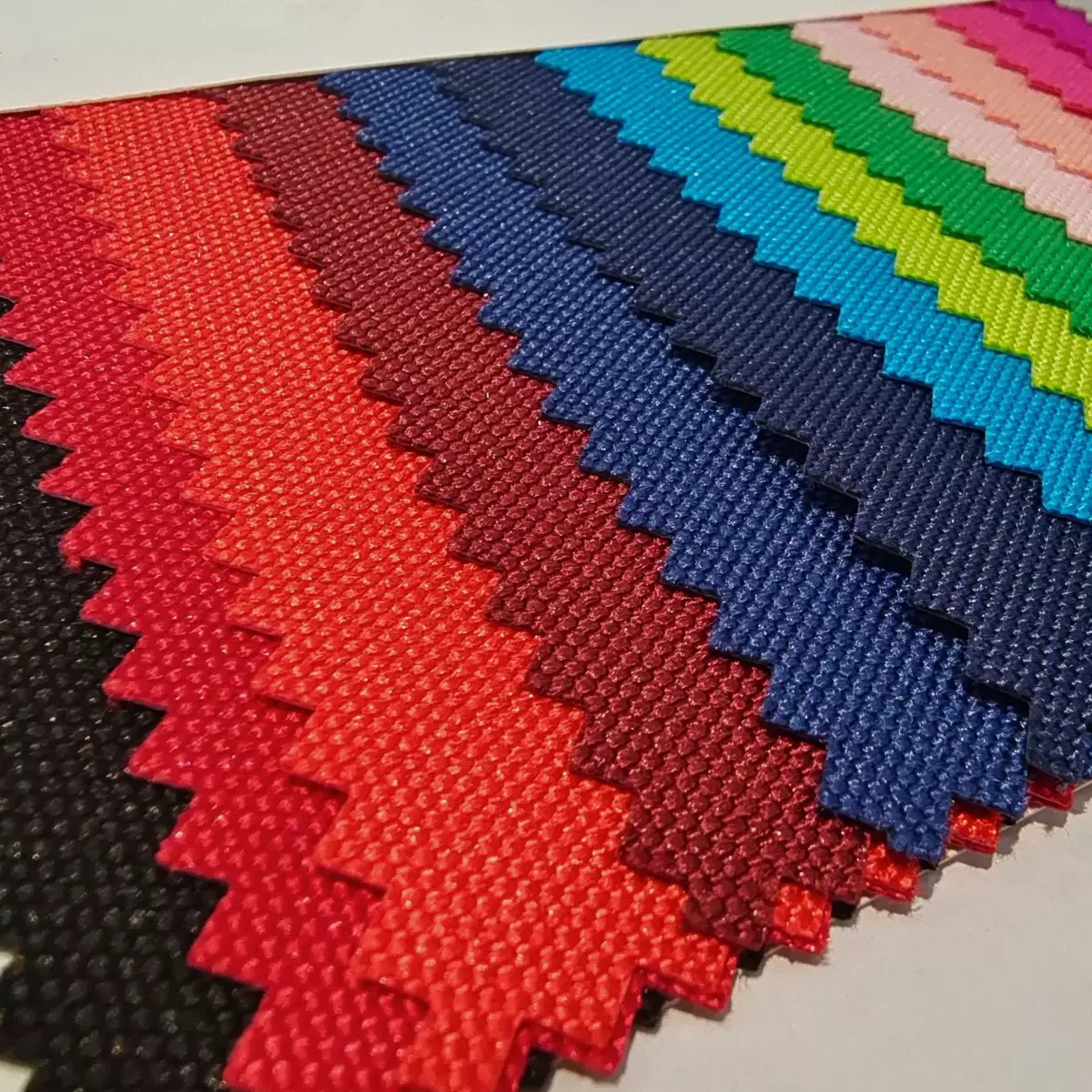
Custom bag color approval starts with physical references for the actual materials. A stock swatch shows an offered color; a lab dip is a dyed sample for reviewing a proposed shade. Check the shell, webbing, zipper tape and other visible trims separately, then review how they look together on the bag sample.
A shared color name or screen image does not define the finished bag. Your approval record should identify the physical reference, material, color decision and sample version so the supplier knows what to review for the actual order.
Are you choosing a stock swatch or approving a lab dip?
Start with the sourcing route. If a supplier offers an existing fabric color, ask for an identified physical swatch and confirm the exact material and reference. If a specific material must be dyed toward a requested shade, PANOAR can arrange a lab dip review through a supplier when that route is feasible for the project. The dyed sample lets you review a proposed shade before approving that material.
| Buyer question | Existing stock color | Custom-dye request |
|---|---|---|
| What is the sample? | An identified swatch from an offered material and color. | A proposed dyed sample of a specified material, if that route is feasible. |
| What should be recorded? | Material reference, supplier or swatch ID, chosen shade and available order conditions. | Target standard, substrate, sample ID, review decision and any agreed comparison method. |
| What remains open? | Current availability, quantity and whether the bulk material matches the approved reference. | Feasibility, supplier minimums, timing and whether other components need separate matching. |
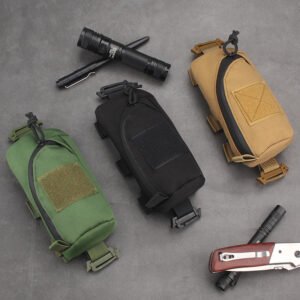
Do not call every swatch a lab dip. A photo of colored samples cannot establish which sourcing route, if any, was used. PANOAR’s materials and supply chain page explains how supplier swatches and physical references enter a project review; the available route and commercial terms still need confirmation for a specific order.
Define the physical color reference before asking for a match
Give the supplier the actual color system and complete code, a physical standard, or an identified sample. A color number without its system or suffix is incomplete. Pantone, for example, distinguishes textile references from references intended for other surfaces; a color shown on a screen is only a simulation of the physical standard. See Pantone’s Fashion, Home + Interiors system when choosing a textile reference.
Identify what the target applies to: the shell fabric, webbing, zipper tape, binding, label or printed branding. These can have different substrates and finishes. State whether you require a close match, an intentional contrast or simply approval of the assembled appearance.
Photo boundary: A phone photo is useful for showing which sample is being discussed. Camera exposure, lighting and screens can change its appearance, so keep the physical reference and its ID in the approval record.
Review the shell, webbing and visible trims separately
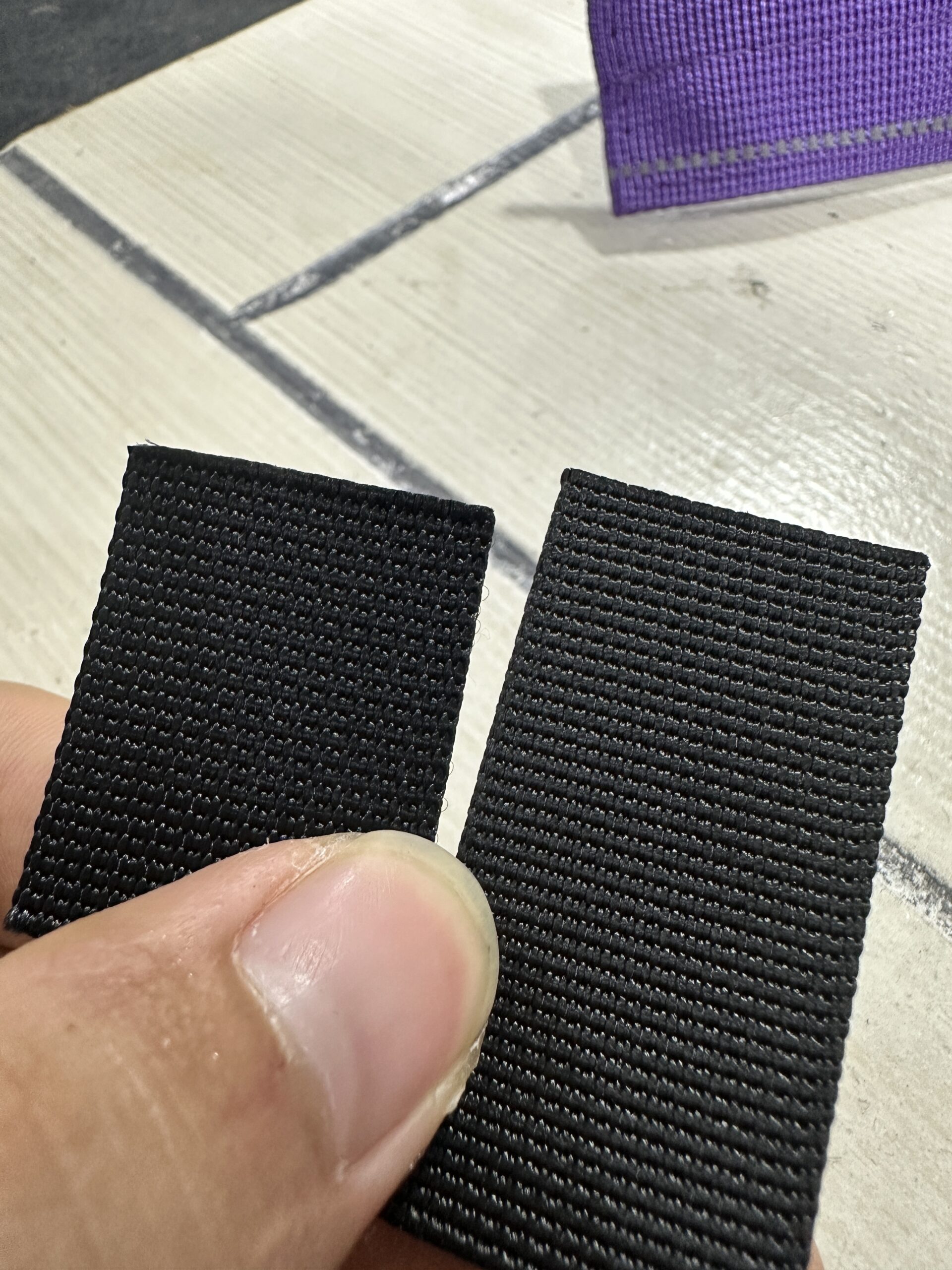
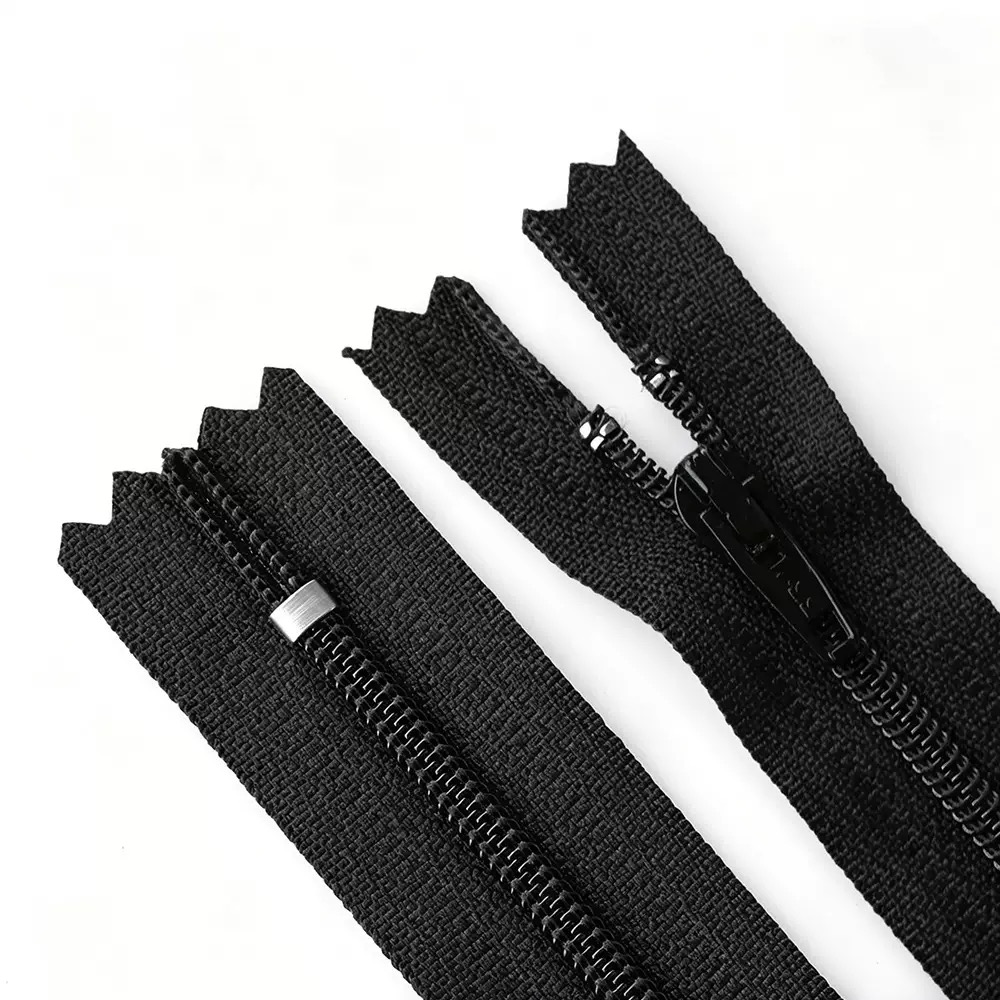
Two black webbing samples can have different surface textures, while zipper tape and fabric can appear different even when they share a color name. Compare the actual materials proposed for the bag. The decision may be to match, accept a visible difference or request another option.
| Component | Reference to identify | Decision to record |
|---|---|---|
| Shell or lining | Physical material swatch or proposed dyed sample and its version. | Shade and material approved for that panel, or an open issue. |
| Webbing or binding | Its own material, width, weave and color reference. | Required match, accepted contrast or replacement to review. |
| Zipper tape and pull | Tape and pull samples for the selected zipper option. | Visible color and component combination approved. |
| Logo or label | Artwork and a physical proof when needed. | Separate branding and color approval. |
This is a buyer’s blank review structure, not a completed PANOAR customer record. For the wider component brief, use the custom materials and hardware page.
Check the chosen colors together on the bag sample
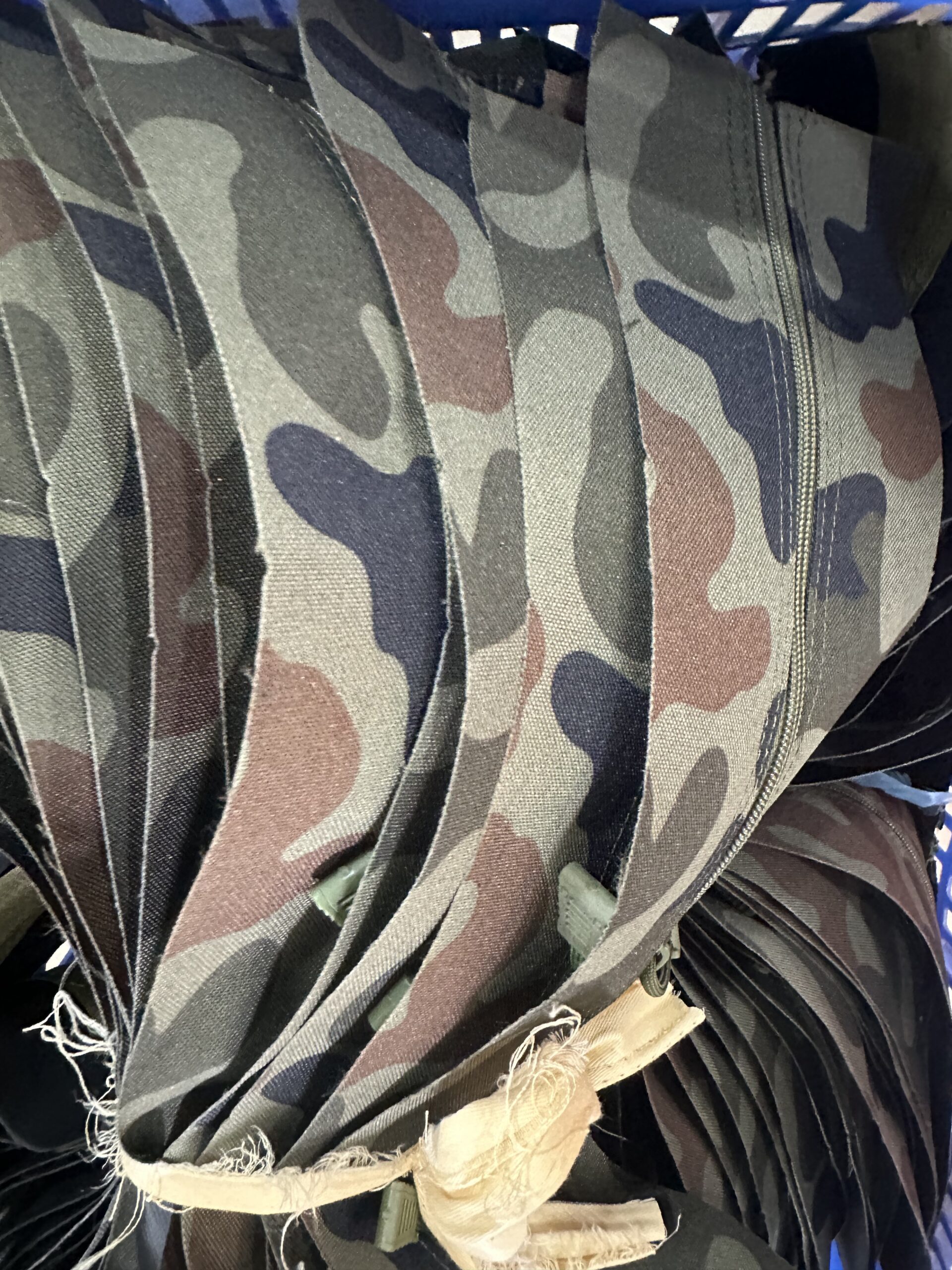
A swatch can look acceptable alone and different when placed beside a camouflage shell, black webbing or zipper tape. Review the proposed combination on a sample or representative assembly, with the same physical references available for comparison. Record any intentional difference instead of describing every component as an exact match.
Agree how and where the physical samples will be viewed, then use the same conditions when reviewing revisions. If the buyer needs an instrument-based color limit, specify the method, reference and acceptance criterion for that project. This guide does not set a universal tolerance for different materials.
Initial shade approval is also separate from colorfastness, rubbing or cleaning performance. If those properties matter, request the relevant test method and evidence separately; a lab dip or photograph is not a performance report.
What should the color approval record contain?
Keep a short record that another person can use to identify the same physical references later. Include:
- The bag style and specification version under review.
- Each component’s material, reference code or sample ID, and its position on the bag.
- Whether the sample is a stock swatch, a custom-dye lab dip or another type of proof.
- The decision for each component: approved, revise or still open.
- The date, reviewer and any accepted contrast or substitution.
- The assembled sample or next sample version to which the decision applies.
Do not silently carry approval from one substrate or component to another. If a later material substitution changes an approved visible feature, identify it and request a new review. A backpack tech pack can hold these references alongside the broader product specification.
Send a color brief the supplier can actually review
For a quotation, send the product or drawing, intended use, estimated quantity, physical color standard or identified swatch, and a list of components that need to match or contrast. State whether you want offered stock colors reviewed or a custom-dye route assessed. Include any required color or performance verification separately.
Ask the supplier to identify which requests can be assessed now, which need a physical sample and which depend on material sourcing. Availability, supplier minimums, cost and timing should be confirmed for the actual project rather than inferred from a color card.