

Private Label Logo Options for Tactical Gear: Embroidery, Woven Labels, Rubber Patches, and Printing

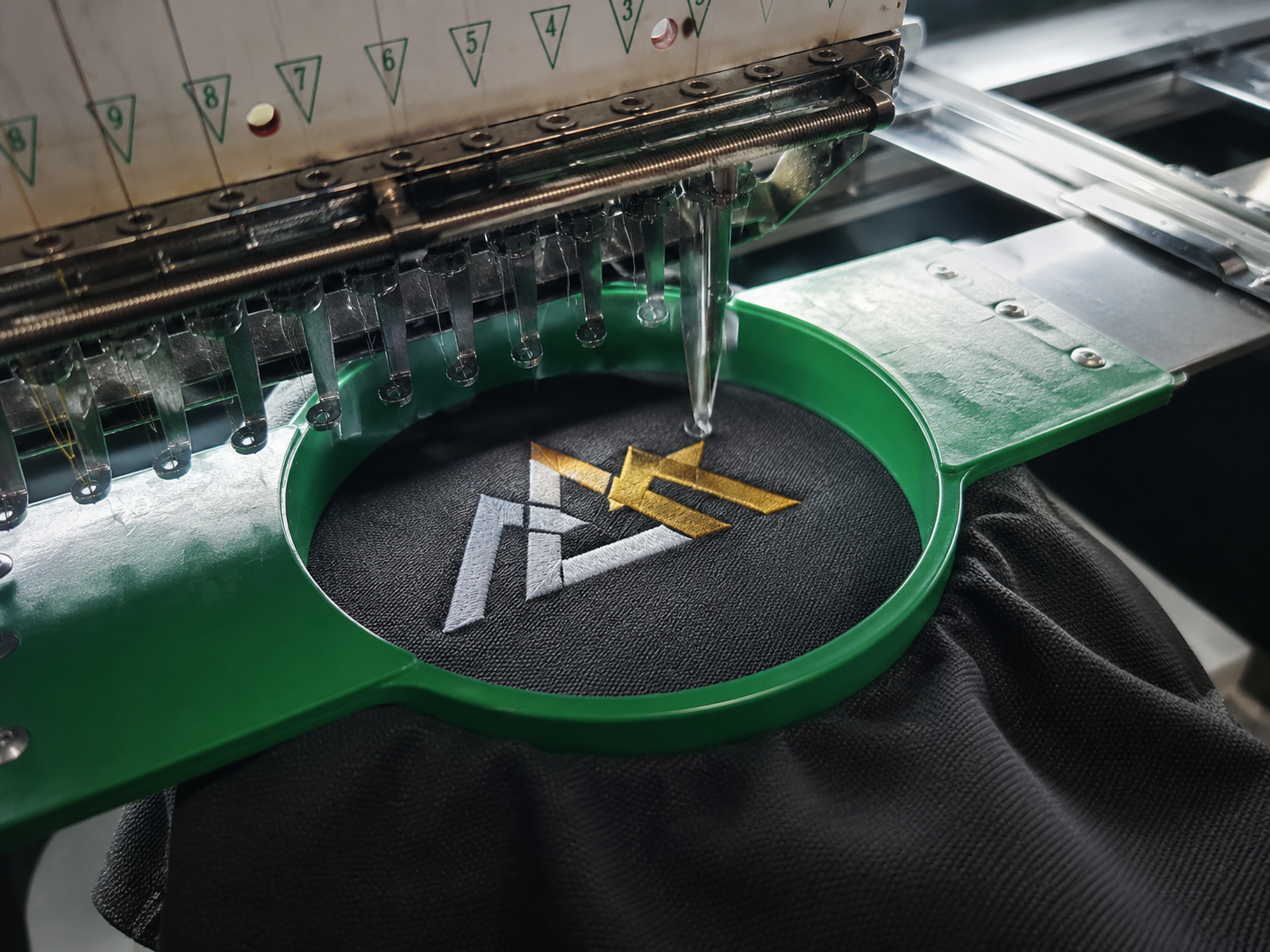
The best logo method for tactical gear depends on the product structure, expected wear, order plan, and visual result your brand needs. Embroidery can suit fabric panels and premium presentation, woven labels handle fine artwork well, rubber patches create a removable tactical look, and printing works best when the fabric and surface treatment support reliable adhesion.
Private Label Logo Methods Compared
No single branding method is right for every tactical backpack, pouch, vest, belt, or K9 product. Buyers should compare the method against the application surface, artwork detail, handling conditions, and whether the branding must be permanent or removable.
| Logo method | Best suited to | Main advantage | Key limitation to check |
|---|---|---|---|
| Embroidery | Fabric panels, backpacks, pouches, selected harness panels | Textured and permanent appearance | Needle penetration, backing, panel thickness, and seam clearance |
| Woven label | Interior or exterior brand labels, small logos, detailed text | Fine detail with controlled shape and placement | Edge finish, label stiffness, and attachment method |
| Rubber patch | Hook-and-loop panels, backpacks, pouches, vests, K9 gear | Raised visual effect and optional removability | Mold requirements, color detail, thickness, and patch attachment |
| Printing | Large graphics, flat fabric areas, packaging, selected labels | Flexible artwork size and color treatment | Fabric coating, surface texture, abrasion, and wash expectations |
When Embroidery Is the Right Choice
Embroidery is often selected when a brand wants a permanent, stitched finish that feels integrated with the product. It can work well on stable panels where the machine has access and the logo does not interfere with seams, padding, pockets, or load-bearing webbing.
What Buyers Should Confirm
- Final logo dimensions and placement on the product pattern
- Thread colors matched to an approved reference
- Whether the fabric requires backing or reinforcement
- How the stitch density affects small text and narrow lines
- Whether embroidery takes place before or after panel assembly
Manufacturing Note
A logo that looks clean on a flat swatch may behave differently near foam, binding, curved panels, or internal organizers. Confirm the artwork on the actual product panel, not only on a sample piece of fabric.
When Woven Labels Work Better
Woven labels are useful for artwork with small lettering or finer detail that may be difficult to reproduce with direct embroidery. They also make it easier to standardize one brand identifier across several products in a private label collection.
Labels can be sewn onto an exterior panel, folded into a seam, or placed inside the product for brand and care information. The correct choice depends on visibility, comfort, abrasion exposure, and the available seam construction.
Woven Label Decisions
- Flat, end-fold, center-fold, or another construction
- Woven edge or cut-and-sealed edge
- External branding or internal identification
- Sewing position and visible stitch line
- Logo label, size label, care label, or a coordinated label set
When to Use Rubber Patches
Rubber patches can create a bold, three-dimensional brand mark that fits the visual language of modular tactical products. They may be sewn directly to the product or paired with hook-and-loop when the buyer wants a removable patch.
This method needs more early-stage confirmation than a simple label. Artwork depth, border thickness, small details, color separation, patch flexibility, attachment, and mold-related requirements can all affect feasibility and cost.
Permanent or Removable?
A permanent patch keeps branding consistent at retail. A removable patch gives end users more flexibility, but the product then needs a correctly sized loop panel and the buyer should decide whether the branded patch is supplied attached, packed separately, or offered as an accessory.
When Printing Makes Sense
Printing may be practical for large graphics, multiple colors, packaging, or artwork that cannot be translated cleanly into stitches. The factory should first confirm the exact fabric, coating, surface texture, intended use, and durability expectation because these variables affect which printing process is appropriate.
Questions to Ask Before Approval
- Is the print compatible with the approved production fabric and coating?
- Will the marked area fold, stretch, rub against gear, or contact the user?
- What color reference will be used for approval?
- Does the sample show the expected finish after normal handling?
- Should the same artwork also appear on packaging or hangtags?
How to Select a Logo Method for an OEM Project
- Start with the product. Identify the exact backpack, pouch, vest, belt, harness, or accessory and the available branding area.
- Define the result. Decide whether the logo should be subtle, premium, highly visible, removable, or standardized across a product line.
- Share production artwork. Provide vector artwork when available, along with dimensions and color references.
- Review manufacturing constraints. Check seams, padding, webbing, hardware, curvature, coatings, and contact areas.
- Approve an actual sample. Review scale, placement, color, attachment, finish, and product function before bulk production.
For a broader view of development, material confirmation, sampling, and production, review PANOAR’s tactical gear OEM and ODM manufacturing process.
Buyer Checklist Before Approving the Logo Sample
- Logo artwork and spelling match the approved file.
- Size and placement match the specification.
- Colors are checked against the agreed reference under suitable lighting.
- Small text, borders, and fine lines remain readable.
- The logo does not cover seams, MOLLE channels, pockets, adjustment points, or care labels.
- The attachment lies flat and does not create sharp or uncomfortable edges.
- The branded panel still performs as intended after assembly.
- Packaging and carton marks use the correct brand version where required.
- The approved sample or signed reference is retained for bulk comparison.
What to Include in Your Logo Customization RFQ
A complete brief helps the factory recommend a practical method and prepare a more accurate quotation. Include:
- Product type and reference image or specification
- Logo file, preferred dimensions, and placement
- Required colors or color references
- Permanent or removable branding preference
- Expected quantity by product, color, and logo version
- Packaging, hangtag, barcode, or carton branding requirements
- Target market and any applicable labeling requirements
Frequently Asked Questions
Which logo method is most durable for tactical gear?
Durability depends on the method, material, attachment, placement, and use conditions. Direct embroidery or a securely sewn label can be durable on a suitable panel, while removable rubber patches offer a different balance of branding and flexibility. The best decision should be confirmed on the actual production material.
Can one product use more than one branding method?
Yes. A product may use an exterior rubber patch, an interior woven brand label, and printed packaging. Each element should have a defined purpose so the product does not look over-branded.
What logo file should a buyer send to the factory?
Vector artwork is usually the most useful starting point because it can be scaled and separated by color. Buyers should also provide the intended physical size, color reference, placement, and a visual mockup when available.
Does custom branding affect MOQ and lead time?
It can. The effect varies by logo method, number of colors, artwork complexity, tooling, material availability, product quantity, and the number of logo versions. Confirm the requirement with the factory rather than assuming one fixed MOQ or lead time.
Should the logo be approved on a fabric swatch or a finished sample?
A swatch can help with early color and technique review, but the final decision should be made on an actual product sample or production-representative panel. This reveals placement, scale, sewing access, and interaction with the product structure.
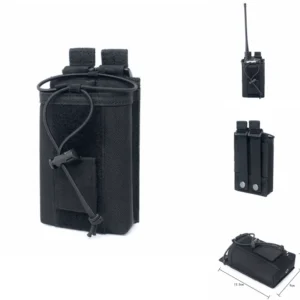

[…] For branding methods and the files to prepare, use the private label tactical gear logo guide. […]