
Dog Collar Packaging for Private Label Orders: Display Fit, SKU Data and Approval

On this page
Before approving dog collar packaging for a private-label order, define the complete packed selling unit: the exact collar variant, proposed packaging, product position, identifying information and approval reference. Review these together using the finished collar, rather than approving a flat artwork file on its own.
A layout can show the right logo and product name while leaving the physical arrangement undecided. The buyer and supplier still need to agree on how the collar is held, where its hardware sits, which information accompanies each variant and what the packing team should reproduce.
Define the selling unit before choosing a pack
Start by stating what the customer will receive as one unit. Is it one collar, a coordinated set or several individually identified collars grouped for bulk handling? Identify which items belong inside that unit and which information belongs on its packaging.
Then describe how the unit will be handled. A proposal for a hanging retail display raises different fit and presentation questions from an individually identified unit supplied for distributor handling. State the intended arrangement in the brief so the supplier can review it against the actual product.
A finished product reference, such as PANOAR’s tactical dog collar with handle, helps identify which collar is being discussed. The packaging review still needs the exact size and color selected for that order.
Fit the proposed packaging to the actual collar
Use the finished collar variant selected for review. State whether it should be open, fastened, folded or arranged in another agreed position. Include any handle, buckle, ring, adjustment section or branding area that affects that position.
Review the actual size range before deciding whether one packaging layout can serve every variant. Check which product differences change the packed arrangement, then decide whether a shared format or separate versions need to be sampled. A photograph of an unpacked collar cannot confirm either option.
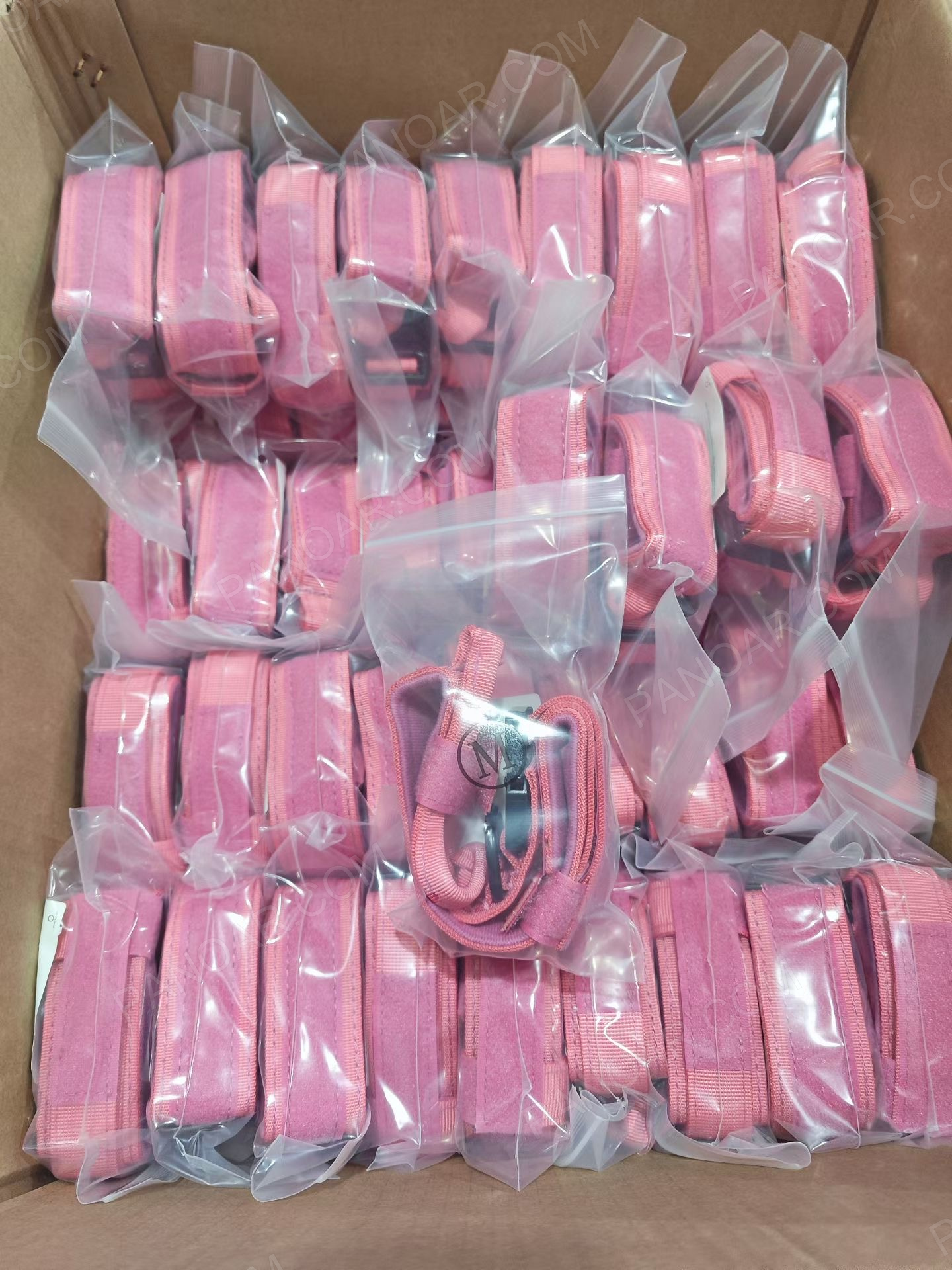
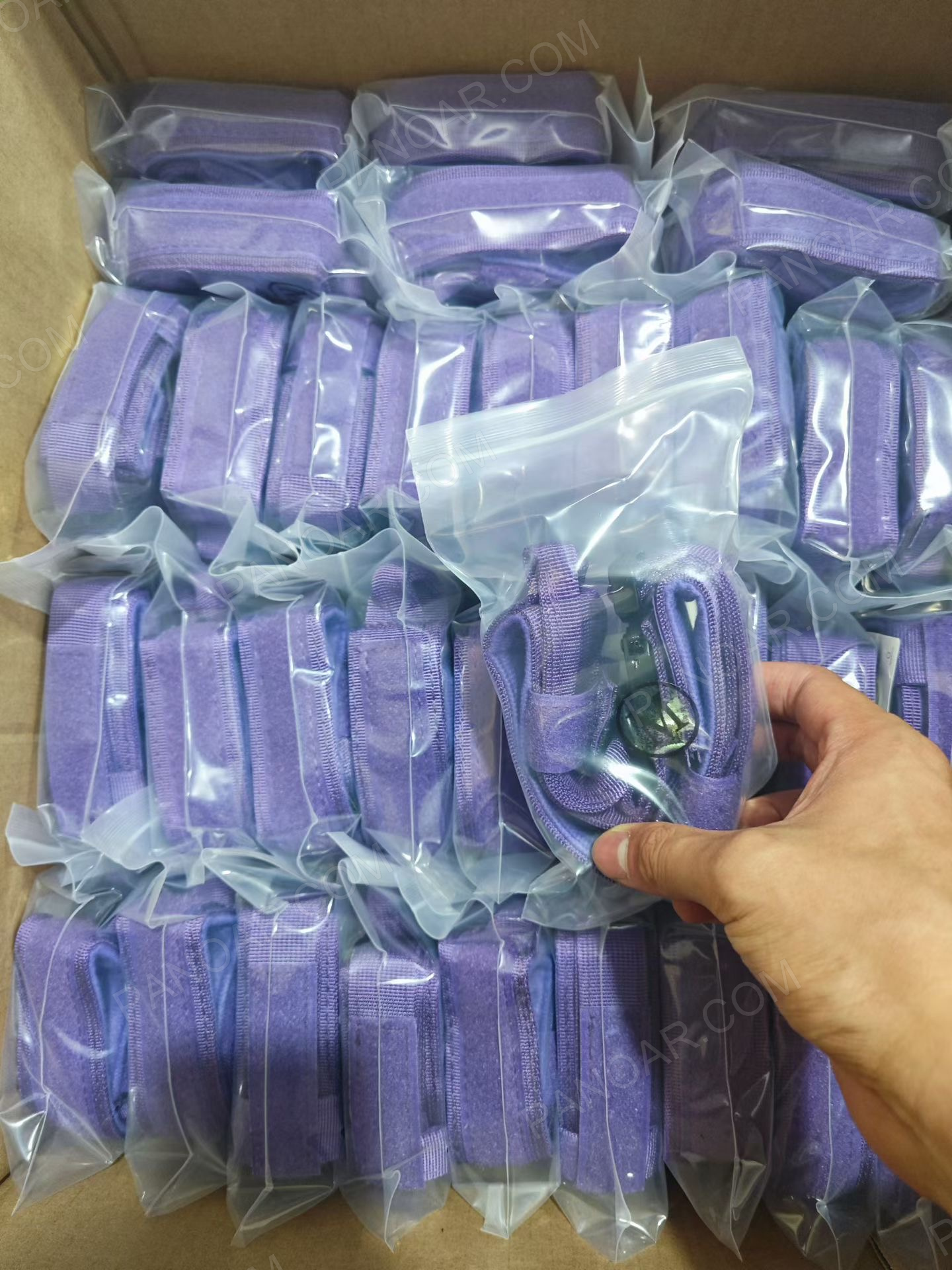
If you are using an individual bag
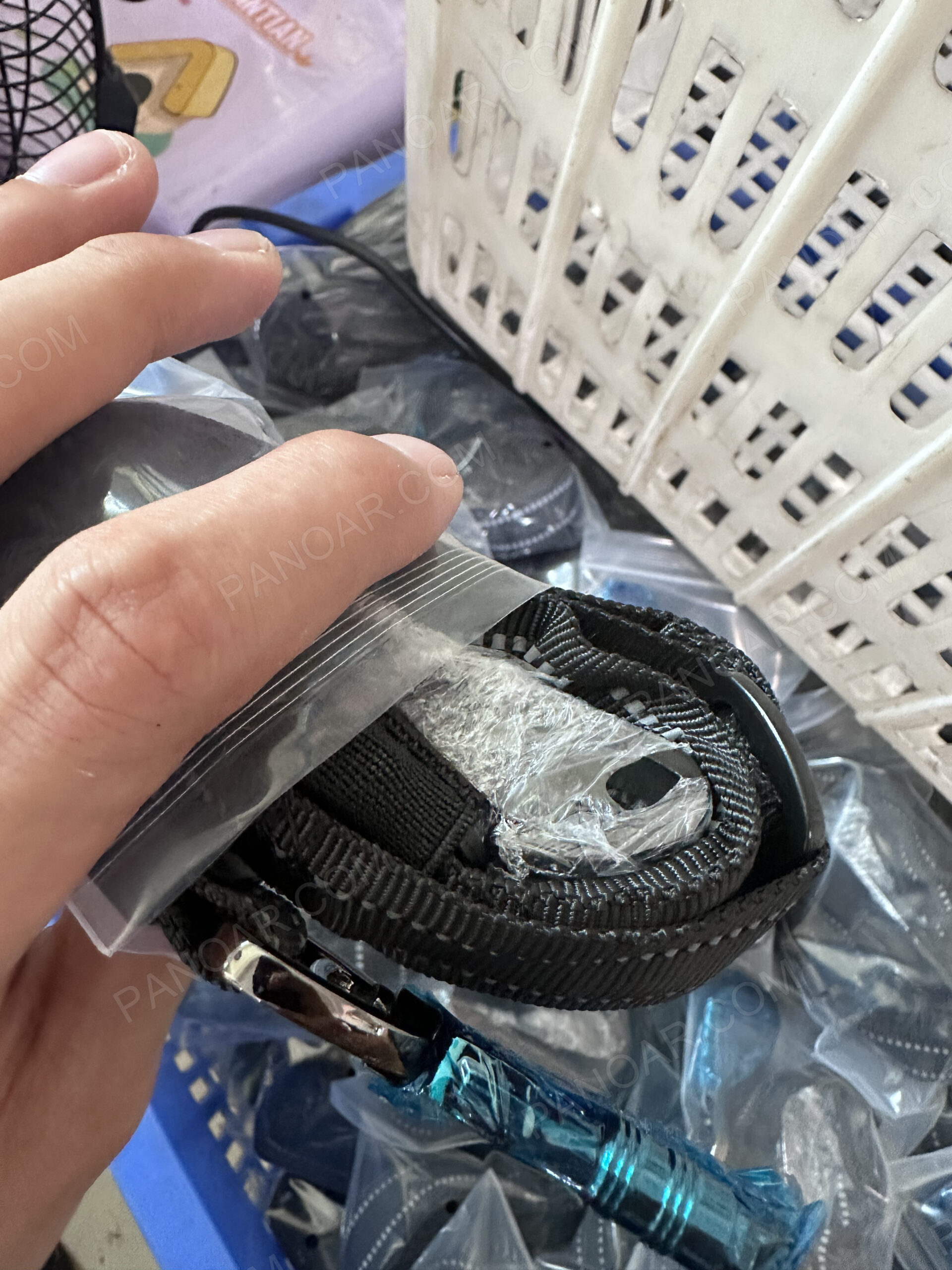
Review the collar in the position it will occupy inside the bag. Check the folded strap, handle and hardware together, then close the bag using the proposed packing sequence. Confirm that the product identification remains visible in the agreed position.
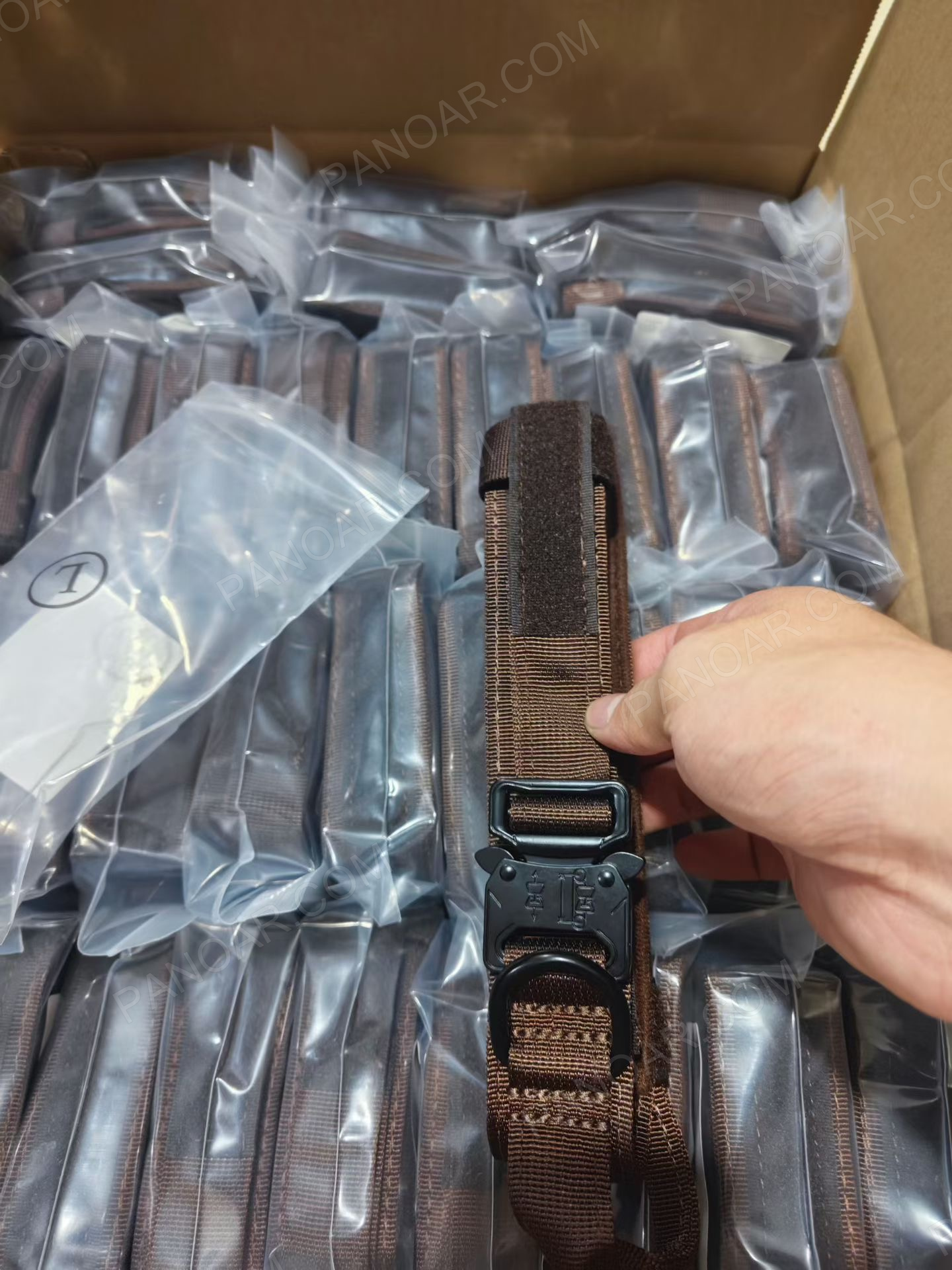
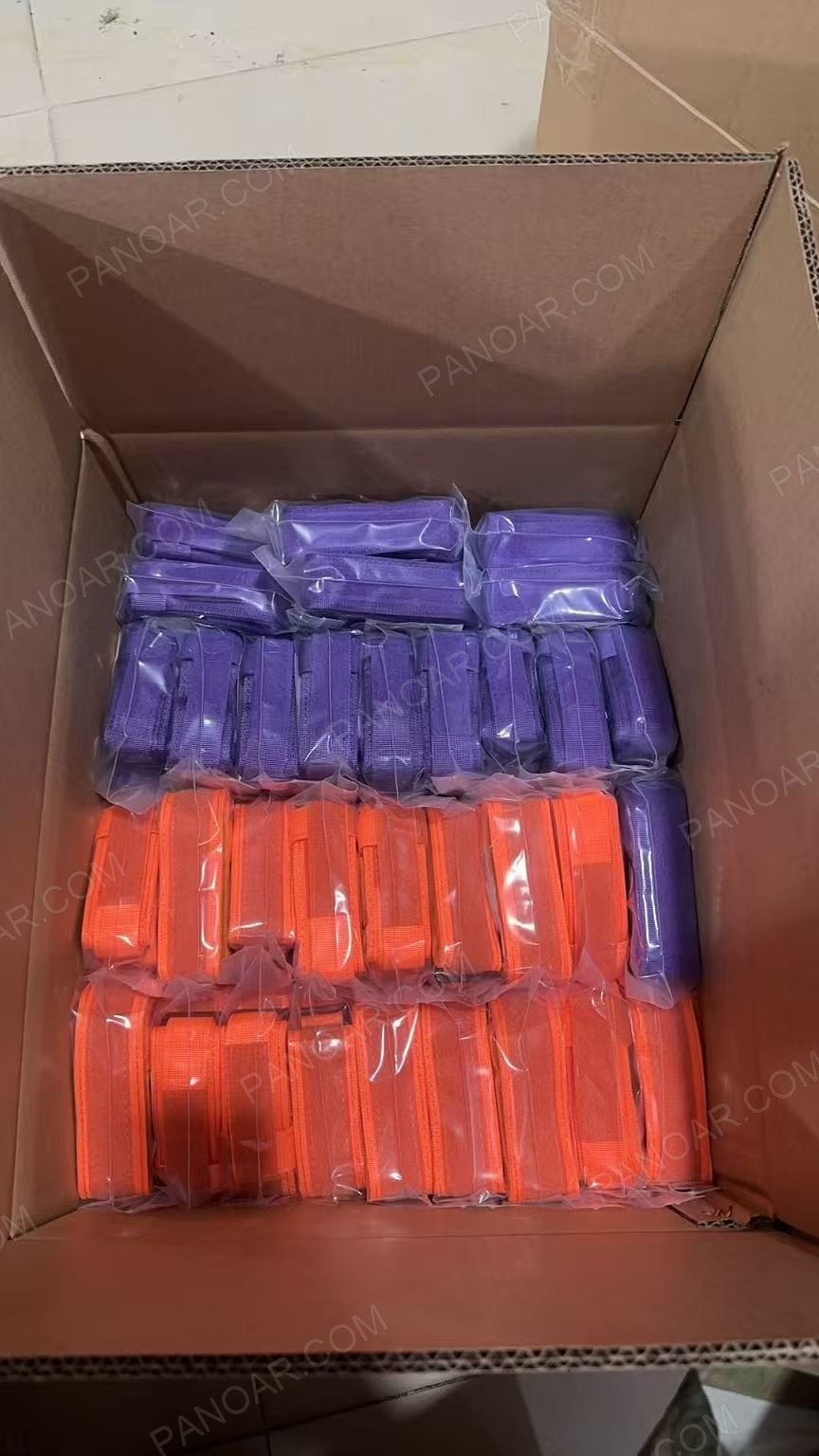
The examples shown here include collars packed individually in transparent bags. They illustrate the packed arrangement; the photographs do not establish bag dimensions, material grade or a size-to-SKU mapping. Use your actual collar variant when agreeing those details.
If you are considering a display card
Show how the collar will attach to the proposed card. Identify the route of the strap, any fastening or retaining points, the front-facing product position and how the collar will be removed.
Review the back as well as the front. Ask the supplier to assess the proposed arrangement on a physical sample before treating the flat card dimensions or cut positions as approved. Keep the method of attachment with the approved layout so it can be repeated.
If you are considering a box
Show the collar in its proposed packed shape, including the position of projecting hardware. If an insert or another retaining part is proposed, include it in the sample review.
Confirm that the box can close in the intended arrangement, and review how the buyer or receiving team will identify the product inside. Box format, material and any internal components remain specifications to discuss and confirm with the supplier.
Check hardware contact and the way the product is presented
Inspect the packed sample from the front, back and any side where the product touches the packaging. Focus on the actual contact points:
- Where do the buckle, ring and other hardware rest?
- Does any retaining point press on the hardware or cover an area the buyer intends to show?
- Is the strap end controlled in the agreed position?
- Can the product be removed and repacked using the documented method?
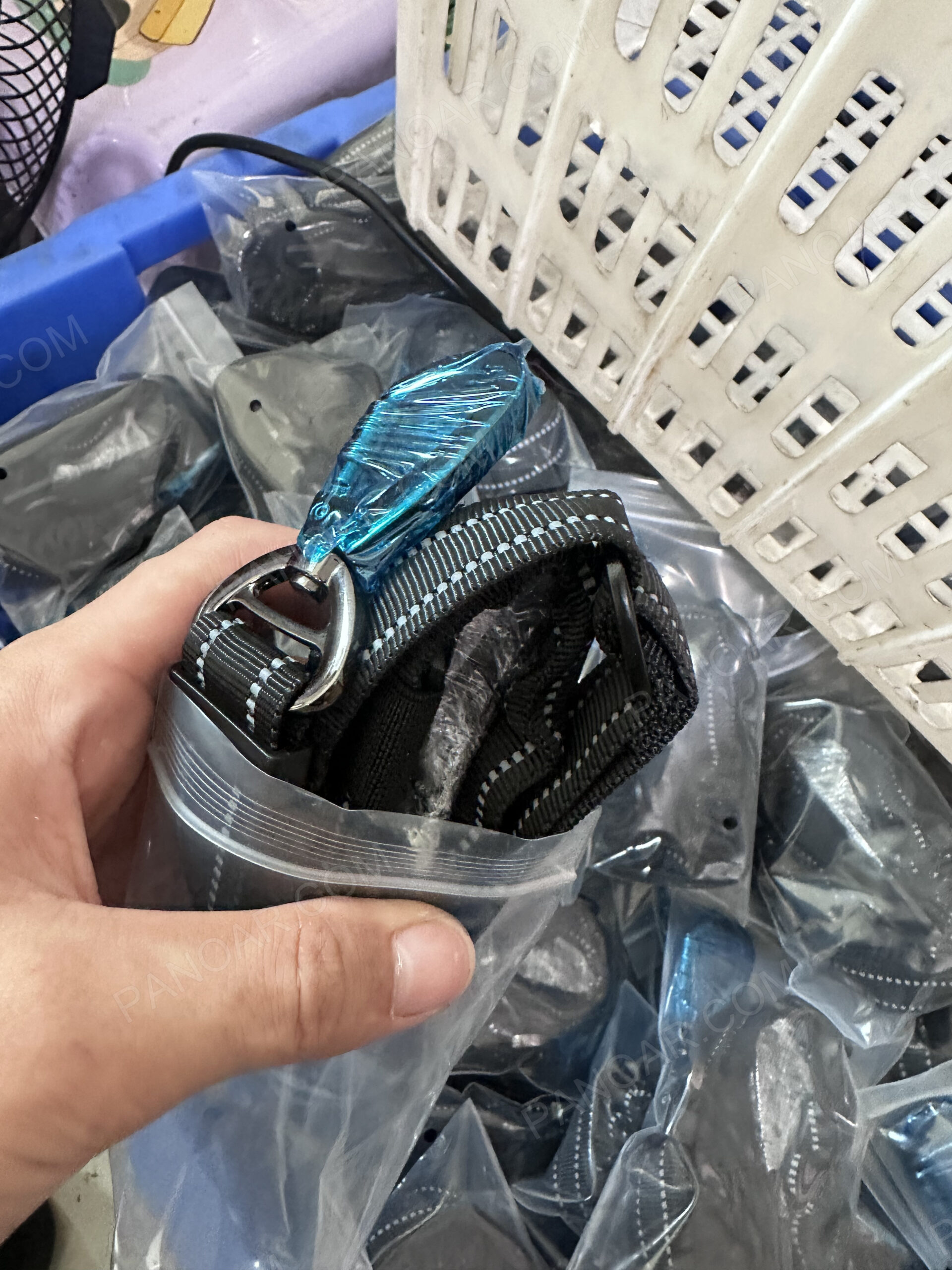
The black collar examples show wrapping around hardware before the collar is fully enclosed. If wrapping is proposed for your order, specify which components are covered, the wrapping material and how it is removed. Review the assembled sample to confirm that the agreed contact points are covered; a photograph alone does not demonstrate scratch or transport performance.
Record the arrangement that was reviewed. Physical fit approval does not establish transport performance or prove a material claim. Any separate requirement needs its own agreed evidence.
Match each collar variant to its packaging information
Keep a variant-to-packaging reference with the order. The same artwork family may cover several sizes or colors, but the packing instructions should still make each combination clear.
Swipe the table to compare both columns.
| Buyer input | Relationship to confirm |
|---|---|
| Collar model or approved sample reference | The packaging refers to the correct finished product. |
| Size and color designation | The description matches the variant placed in the pack. |
| Buyer SKU or item reference | The item reference matches the order and the assigned packaging information. |
| Packaging artwork and revision | The correct file version is assigned to that variant. |
| Quantity by variant | The packing allocation follows the same variant breakdown as the order. |
If a barcode or another identifier is included, confirm that it belongs to the same variant and artwork version. Keep barcode creation and detailed data validation in the separate item-data workflow; the packed-sample check confirms which information is attached to which collar.
Approve an assembled sample and retain the packing reference
Request a sample with the actual collar and proposed packaging assembled together. Use that sample to confirm the selling unit, product position, attachment method and variant information.
Keep a compact approval record:
- The collar model and variant that were reviewed.
- The packaging format and artwork revision.
- Front and back photographs of the assembled unit.
- Close-ups of attachment points and hardware contact where needed.
- The agreed packing sequence and any changes still requiring confirmation.
Identify who approved the reference and when. If the sample has unresolved changes, list them against the relevant file or photograph rather than treating the whole pack as approved.
The purpose is to give both sides one reference for the agreed arrangement. A photograph without the product variant or file revision leaves part of that reference missing.
Recheck packaging when the collar or artwork changes
A product revision can affect the packed arrangement even when the packaging artwork stays the same. Review whether a change to the collar’s size range, strap, buckle, handle or other component requires another assembled sample.
For artwork changes, confirm which variants use the new version and when the packing instructions change. Keep superseded files clearly identified so the next order does not rely on an old reference.
Repeat orders should refer to the agreed product and packaging versions. If either is changing, record the change before using the previous approval as the packing instruction.
Prepare a quote-ready collar packaging brief
For a collar project within a broader product line, begin with the scope covered by private-label K9 gear planning, then prepare the packaging details for the chosen collar variants.
Include the product reference, actual size range, selling unit, proposed packaging format, a packed reference if available, artwork revision, SKU mapping and quantity by variant. Identify proposed details that still need supplier confirmation.
Send those references so the product and packaging requirements can be reviewed together.