
Tactical Gear RFQ Checklist: What to Prepare Before Contacting a Factory

OEM buyer guide
A tactical gear RFQ is easier to quote when the factory can see the product, the expected order size, and the custom details that affect production. Buyers do not always need a finished tech pack, but they should prepare enough information for the supplier to understand the project instead of guessing.
This checklist is written for brands, importers, distributors, security equipment suppliers, and K9 gear buyers preparing a tactical gear quote request for an OEM or private label project.
What a Good Tactical Gear RFQ Should Answer
A short message such as “please quote this vest” or “how much for this bag?” usually creates a slow conversation. The factory has to ask for the product size, material, logo method, quantity, packing, sample need, and destination before it can give useful feedback.
A better tactical gear OEM quote request does not need to be complicated. It should answer five basic questions: what product you need, how it should be customized, how many pieces you expect to order, when you need samples or bulk production, and where the goods will ship.
Practical answer: if you do not have a tech pack, send product photos, dimensions, a reference sample, or even a clear written description. A serious factory can review the project and tell you what information is still missing.
1. Start With the Product Category
Tell the factory exactly what type of tactical gear you want to produce. A backpack, plate carrier, IFAK pouch, MOLLE admin pouch, tactical belt, and K9 harness have different material, stitching, sizing, hardware, and QC requirements.
Backpacks, sling bags, waist bags, duffel bags, EDC bags, hydration packs, and MOLLE-compatible packs.
Plate carriers, tactical vests, chest rigs, placards, back panels, battle belts, and support accessories.
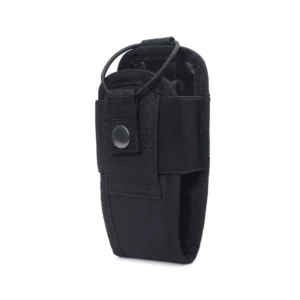
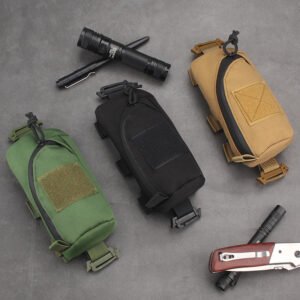
Utility pouches, admin pouches, dump pouches, IFAK pouches, medical bags, and tourniquet holders.
Dog harnesses, dog vests, collars, leashes, handles, buckles, and working-dog attachment systems.
2. Send a Useful Product Reference
The fastest way to start is to send one or more references. A product photo can show the overall style. A reference sample can show construction and size. A drawing can show shape and panel layout. A tech pack can show dimensions, materials, stitching, labels, and packaging.
If you are comparing suppliers, send the same reference information to each factory. That makes the answers easier to compare and reduces confusion later.
Useful files to prepare
- Front, back, side, and inside photos of the product.
- Basic dimensions such as height, width, depth, strap length, or pouch size.
- A drawing, tech pack, or marked-up reference photo if available.
- Logo files, label design, patch artwork, or packaging artwork.
- Photos of a current sample if you want the factory to match or improve it.
3. Explain the Customization You Need
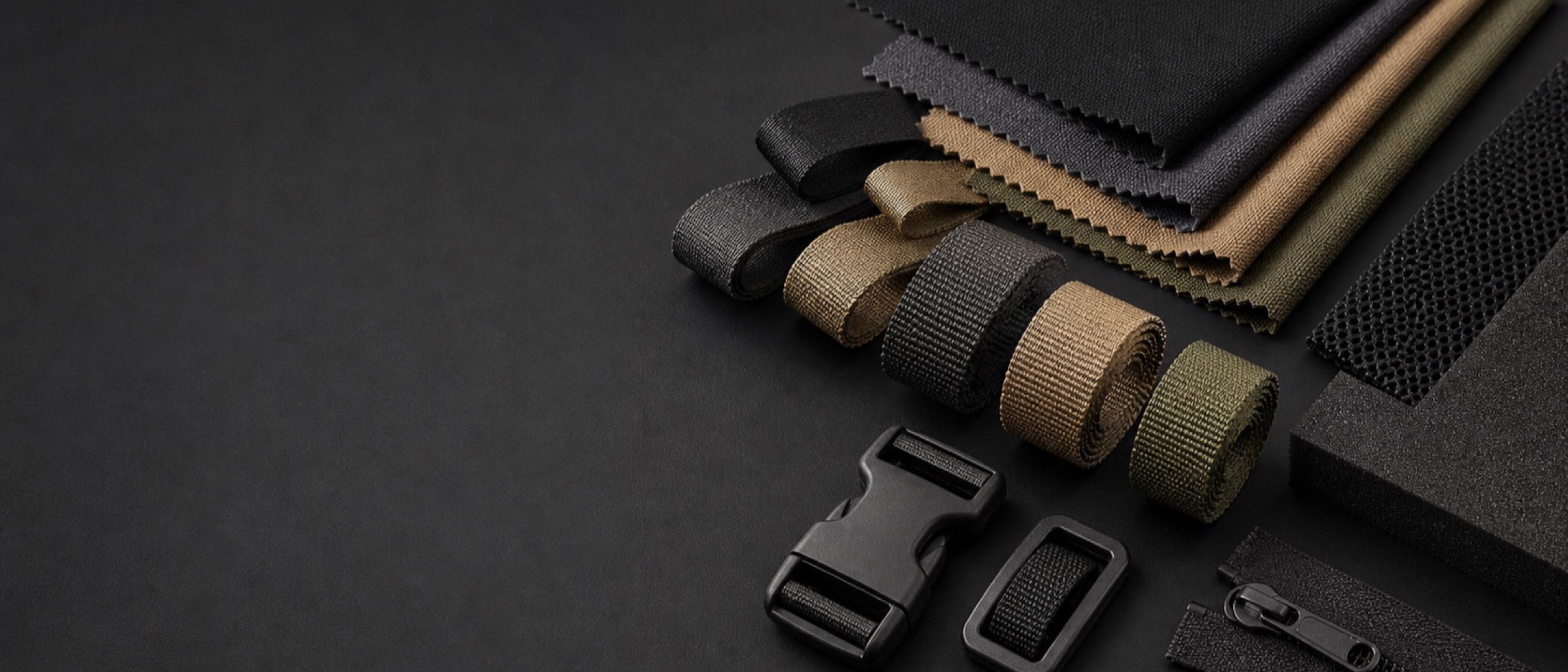
Most OEM tactical gear projects are not only about the product shape. Buyers often need changes to fabric, color, MOLLE layout, webbing, buckles, zippers, hook-and-loop, logo placement, labels, or packaging. These details affect sample cost, MOQ, lead time, and production risk.
| RFQ Item | What to Tell the Factory | Why It Matters |
|---|---|---|
| Material | Fabric type, denier, coating, lining, mesh, padding, or performance requirement. | Material choice affects cost, durability, appearance, and sample accuracy. |
| Hardware | Zipper, buckle, D-ring, snap, hook-and-loop, elastic, webbing, and puller preferences. | Hardware availability can change MOQ, price, and delivery schedule. |
| MOLLE layout | Rows, spacing, laser-cut panels, stitched webbing, attachment direction, and reinforcement points. | MOLLE compatibility is a functional requirement, not only a visual detail. |
| Logo and label | Woven label, rubber patch, embroidery, print, hook-and-loop patch, or hangtag. | Logo method affects sample setup, artwork requirements, and unit cost. |
| Packaging | Polybag, carton, barcode, insert card, label sticker, retail packaging, or private label packing. | Packaging details are important for importers, distributors, and retail-ready orders. |
4. State Your OEM Project Requirements Clearly
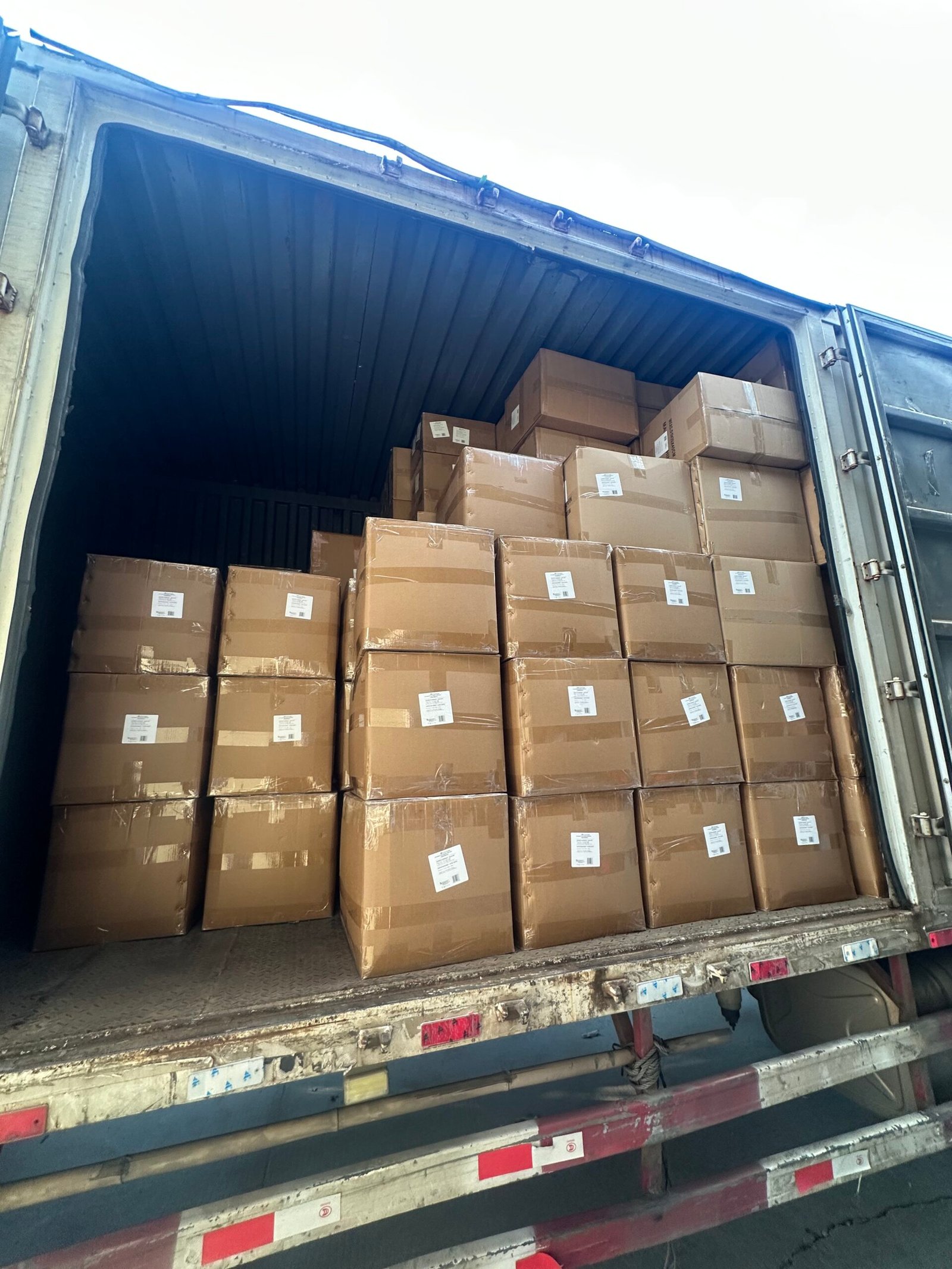
Factories need a realistic order quantity and destination before they can review your OEM project requirements in detail — material sourcing, labor planning, and packing all depend on it. If your quantity is not final, say that clearly. A range is better than no number at all.
Destination country also matters. It helps the factory think about carton strength, packing method, shipping documents, and export planning. For repeat wholesale orders, it also helps the supplier understand whether you need stable SKU planning and future reorder support.
Good examples
- “We plan to start with 300-500 pcs if the sample is approved.”
- “This is for a distributor order to the United States.”
- “We need a sample first, then bulk production after our customer confirms.”
- “The first order is small, but we expect repeat orders if quality is stable.”
5. Make Your Sample Request and Timeline Specific
A tactical gear sample request is not only a request for one piece — it is a development step. Tell the factory whether you want to test size, material, logo placement, MOLLE compatibility, packaging, or all of them, so the sample actually answers your question.
If the timeline is urgent, say so early. If you are still in product development, tell the supplier that the schedule is flexible. Honest timing helps the factory suggest a practical next step instead of promising a date that may not fit the material or customization work.
6. Mention Quality Risks Before the Quote
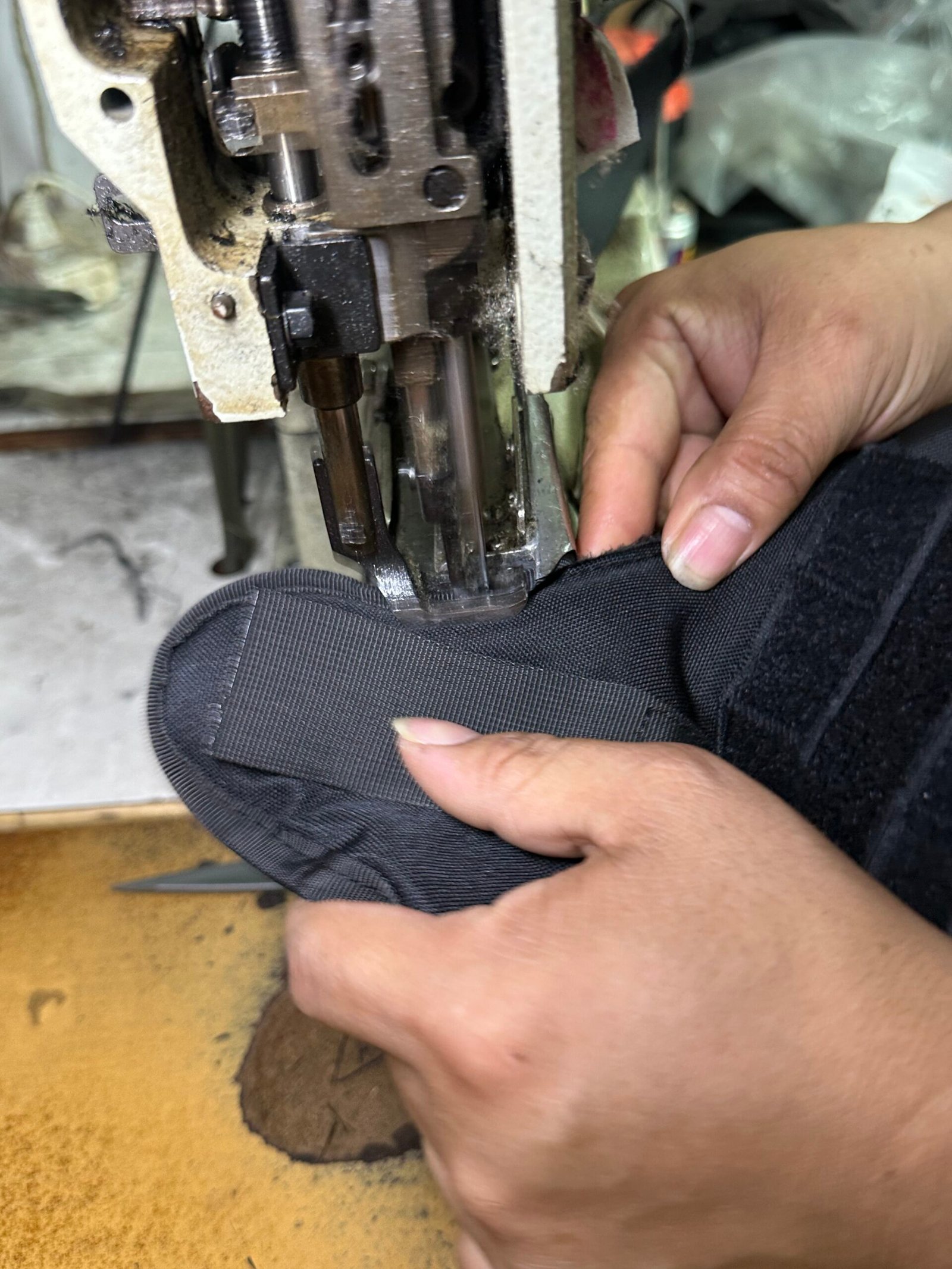
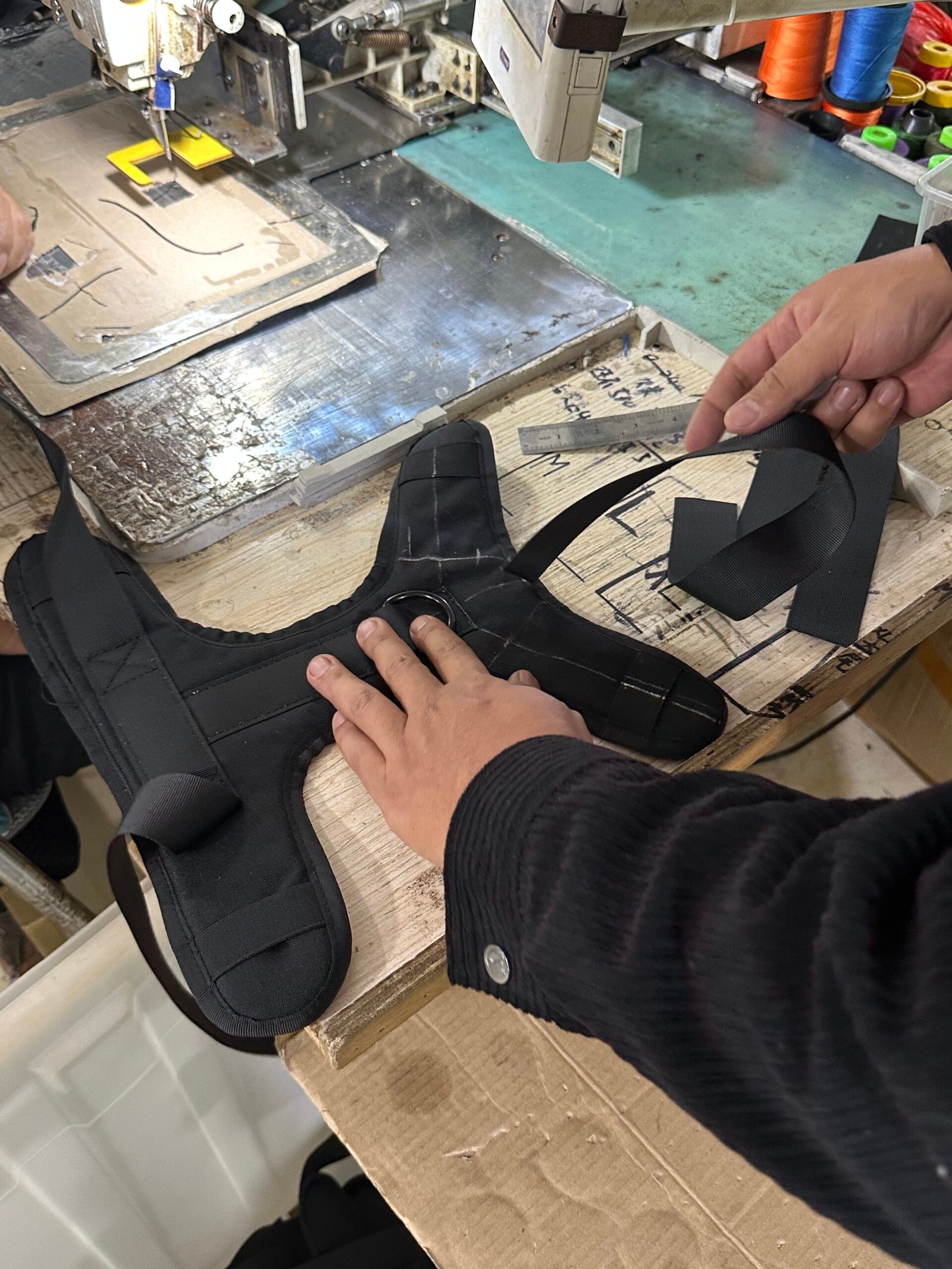
If your project has a special quality concern, do not wait until the sample is made. Say it in the RFQ. For tactical gear, small construction details can affect the final product: seam strength, bartack placement, edge binding, MOLLE spacing, buckle strength, zipper direction, elastic tension, padding thickness, or handle reinforcement.
For K9 gear, fit and control points matter. For medical pouches, internal elastic layout and access speed matter. For plate carriers and tactical vests, MOLLE layout, shoulder/waist adjustment, reinforcement, and hardware selection should be discussed early.
7. A Simple RFQ Template You Can Use
Here is a practical structure buyers can use for any tactical gear quote request:
Product: [plate carrier / tactical backpack / MOLLE pouch / IFAK pouch / K9 harness]
Reference: [photos, sample, drawing, tech pack, or product link]
Quantity: [estimated first order quantity or range]
Customization: [size, material, color, MOLLE layout, logo, label, packaging]
Destination: [country or region]
Sample need: [yes/no, target sample date if any]
Timeline: [expected launch, delivery window, or flexible]
Quality focus: [stitching, material, hardware, fit, packing, compliance, or other concerns]
What PANOAR Reviews After Receiving an RFQ
When PANOAR receives an OEM or private label tactical gear RFQ, the factory team reviews the product category, estimated quantity, customization direction, material and hardware options, sampling needs, packing requirements, and whether the project fits PANOAR’s tactical gear production capability.
For early-stage projects, buyers can still send reference photos, a drawing, or a written idea. The first review helps identify what information is enough for quoting and what details should be confirmed before sampling.
Related Buyer Resources
- Request a Custom Tactical Gear Quote
- OEM/ODM Tactical Gear Manufacturing
- MOQ, Sample and Lead Time Guide
- Custom Materials and Hardware Options
- Tactical Gear Manufacturer
- China Tactical Gear Factory Tour
Prepare Your OEM Project for Review
Send product photos, drawings, dimensions, material direction, logo or packaging requirements, estimated quantity, destination country, and sample needs. PANOAR will review the project and help confirm the next practical step.
Submit an RFQ View OEM/ODM Services