
How to Organize Tactical Backpack Systems for Field Efficiency and B2B Procurement
Learn how to organize tactical backpack systems for field use, sourcing efficiency, customization, and smarter B2B buying decisions.

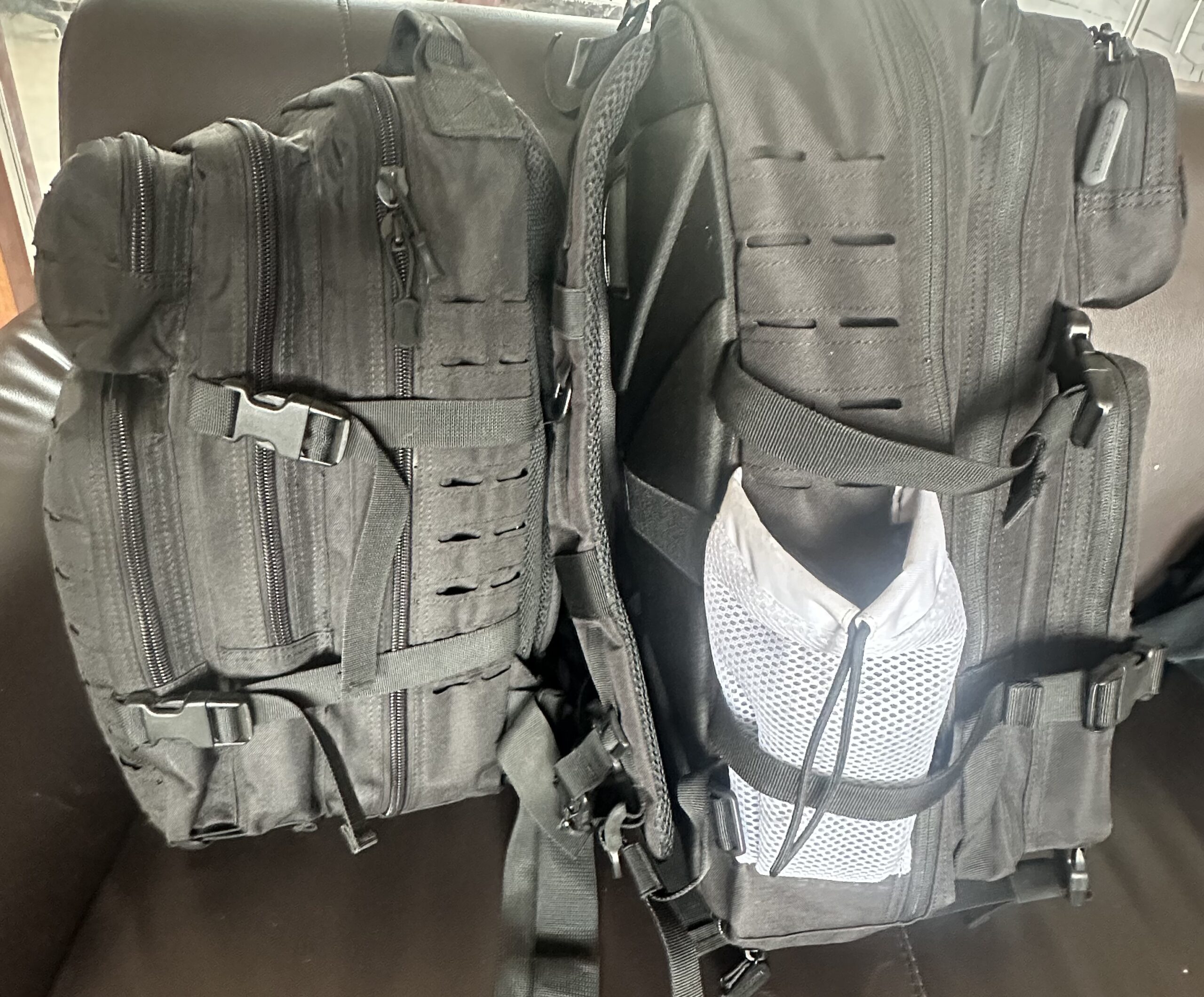
How to Organize Tactical Backpack Systems for Field Efficiency and B2B Procurement
For professional buyers, learning how to organize tactical backpack systems is not only an end-user topic. It directly affects product design, SKU planning, accessory attachment logic, and after-sales satisfaction. A tactical backpack that is poorly organized in the field slows access, creates weight imbalance, and reduces usable carrying capacity. A tactical backpack that is well organized supports faster deployment, cleaner load management, and more consistent user feedback across law-enforcement, military, outdoor, and working-dog applications.
For importers, wholesalers, and tactical brand owners, organization should be evaluated at both the user level and the manufacturing level. Pocket layout, MOLLE grid spacing, internal hook-and-loop panels, hydration routing, zipper direction, and fabric weight all influence how efficiently the load can be built, carried, and replenished. That is why many buyers prefer to work with a source factory that understands not just sewing execution, but also practical loadout logic. Panoar, as an OEM/ODM tactical gear manufacturer in China, regularly supplies tactical packs, MOLLE pouches, K9 tactical gear, and related accessories, with flexible MOQ customization and 1000D nylon options for heavy-duty applications.
This guide explains how to think about tactical backpack organization from a B2B perspective: field functionality first, sourcing discipline second, and scalable manufacturing decisions throughout.
Start with Load Zoning, Not Just Storage Volume
The most effective tactical backpack layouts are built around load zones. Buyers should assess organization by asking where each item sits, how often it is accessed, and whether that location creates drag on movement or retrieval. Volume alone is a weak buying metric if the internal and external organization do not support real task flow.
A practical organization framework usually divides the pack into four zones:
- Immediate-access zone: tourniquet, gloves, maps, notebook, flashlight, radio accessories, or items needed without opening the main compartment.
- Rapid-open zone: medical inserts, ammunition support items, electronics kits, or tools that require one zipper action and clear visual recognition.
- Sustainment zone: clothing layers, rations, batteries, or mission support items used less frequently.
- Exterior expansion zone: MOLLE pouches, bottle carriers, IFAK attachments, or mission-specific add-ons.
For procurement teams, this structure matters because it shapes the bill of materials and sewing complexity. More compartments can improve organization, but they also increase labor time, zipper count, seam exposure, and failure points. The right solution is rarely the maximum number of pockets. It is the minimum number of compartments needed to separate functions clearly.
Buyers sourcing for government, police, or tactical retail channels should also distinguish between general-purpose packs and role-specific packs. A patrol backpack, a range bag, and a K9 handler support pack may all use similar external styling, but their internal organization logic should not be identical.
How to Organize Tactical Backpack by Load Zone and Access Priority
The simplest way to organize a tactical backpack correctly is to place the heaviest and densest items close to the back panel and high enough to reduce sag, while keeping high-frequency gear in predictable positions. This improves balance and reduces shoulder fatigue during extended movement.
- Place dense core weight near the spine. Radios, ammunition, metal tools, and water loads should sit close to the back panel rather than at the outer wall of the bag.
- Keep high-use items in repeatable access points. Front admin pockets, top stash pockets, and side-entry compartments are ideal for tools or consumables needed quickly.
- Separate mission gear from sustainment gear. Mixing both categories in one compartment slows access and increases repacking errors.
- Use MOLLE only for true external-access needs. Overloading the exterior with pouches adds bulk, noise, snag risk, and shipping cube inefficiency.
- Maintain left-right balance. Uneven side loading changes carry behavior and can distort pack structure over time.
For brands developing private-label tactical packs, this is where internal organization features create commercial value. Divider sleeves, loop panels for inserts, cable ports, hidden document pockets, and removable organizers can justify stronger pricing when they solve a defined use case. However, they must be selected carefully. Every added feature affects stitching steps, inspection points, and production cost.
A source factory with OEM/ODM experience can help buyers decide which organization features are core and which are unnecessary. That is especially useful when building a product line with entry-level, mid-tier, and heavy-duty variants.
Choose Materials and Construction Based on Use Case, Not Assumptions
Organization performance depends heavily on material and construction choices. If the shell fabric is too light, exterior pouches can pull the pack out of shape. If the pack body is too rigid for the intended application, the bag may carry well when full but perform poorly when lightly loaded. Buyers should compare materials in relation to target market, end-user abuse level, and price band.
| Specification Choice | Typical Advantage | Tradeoff | Best Fit |
|---|---|---|---|
| 1000D nylon | High abrasion resistance, structure retention, strong heavy-duty feel | Higher weight and material cost | Military-style packs, law-enforcement use, rugged OEM programs |
| Lower denier synthetic shell | Lighter carry weight and lower cost | Reduced abrasion margin under hard use | Commercial tactical retail, lighter-duty applications |
| Laser-cut panel platform | Cleaner visual profile and modern modular appearance | Requires careful reinforcement planning | Brand-driven retail lines and streamlined attachment layouts |
| Traditional webbing MOLLE | Familiar attachment interface and proven field acceptance | Higher sewing labor and added surface weight | Institutional buyers, classic tactical configurations |
| Foam-padded back panel with internal frame support | Better load stability and user comfort | More components and more assembly steps | Extended-carry backpacks and premium product tiers |
Panoar can build with 1000D nylon when heavy-duty durability is required. For many B2B buyers, this matters because the fabric choice influences return rates, long-term perceived value, and market positioning. A durable shell also supports better organization because the pack maintains its geometry under load, especially when MOLLE pouches, hydration systems, or K9 support accessories are mounted externally.
Where buyers need military-standard construction details, a Mil-Spec manufacturing mindset is often more useful than generic marketing claims. In practice, this means paying attention to webbing placement consistency, bartack reinforcement points, stress-panel stability, stitch discipline, and hardware selection aligned with operational use.
Balance Customization, MOQ, and SKU Control in the Supply Chain
From a sourcing perspective, tactical backpack organization is also a supply chain decision. Each layout option creates consequences for MOQ, production scheduling, raw material stocking, and carton efficiency. Procurement managers should align customization requests with realistic demand forecasts.
The most common customization variables include:
- Compartment count and internal divider configuration
- MOLLE placement and panel coverage
- Hook-and-loop areas for patches or inserts
- Fabric specification such as 1000D nylon for heavy-duty projects
- Colorways and camouflage variants
- Private-label branding, woven labels, and packaging
- Accessory compatibility with matching pouches or K9 tactical gear
The sourcing challenge is that every added variable can fragment volume. Too many SKU variations may weaken ordering efficiency and increase dead stock risk. Too little customization may make the line commercially interchangeable. The right balance depends on channel strategy.
For wholesalers and importers, a strong starting point is usually one core shell platform with controlled modular variants. For example, the same backpack body can support different front-panel layouts, internal insert sets, or pouch bundles. This protects tooling and material efficiency while still allowing market differentiation.
This is where flexible MOQ customization becomes commercially useful. A factory like Panoar can support buyers who need to validate a tactical pack concept without overcommitting to a large first run. That allows brand owners to test organization formats, attachment systems, or user feedback before scaling into broader assortments.
Buyers should also review packaging and shipping impact. A backpack with aggressive external structure may look premium, but it can reduce packing density and increase logistics cost per unit. Organization design should support both field utility and freight efficiency.
Evaluate Tactical Backpack Designs with a Buyer Decision Checklist
Before approving a tactical backpack program, professional buyers should evaluate samples against operational criteria, not only visual appeal. Good organization should remain clear after repeated loading, unloading, and transport.
Use this checklist during development and sample review:
- Access logic: Can critical items be reached quickly without opening the entire pack?
- Weight distribution: Does the pack stay stable when loaded with realistic mission weight?
- Compartment purpose: Does each pocket have a clear job, or are features added only for appearance?
- Modularity: Are MOLLE fields placed where pouches add function rather than bulk?
- Material match: Is the chosen shell fabric appropriate for the abuse level and price target?
- Manufacturing consistency: Are stitch density, reinforcement points, and zipper runs clean across the sample?
- SKU scalability: Can the design be expanded into a family of related packs and accessories?
Buyers serving institutional or contract channels should also ask whether the pack can be standardized across user groups. Common platforms simplify replenishment orders, training familiarity, and spare accessory compatibility. Buyers serving retail channels should instead focus more on user-facing differentiation, comfort, and visual identity.
In both cases, the best tactical backpack is not necessarily the most complex one. It is the one whose organization supports the user role, the price point, and the sourcing model at the same time.
For that reason, many importers and tactical brands prefer working with a source factory that already produces related categories such as tactical packs, MOLLE pouches, and K9 tactical gear. Cross-category production experience helps align backpack organization with the accessories and attachments that buyers may want to sell alongside it.
Conclusion
Understanding how to organize tactical backpack systems properly means thinking beyond pocket count. The real goal is to create a load plan that improves access, balance, modularity, and sourcing efficiency. For B2B buyers, that means selecting materials that hold structure under load, choosing organization features that match the end user, and controlling SKU complexity so customization does not damage supply chain performance.
Panoar supports this process as a China-based source factory and OEM/ODM tactical gear manufacturer, with regular production across tactical packs, MOLLE pouches, K9 tactical gear, and related accessories. For buyers who need rugged construction, Panoar can produce with 1000D nylon and adapt details to a Mil-Spec-minded build approach, while also offering flexible MOQ customization for product development and commercial launch planning.
FAQ
1. What should procurement teams prioritize first when selecting a tactical backpack layout?
Start with the intended use case, not with volume or appearance. Define what the user must access quickly, what weight must stay close to the back panel, and which accessories need MOLLE compatibility. From there, evaluate whether the compartment structure supports that role without adding unnecessary labor cost.
2. When is 1000D nylon the right material choice for a tactical backpack program?
1000D nylon is the right fit when the pack is expected to face abrasive surfaces, heavy external attachments, or repeated hard-duty use. It is especially suitable for law-enforcement, military-style, and demanding field applications where structure retention and durability matter more than reducing a small amount of carry weight.
3. How can buyers reduce risk when launching a customized tactical backpack line?
Reduce risk by standardizing the core shell, limiting early-stage SKU variation, and using flexible MOQ customization to validate the design before scaling. It also helps to work with a manufacturer that understands OEM/ODM development, accessory compatibility, and disciplined production methods for tactical gear.
Panoar supports OEM/ODM development for Tactical Packs & Bags with 1000D nylon options, flexible MOQ customization, and a Mil-Spec-minded factory workflow.Shop Tactical Packs & Bags