
K9 Tactical Gear OEM Guide for Working-Dog Programs
A B2B guide to tactical gear for outdoor adventures, covering 500D vs 1000D nylon, MOQ, lead time, customization, and factory sourcing.

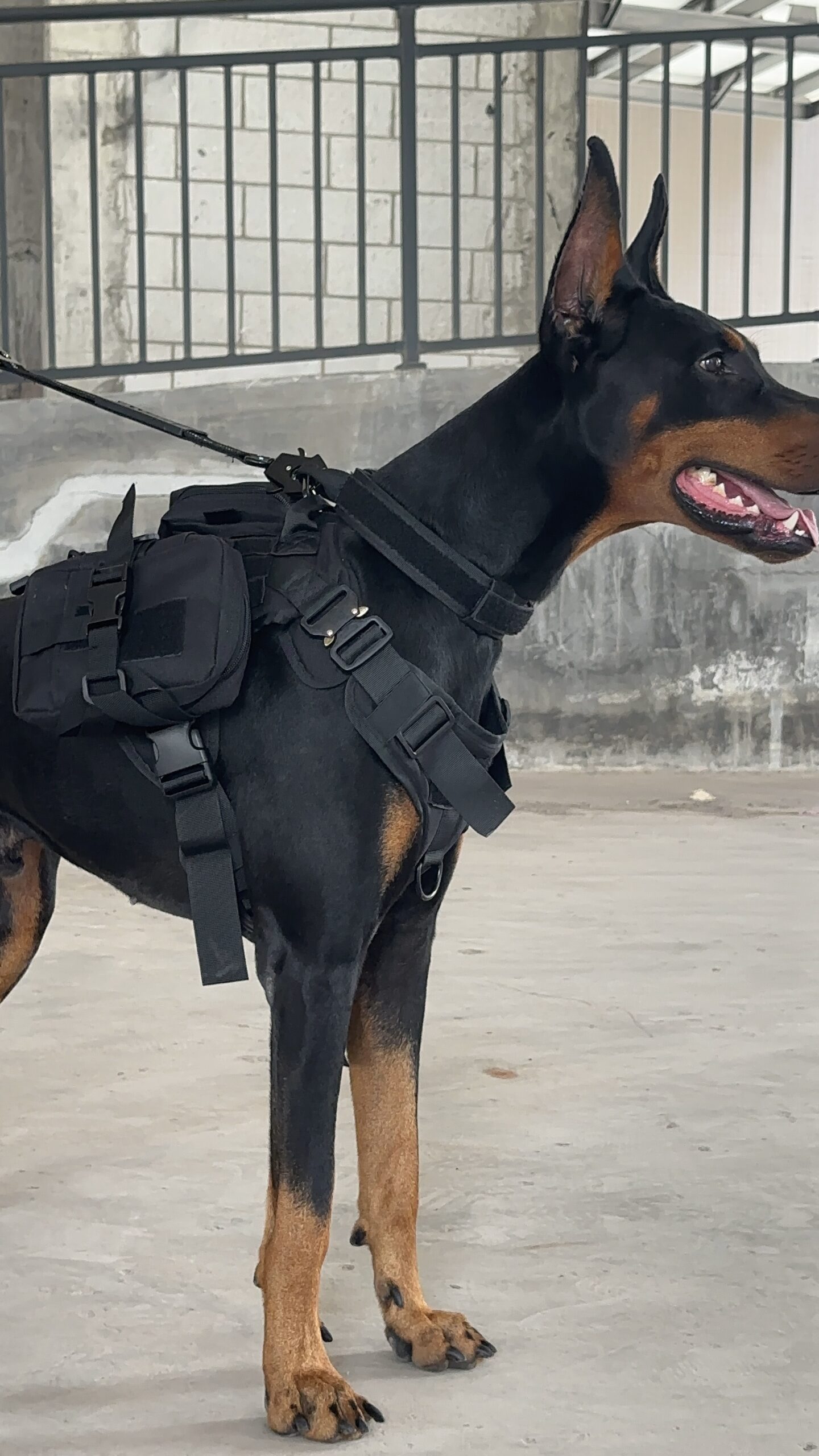
A K9 tactical gear OEM project is easier to quote, sample and approve when the buyer defines the product, fit requirements, hardware, branding, packaging and order plan before development begins. This guide shows B2B buyers what to prepare and what to review without assuming one material, MOQ or production schedule fits every project.
- 01 ScopeDefine the product line, intended use and size coverage.
- 02 SpecifySet structure, material, hardware and branding requirements.
- 03 SampleReview fit, function, appearance and revision records.
- 04 ApproveConfirm the reference, packing and inspection scope before bulk.
For brand owners, importers, distributors and sourcing teams, the first task is not choosing the heaviest fabric or the most complex harness. It is defining what the product must do, how it should fit, which details must remain consistent across sizes and what evidence is needed before approval.
That distinction matters because a collar, leash, harness and tactical dog vest do not share the same fit points, hardware risks or branding surfaces. A useful K9 tactical gear OEM guide should help the buyer build a clear brief, not replace product-specific engineering or testing.
Define the K9 product program before contacting a supplier
Begin with the product range and project maturity. A single harness adapted from a reference sample requires a different development path from a coordinated line of collars, leashes, vests and accessories.
Harnesses and tactical dog vests
Define the size range, adjustment system, strap layout, handles, leash points, padding, patch areas and any modular attachment requirement.
Collars and leash systems
Confirm width, adjustment, buckle or clip direction, handles, connection points, stitching references and the relationship between matching SKUs.
Pouches and accessories
State how an accessory attaches, what it is intended to carry, the required opening method and the product or harness it must work with.
Coordinated private label lines
Align colors, webbing, hardware finishes, patch systems, labels, packaging and SKU identification before developing several products together.
Buyers who are still comparing available product directions can first review the K9 tactical gear product category. Buyers planning a coordinated branded range should also review the private label K9 gear program.
Specifications buyers should prepare for K9 gear development
A supplier cannot confirm a reliable quotation from a product name alone. The brief should separate buyer requirements from details that still need sample review.
| Area | Buyer should define | Review during sampling |
|---|---|---|
| Fit and size range | Measurement method, intended size coverage, adjustment direction and use context. | Strap position, movement, pressure points, adjustment access and repeatability between samples. |
| Product structure | Harness or vest layout, handles, leash points, patch fields, MOLLE areas and accessory interfaces. | Access, balance, stitching, reinforcement direction and hardware placement. |
| Materials | Fabric, webbing, mesh, padding, lining, color and any buyer-required coating or documentation. | Hand feel, weight, color match, edge finishing and compatibility with the intended construction. |
| Hardware | Buckles, D-rings, clips, sliders and adjustment parts, including any named supplier or test requirement. | Operation, location, finish, orientation and the evidence required for approval. |
| Branding | Patch, embroidery, woven label, print, hang tag or packaging artwork. | Size, position, color, readability and interaction with handles, straps or patch fields. |
| Packing | SKU name, size and color labels, barcode, polybag, inserts and carton marks. | Receiving clarity, packing accuracy and consistency for future reorders. |
Do not treat a generic material name as a complete performance specification. If a project requires a particular load, abrasion, colorfastness, hardware or compliance standard, identify the applicable product, test method, acceptance criterion and document required from the supplier.
When OEM or ODM fits a K9 gear project
Choose an OEM path when the product is defined
OEM development is usually appropriate when the buyer has a reference sample, drawing, tech pack, dimensions, bill of materials or a construction requirement that must be followed and reviewed.
- Defined product structure and dimensions.
- Named materials or approved alternatives.
- Controlled branding and packaging details.
- Buyer-defined inspection or documentation requirements.
Choose an ODM path when adapting a base direction
ODM development may fit when the buyer wants to begin with an available product direction and adjust selected details such as color, branding, packaging, material or limited structure features.
- Faster comparison of available structures.
- Clear list of details that may be changed.
- Sample review before confirming the final scope.
- Documented differences from the starting reference.
The distinction is not determined by the logo method alone. Buyers should compare how much of the product is already fixed, who owns each design input and which changes require new pattern work or additional sample rounds. The broader process is explained on the OEM/ODM tactical gear manufacturing page.
Review fit and function during K9 gear sampling
A visually acceptable sample can still leave important questions unresolved. The sample review should follow the approved project brief and record every change that affects fit, construction, branding or packing.
- Confirm the measurement method. Record how the buyer defines the relevant body measurements and how the intended size range should be evaluated.
- Check adjustment and placement. Review strap routes, handles, leash points, buckles, patch areas and accessory interfaces in the intended product context.
- Compare materials and hardware. Check the sample against the agreed references, color direction and any buyer-required documentation.
- Record revisions. Keep photos, measurements and written notes for each approved change so the final reference is unambiguous.
- Approve branding and packing. Confirm labels, patches, artwork, size/color identification, packaging and carton information before bulk instructions are finalized.
This page does not prescribe a universal fit, material or load standard. Those requirements must be defined for the actual product and reviewed against the buyer’s intended use and approval process. For broader use and selection considerations, see the separate K9 tactical gear for working dogs guide.
Evaluate a K9 gear supplier beyond the first sample
Supplier evaluation should focus on information that can be checked for the specific project. Ask for evidence that helps the buyer compare the sample, production instructions and final goods against the same approved reference.
Product evidence
- Relevant product and sample references.
- Material and hardware identification.
- Measurements and construction details.
- Revision and approval records.
Order-control evidence
- Agreed inspection points and acceptance criteria.
- Required test or compliance documents.
- Packaging, labels and carton-mark confirmation.
- Project-specific timing and shipment requirements.
Do not assume that a general certification, material label or supplier statement applies to every K9 product. When documentation matters, the RFQ should identify the exact report, test method, issuing party, product scope and validity information the buyer expects to review.
MOQ, sampling and lead-time factors
MOQ and timing should be reviewed for the actual project. They can change with the product type, material availability, hardware, color, branding method, packaging, number of sizes or SKUs, sample revisions, target quantity and destination requirements.
Instead of relying on a universal number, send the expected quantity and target timing with the product brief. PANOAR can review what is available, identify missing inputs and discuss the next practical step. See MOQ, samples and lead-time planning for the sitewide explanation.
Prepare a useful K9 OEM RFQ
A complete RFQ does not require a finished tech pack, but it should give the supplier enough context to evaluate the product direction and identify the decisions still needed.
- Product type and reference photos, sample, drawing or available specification.
- Intended size range, measurement method and use context.
- Material, hardware, color and construction direction.
- Logo, labels, patches, packaging and carton requirements.
- Target quantity, destination and required timeline.
- Required test, inspection, compliance or documentation standards.
Frequently asked questions
What information should a buyer send for a K9 tactical gear OEM project?
Send the product type, reference photos or sample, intended size range, material and hardware direction, branding and packaging requirements, target quantity, destination, timing requirements and any required testing or documentation.
Can an existing K9 harness or vest be used as a development reference?
Yes. A reference sample or clear photos can help start the review, but the buyer should still identify which dimensions, materials, features and branding details must remain the same or change.
What should be checked during K9 gear sample approval?
Review fit and adjustment, strap and handle placement, leash points, buckle operation, material and color references, stitching, patch or label position, packaging and all recorded revisions.
What determines MOQ and production timing?
MOQ and timing depend on the product, materials, hardware, customization, number of sizes or SKUs, packaging, sample revisions, expected quantity and delivery requirements. They should be confirmed for the actual project.
When should a buyer request product-specific testing or documentation?
Include the requirement in the RFQ before quotation and sampling. Identify the product, test method, acceptance criteria and document required so feasibility, responsibility and timing can be reviewed.
Send your K9 gear project brief
Share the product reference, size and fit direction, materials, hardware, branding, packaging, quantity, destination and timing requirements. PANOAR can review the available information and identify what needs to be clarified before quotation or sampling.